New Study Offers Clues to How Young Neurons May Help the Brain Form Social Memories
A preclinical study led by researchers at Mass General Brigham and the Harvard Stem Cell Institute suggests that immature neurons in the hippocampus may play a key role in distinguishing social memories.

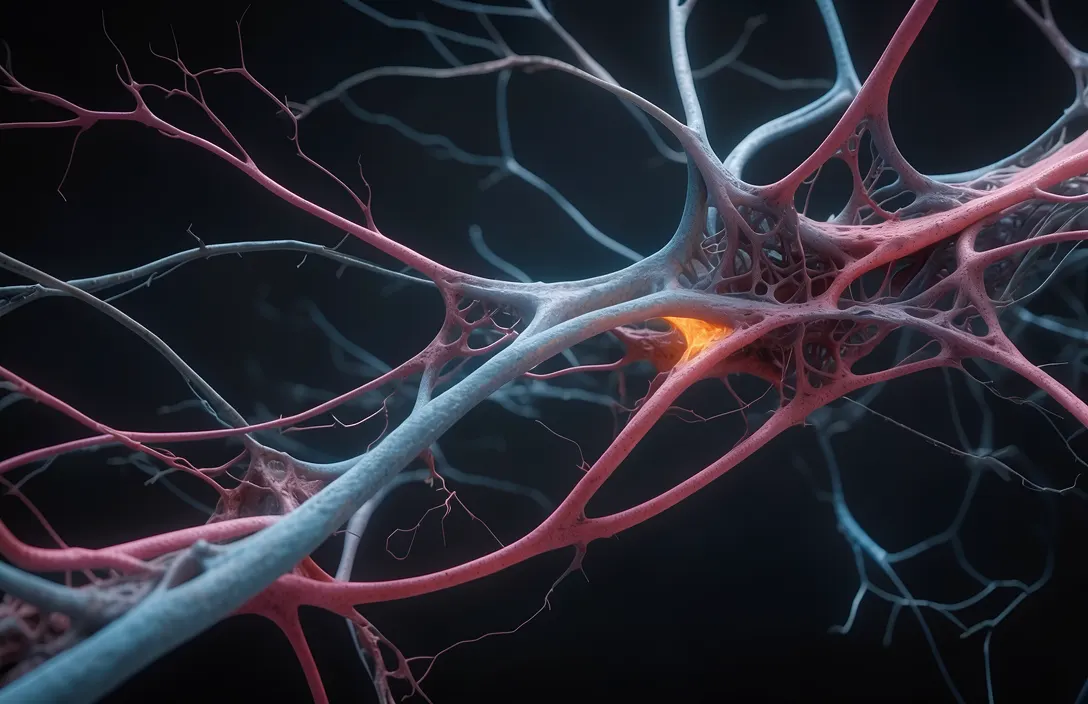
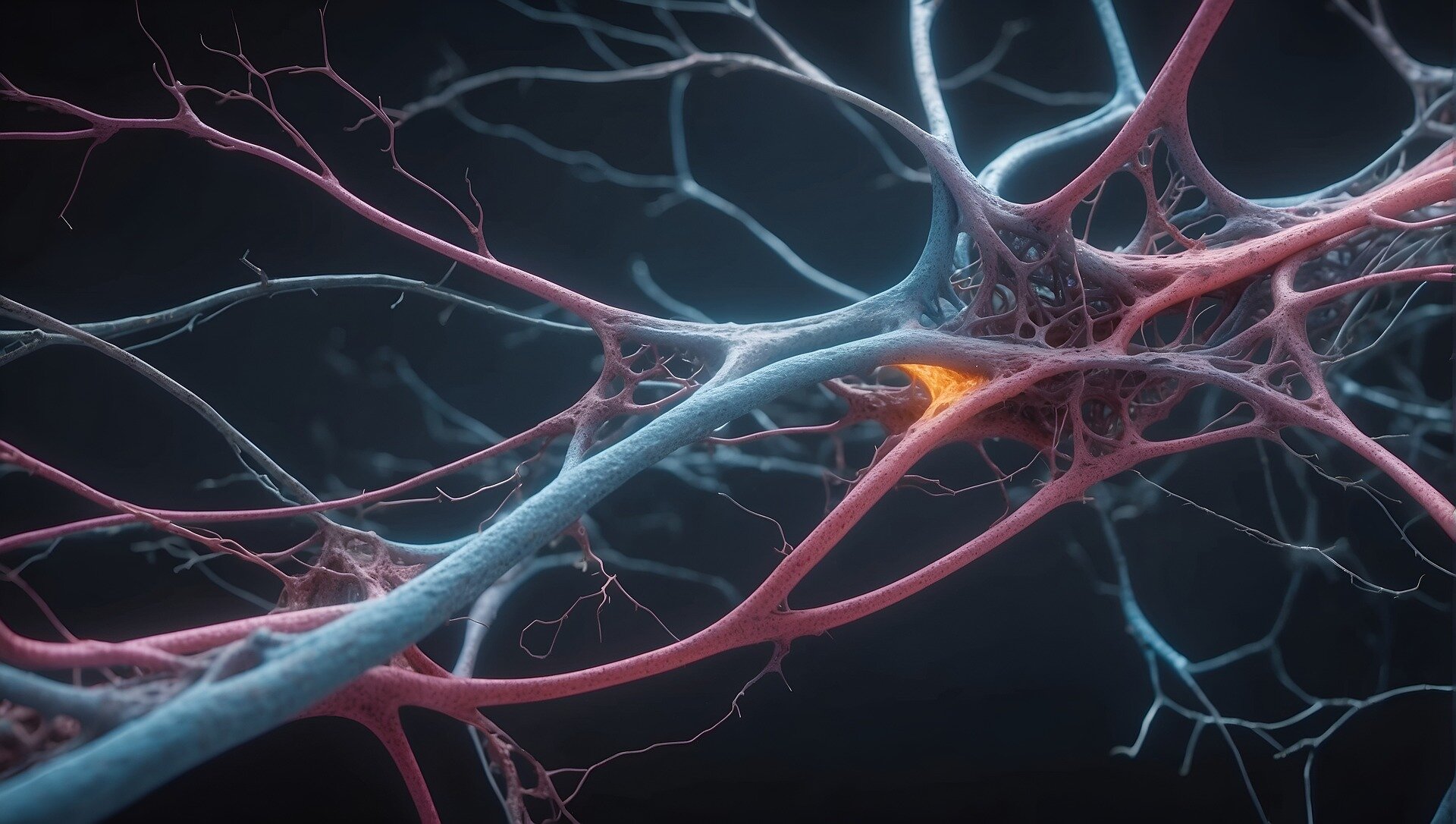
A new preclinical study led by researchers at Mass General Brigham, the Harvard Stem Cell Institute, and the Broad Institute of MIT and Harvard has provided insights into how the brain distinguishes between familiar and unfamiliar social interactions. The study focused on the hippocampus, a brain region critical for learning and memory, and examined the role of immature adult-born neurons. These neurons, which are particularly adaptable, were found to influence brain circuits involved in forming memories (source ID: 1). [1]
Using a genetic approach, the researchers increased the number of immature neurons in a specific group of 4-week-old neurons within the hippocampus of mice. They then tested the animals' ability to distinguish between familiar and unfamiliar mice, even under conditions where previous social interactions could interfere with the formation of new memories. Mice with more immature neurons demonstrated a greater ability to distinguish familiar from unfamiliar mice under these conditions (source ID: 1). [1]
The study found that immature neurons strengthened inhibitory synaptic transmission in areas of the hippocampus involved in social memory, helping regulate which signals move through the memory circuit. Changes in sharp-wave ripples, which are associated with consolidating recent experiences into longer-lasting memories, were also observed. These findings suggest that the extended immaturity of newly generated neurons may help brain circuits separate competing experiences (source ID: 1). [1]
The study was conducted at Mass General Brigham, the Harvard Stem Cell Institute, and the Broad Institute of MIT and Harvard, focusing on the hippocampus, a brain region critical for learning and memory. The research specifically examined adult-born neurons in the hippocampus, which are initially in an immature state and more adaptable, influencing memory formation circuits. The experiments were carried out in mice, with a particular emphasis on a specific group of immature, 4-week-old neurons in the hippocampus. These neurons were genetically manipulated to increase their numbers, allowing researchers to assess their impact on the mice's ability to distinguish between familiar and unfamiliar mice. [1]
Advertisement
The findings revealed that increasing the number of immature neurons improved the mice’s ability to distinguish between familiar and unfamiliar social partners, even under challenging conditions where previous interactions could interfere with forming new memories. In contrast, increasing the number of older, more mature neurons did not yield the same benefit. The study also observed that immature neurons strengthened inhibitory synaptic transmission in the hippocampus, which plays a role in social memory. This process helps regulate which signals pass through the memory circuit, potentially aiding in the separation of competing experiences. [1]
The research further noted changes in sharp-wave ripples—brief bursts of coordinated brain activity during sleep that are linked to the consolidation of recent experiences into long-term memories. These findings suggest that the prolonged immaturity of newly generated neurons in higher mammals may allow for better separation of competing experiences and more effective memory consolidation. However, the study was conducted in mice, and further research is needed to determine if the same mechanisms apply to the human brain. The study was published in Nature Neuroscience in 2026, with the DOI: 10.1038/s41593-026-02503-w. [1]
A new preclinical study led by researchers at Mass General Brigham, the Harvard Stem Cell Institute, and the Broad Institute of MIT and Harvard has provided insights into how the brain distinguishes between familiar and unfamiliar social interactions. Using a genetic approach, the researchers increased the number of immature neurons in a specific group of 4-week-old neurons within the hippocampus of mice. This study, published in Nature Neuroscience, suggests that immature neurons play a crucial role in strengthening inhibitory synaptic transmission in areas of the hippocampus involved in social memory, helping regulate which signals move through the memory circuit (Source ID: 1). [1]
The study found that mice with more immature neurons were better able to distinguish between familiar and unfamiliar mice under challenging conditions, such as when a previous social interaction could interfere with the formation of a newer memory. Increasing the number of older, more mature neurons did not produce the same benefit. These findings indicate that immature neurons contribute to the brain's ability to regulate signals in memory circuits, which is essential for distinguishing social memories (Source ID: 1). [1]
Advertisement
The researchers also observed changes in sharp-wave ripples, brief bursts of coordinated brain activity during sleep associated with consolidating recent experiences into longer-lasting memories. The findings suggest that the extended immaturity of newly generated neurons may help brain circuits separate competing experiences and consolidate distinct memories. However, because the experiments were conducted in mice, additional research is needed to determine whether the same mechanism operates in the human brain (Source ID: 1). [1]
Sources
Prepared with AI assistance from the cited sources.
The Cali Reporter newsletter
The stories worth your time.
California, the country, and what comes next. Join our free newsletter for reporting that keeps you informed.
More in Health & Medicine
- Understanding Fascia and the Evidence Behind Fascia Release
Fascia is a connective tissue that plays a structural role in the human body, but evidence supporting specific exercises or tools for 'fascia release' remains limited.
- Antidepressant Effectiveness and Long-Term Use
A new review suggests that some antidepressants may be more effective than others in helping people manage depression symptoms over the long term, according to a study published in The Lancet Psychiatry.
- Experimental Weight-Loss Drug Shows Promise for Knee Osteoarthritis Pain
A new study suggests that an experimental weight-loss drug, retatrutide, may significantly reduce knee pain in people with osteoarthritis and obesity.