New Study Challenges Longstanding Hypothesis About Mutation Rates in Essential Genes
A recent study from the University of Bath has cast doubt on a 50-year-old hypothesis suggesting that essential genes are less likely to mutate due to natural selection. The findings, published in PLOS Biology,…

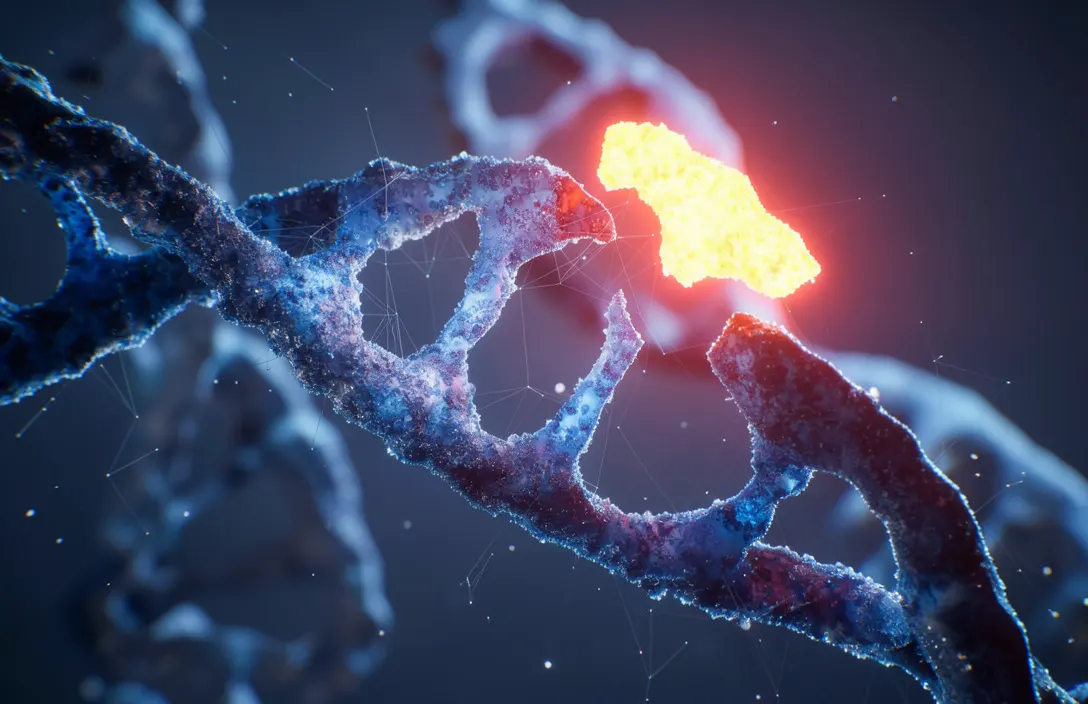
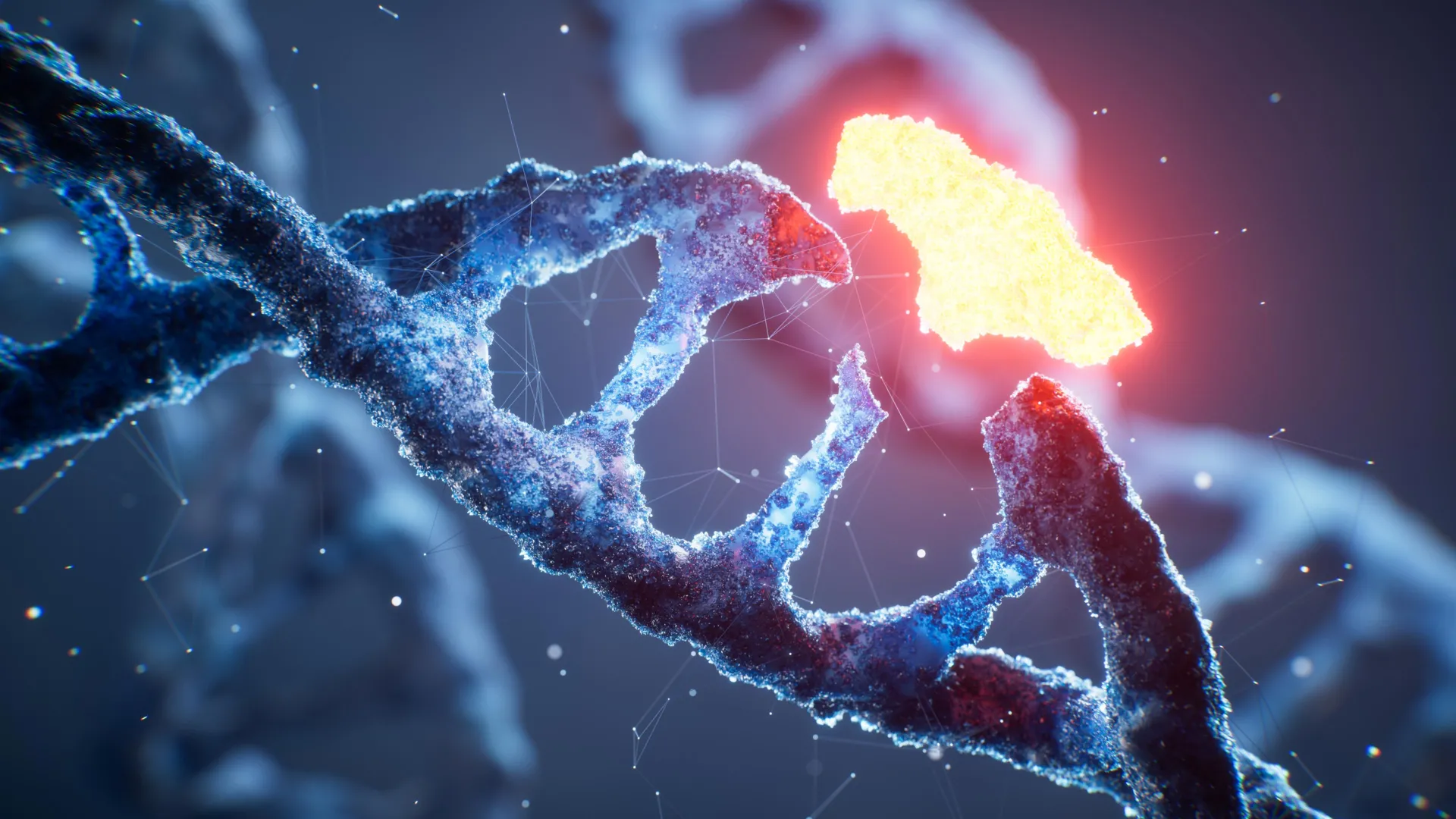
A study published in PLOS Biology by researchers from the University of Bath has challenged the hypothesis that essential genes are less likely to mutate due to natural selection. The research, led by Dr. Sofia Radrizzani and Professor Laurence D Hurst, examined the largest collection of spontaneous genetic mutations to date in two microorganisms: Escherichia coli (E. coli) and Saccharomyces cerevisiae (baker's yeast). The findings suggest that the evidence supporting the idea that natural selection can reduce mutation rates in essential genes has been misleading (source ID: 1). [1]
The conventional model of evolution involves genetic mutations introducing variation, followed by natural selection favoring traits that improve survival and reproduction. However, an alternative hypothesis proposed in 1972 suggests that mutations may not occur randomly and that organisms might protect essential genes from mutations. The study, however, found no evidence supporting this hypothesis, with researchers stating that the claim that mutation rates are lower in important genes is 'a triumph of hype over substance' (source ID: 1). [1]
The researchers addressed the issue of how scientists have measured mutations in earlier studies. They noted that important genes may appear to mutate less frequently not because they are better protected, but because harmful mutations in these genes are quickly eliminated by natural selection. This creates the illusion that important genes have fewer mutations when, in reality, some mutations have simply disappeared before they can be analyzed (source ID: 1). [1]
To investigate the question more directly, the University of Bath team analyzed data from mutation accumulation studies, which allowed them to examine genetic changes in E. coli and baker's yeast without the usual strong filtering effects of natural selection. The researchers found no evidence that essential genes have lower mutation rates, concluding that the differences in mutation rates are influenced by factors such as genome structure and DNA replication, but not by a system specifically shielding essential genes (source ID: 1). [1]
Advertisement
A study published in PLOS Biology by researchers from the University of Bath has challenged the hypothesis that essential genes are less likely to mutate due to natural selection. The conventional model of evolution involves genetic mutations introducing variation, followed by natural selection favoring traits that improve survival and reproduction. The researchers addressed the issue of how scientists have measured mutations in earlier studies. To investigate the question more directly, the University of Bath team analyzed data from mutation accumulation studies, which allowed them to examine genetic changes in E. coli and baker's yeast without the usual strong filtering effects of selection (source ID 1). [1]
The researchers examined the largest collection of spontaneous genetic mutations assembled to date, focusing on two microorganisms: the bacterium Escherichia coli (E. coli) and the single-celled fungus baker's yeast (Saccharomyces cerevisiae). Their analysis found no evidence that natural selection reduces mutation rates in genes essential for survival. The findings challenge the claim that natural selection can reduce mutation rates in genes essential for survival, undermining the central premise of the hypothesis (source ID 1). [1]
The study highlights a critical issue in how scientists have measured mutations in earlier research. Important genes may appear to mutate less frequently not because they are better protected, but because harmful mutations in those genes are quickly eliminated from populations. This can create the illusion that important genes have fewer mutations when, in reality, some mutations have simply disappeared before we have a chance to analyze them (source ID 1). [1]
To investigate the question more directly, the University of Bath team analyzed data from experiments designed to record mutations while minimizing the influence of natural selection. These experiments, known as mutation accumulation studies, allowed researchers to examine genetic changes in E. coli and baker's yeast without the usual strong filtering effects of selection. The scientists also performed three independent tests to determine whether natural selection might still have significantly distorted the data. None revealed evidence of substantial bias (source ID 1). [1]
Advertisement
A study published in PLOS Biology by researchers from the University of Bath has challenged the hypothesis that essential genes are less likely to mutate due to natural selection. The researchers examined the largest collection of spontaneous genetic mutations assembled to date, focusing on two microorganisms: the bacterium Escherichia coli (E. coli) and the single-celled fungus baker's yeast (Saccharomyces cerevisiae). The findings challenge the claim that natural selection can reduce mutation rates in genes essential for survival (1). [1]
The study highlights a critical issue in how scientists have measured mutations in earlier research. Important genes may appear to mutate less frequently not because they are better protected, but because harmful mutations in those genes are quickly eliminated from populations. Professor Laurence D Hurst explained that natural selection rapidly removes mutations in more important genes, creating the illusion that essential genes have fewer mutations when, in reality, some mutations have simply disappeared before analysis (1). [1]
To investigate the question more directly, the University of Bath team analyzed data from experiments designed to record mutations while minimizing the influence of natural selection. These experiments, known as mutation accumulation studies, allowed researchers to examine genetic changes in E. coli and baker's yeast without the usual strong filtering effects of selection. The scientists also performed three independent tests to determine whether natural selection might still have significantly distorted the data. None revealed evidence of substantial bias (1). [1]
The researchers found no relationship between the importance of genes for survival and their mutation rates in either microorganism. Professor Hurst said: "Analyze the data any which way and we found nothing. In neither species did these key genes have a lower mutation rate." The study provides new support for the conventional distinction between mutation and natural selection, indicating that mutation rates vary across the genome but do not appear to reflect a system that specifically shields essential genes from genetic changes (1). [1]
Advertisement
A study published in PLOS Biology by researchers from the University of Bath has challenged the hypothesis that essential genes are less likely to mutate due to natural selection. The conventional model of evolution involves genetic mutations introducing variation, followed by natural selection favoring traits that improve survival and reproduction (source ID 1). The researchers addressed the issue of how scientists have measured mutations in earlier studies. To investigate the question more directly, the University of Bath team analyzed data from mutation accumulation studies, which allowed them to examine genetic changes in E. [1]
The study highlights a critical issue in how scientists have measured mutations in earlier research. To investigate the question more directly, the University of Bath team analyzed data from experiments designed to record mutations while minimizing the influence of natural selection (source ID 1). The researchers examined the largest collection of spontaneous genetic mutations assembled to date, focusing on two microorganisms: the bacterium Escherichia coli (E. coli) and the single-celled fungus baker's yeast (Saccharomyces cerevisiae). [1]
The researchers found no relationship between the importance of genes for survival and their mutation rates in either microorganism (source ID 1). This finding challenges the claim that natural selection can reduce mutation rates in genes essential for survival. Although this theory has repeatedly attracted scientific attention since its introduction, including a renewed debate in 2023, the researchers say their results undermine its central premise. [1]
Sources
Prepared with AI assistance from the cited sources.
The Cali Reporter newsletter
The stories worth your time.
California, the country, and what comes next. Join our free newsletter for reporting that keeps you informed.
More in Science
- Volcanic Eruption Reshapes Iwo Jima’s Coastline
A recent volcanic eruption near Iwo Jima has temporarily extended the island's black sand beaches, though the longevity of the new land remains uncertain.
- Galaxies in the NGC 7771 Group Engage in Cosmic Merger
Astronomers have observed a group of galaxies in the NGC 7771 Group, which is located approximately 200 million light-years away in the constellation Pegasus. These galaxies are in the process of merging, a phenomenon…
- NASA Awards Contract for NOAA’s Near Earth Orbit Network Program
NASA has awarded a contract to Northrop Grumman Systems Corporation for the Sounder for Microwave-Based Applications (SMBA) instruments on NOAA’s Near Earth Orbit Network (NEON) satellites. The contract includes a…