New Protocol Finds Ways to Relieve Overcrowding at Hospital Emergency Departments
A study published in Decision Sciences explores a new protocol that can reduce the length of stay for patients in emergency departments by improving hospital-wide coordination.

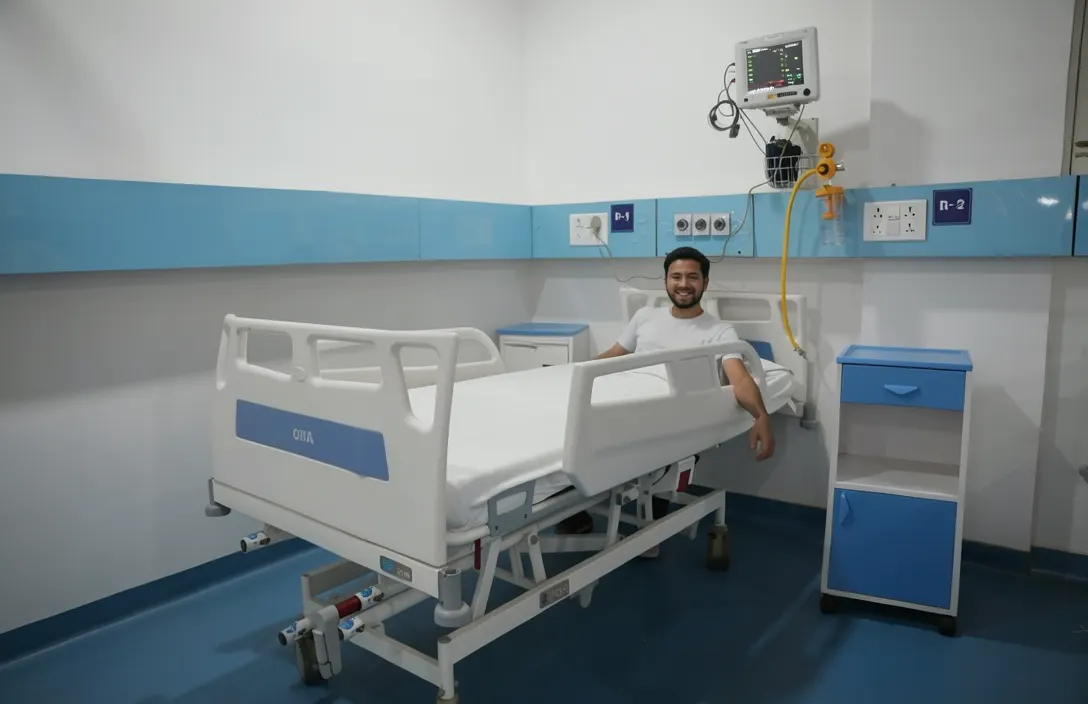

According to the CDC, an average of 155 million visits to an emergency department occur in the United States every year, with over a million patients spending at least 24 hours at the ED. This has led to an epidemic of overcrowding, as noted in a study by Suman Mallik, B. Allen and Dorothy V. Lay professor at the University of Kansas School of Business. The research, titled 'The operational effectiveness of a full capacity protocol to ease crowding at an emergency department,' examines the efficiency of the full-capacity protocol (FCP), a set of temporary hospital-wide guidelines that seek to alleviate crowding at the ED. The study found that the FCP is effective in reducing the patient length of stay by 6.23% when activated (Source ID: 1). [1]
The research analyzed 75,000 observations of individual patients and found that the average length of stay in the ED was 300 minutes (five hours). Mallik explained that hospital overcrowding is measured by several factors, including waiting time before a patient is taken inside and the total time it takes. He noted that emergency room doctors have highlighted that delays often occur due to the lack of coordination in admitting patients to inpatient floors after treatment. This after-treatment time is identified as the biggest problem in the process (Source ID: 1). [1]
The proposed solution involves streamlining key mundane tasks, such as moving patients out of the emergency room as soon as approval is granted by the attending physician. This allows the patient to wait on the inpatient floor, making more beds available in the ED. Additionally, the study suggests assigning a dedicated transporter to the ED during full capacity. Mallik emphasized that the solution does not require additional hiring but rather more coordination of existing employees (Source ID: 1). [1]
According to the CDC, an average of 155 million visits to an emergency department occur in the United States every year, with over a million patients spending at least 24 hours at the ED. The research analyzed 75,000 observations of individual patients and found that the average length of stay in the ED was 300 minutes (five hours). The study, conducted by Suman Mallik, B. Allen and Dorothy V. Lay professor at the University of Kansas School of Business, along with Mazhar Arikan and Lu Wang, examined the efficiency of the full-capacity protocol (FCP). This protocol is a set of temporary hospital-wide guidelines aimed at alleviating crowding at the ED (source ID 1). [1]
Advertisement
The research finds that the FCP is effective in reducing the patient length of stay by 6.23% when activated. Mallik explained that hospital overcrowding is measured by several factors, including waiting time before a patient is taken inside and the total time it takes for a patient to be discharged or admitted. He noted that the biggest problem is not the treatment process itself but the coordination needed after treatment is complete (source ID 1). [1]
The proposed solution involves streamlining key mundane tasks, such as moving patients out of the emergency room as soon as approval is granted by the attending physician. Mallik emphasized that the solution does not require additional hires but rather more coordination of existing employees. He suggested that a display board, such as an LCD screen, could track the availability of inpatient beds in real time, helping ED physicians make informed decisions (source ID 1). [1]
According to a study published in Decision Sciences, the full-capacity protocol (FCP) has been found to reduce the average length of stay in the emergency department by 6.23% when activated (source ID: 1). The research, which analyzed 75,000 observations of individual patients, revealed that the average length of stay in the ED was 300 minutes (five hours). The study was conducted by Suman Mallik, Mazhar Arikan, and Lu Wang, who examined the operational effectiveness of the FCP in alleviating overcrowding at the ED. [1]
The study found that the primary cause of long delays in the ED is not the treatment process itself but the inefficiencies in the after-treatment phase (source ID: 1). Emergency room doctors noted that delays often occur due to the lack of coordination with other parts of the hospital, such as finding an empty bed for admitted patients. This phase involves significant time spent waiting for resources like beds, nurse staff, and equipment from other hospital units. [1]
Advertisement
The proposed solution to these inefficiencies involves streamlining key mundane tasks, such as moving patients out of the emergency room as soon as approval is granted by the attending physician (source ID: 1). This ensures that patients are moved to the inpatient floor promptly, making more beds available in the ED. Additionally, the study suggests assigning a dedicated transporter to the ED during full-capacity situations to improve the coordination of moving patients. [1]
According to a study published in Decision Sciences, the full-capacity protocol (FCP) has been found to reduce the average length of stay in the emergency department by 6.23% when activated (source ID: 1). The research, which analyzed 75,000 observations of individual patients, found that the average length of stay in the ED was 300 minutes (five hours) (source ID: 1). This study highlights the inefficiencies in the after-treatment phase as a primary cause of long delays in the ED (source ID: 1). [1]
The study, led by Suman Mallik, B. Allen and Dorothy V. Lay professor at the University of Kansas School of Business, examined the operational effectiveness of the FCP, which is a set of temporary hospital-wide guidelines aimed at alleviating crowding at the ED (source ID: 1). Mallik's research found that the primary cause of long delays in the ED is not the treatment process itself but the inefficiencies in the after-treatment phase (source ID: 1). [1]
The proposed solution to these inefficiencies involves streamlining key mundane tasks, such as moving patients out of the emergency room as soon as approval is granted by the attending physician (source ID: 1). Mallik noted that the solution does not require additional hiring but rather more coordination of existing employees (source ID: 1). [1]
Advertisement
The Cali Reporter newsletter
The stories worth your time.
California, the country, and what comes next. Join our free newsletter for reporting that keeps you informed.
More in Health & Medicine
- Understanding Fascia and the Evidence Behind Fascia Release
Fascia is a connective tissue that plays a structural role in the human body, but evidence supporting specific exercises or tools for 'fascia release' remains limited.
- Antidepressant Effectiveness and Long-Term Use
A new review suggests that some antidepressants may be more effective than others in helping people manage depression symptoms over the long term, according to a study published in The Lancet Psychiatry.
- Experimental Weight-Loss Drug Shows Promise for Knee Osteoarthritis Pain
A new study suggests that an experimental weight-loss drug, retatrutide, may significantly reduce knee pain in people with osteoarthritis and obesity.