New Protein Discovery Offers Hope for Alzheimer's Treatment
A recent study has identified a protein that may help protect the brain against Alzheimer's disease by reducing toxic tau tangles and preserving neural connections.

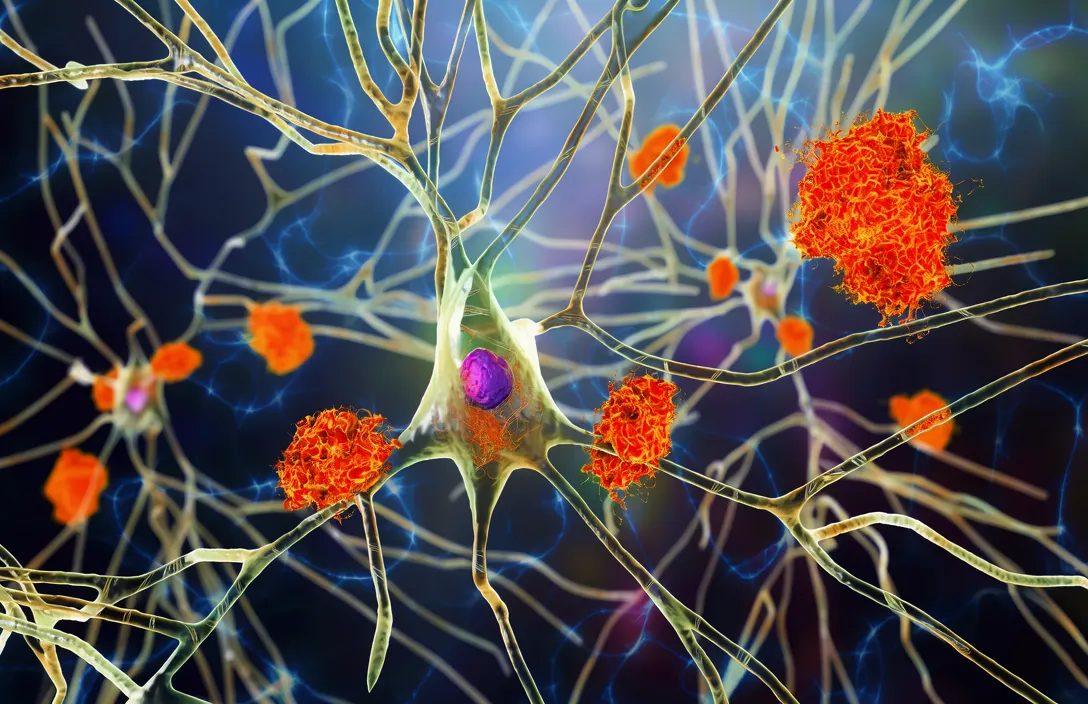
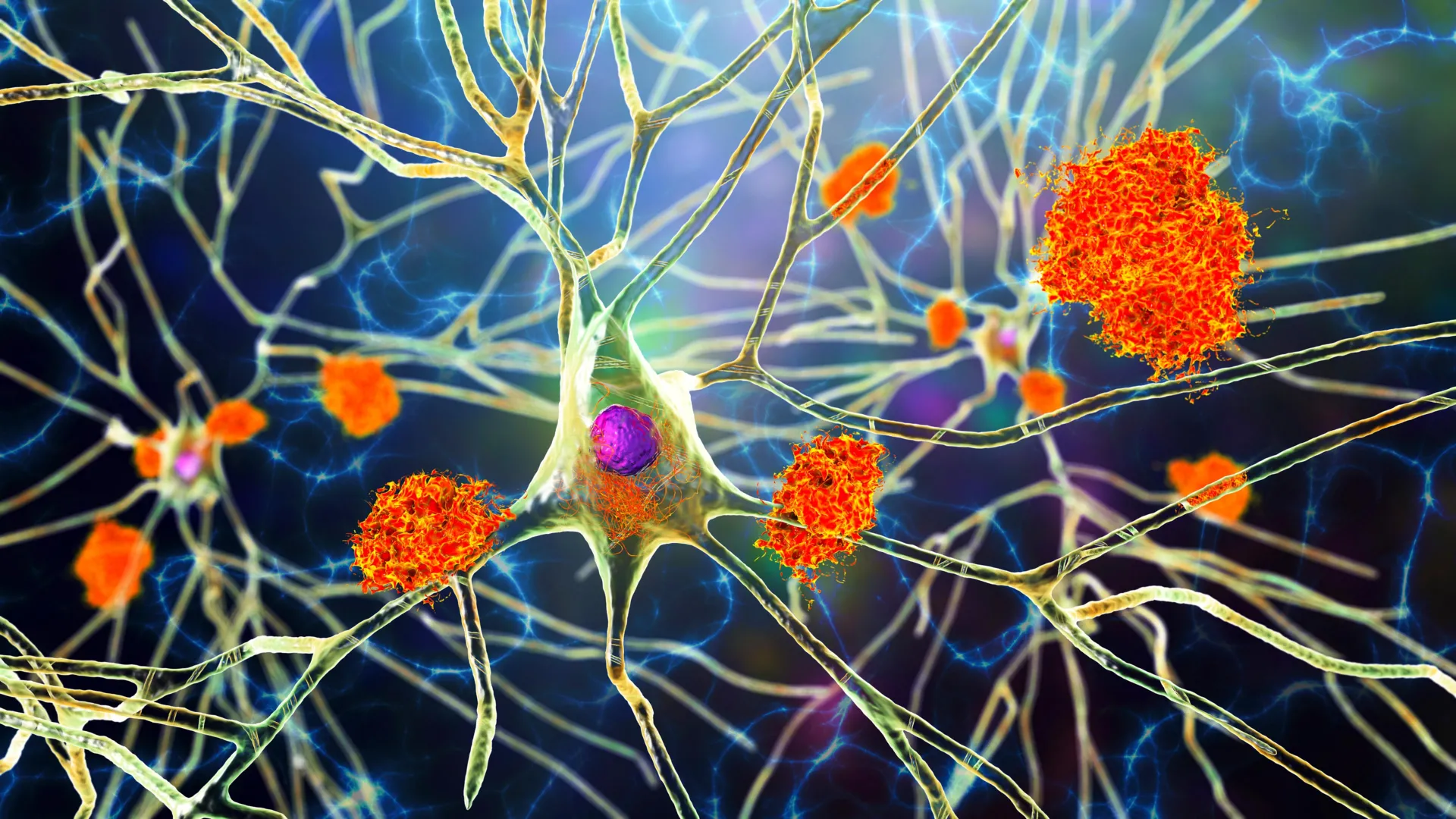
Researchers have discovered that increasing levels of the protein SORLA may help reduce the buildup of toxic tau tangles associated with Alzheimer's disease and other forms of dementia. The findings, published in Science Advances by scientists at Sanford Burnham Prebys, suggest that strengthening the brain's own protective mechanisms could lead to new treatments for neurodegenerative diseases. In experiments with mice, the researchers found that boosting SORLA levels reduced several damaging changes associated with Alzheimer's, including brain shrinkage and the accumulation of abnormal tau proteins (1). [1]
SORLA has previously been studied for its potential role in protecting the brain against Alzheimer's disease by limiting the production and accumulation of amyloid-beta, another protein associated with the disease. However, little was known about whether SORLA affected the formation of tau tangles. To investigate this, scientists developed a mouse model by breeding animals engineered to produce additional human SORLA with mice that develop tau tangles, brain atrophy, and cognitive impairments (1). [1]
The results revealed that additional SORLA provided protection against several processes that contribute to tau tangles and the progression of neurodegenerative disease. Higher SORLA levels reduced hyperphosphorylation, a process that alters tau proteins and contributes to harmful tangles. The protein also limited the ability of misfolded tau to act as 'seeds' that encourage other tau proteins to clump together. Additionally, SORLA helped preserve synapses and synaptic plasticity, which is essential for learning, memory, and normal cognitive function (1). [1]
The researchers also examined the consequences of the absence of SORLA, finding that the absence of the protein made the harmful effects of tau-related damage more severe. This contrasted sharply with the protective effects observed when SORLA levels were increased, providing further evidence that SORLA plays an important protective role in the brain and may influence how severely tau-related diseases progress (1). [1]
Advertisement
Researchers have discovered that increasing levels of the protein SORLA may help reduce the buildup of toxic tau tangles associated with Alzheimer's disease and other forms of dementia (Source ID: 1). The findings, published in Science Advances by scientists at Sanford Burnham Prebys, suggest that strengthening the brain's own protective mechanisms could eventually lead to new treatments for neurodegenerative diseases. In experiments with mice, the researchers found that boosting the protein reduced several damaging changes associated with Alzheimer's, including brain shrinkage and the accumulation of abnormal tau proteins. [1]
The discovery is particularly significant because tau plays an essential role in keeping healthy brain cells functioning (Source ID: 1). Under normal conditions, tau proteins help stabilize microtubules, tiny structures that provide internal support to neurons and help maintain the intricate networks of the nervous system. In Alzheimer's and several related disorders, however, tau proteins can become abnormal and stick together, forming harmful clumps known as tau tangles. These tangles disrupt the normal functioning of nerve cells and are associated with cognitive decline and neuronal death. [1]
The researchers investigated a protein called sorting-related receptor with A-type repeats (SORLA), which has already attracted scientific attention for its potential role in protecting the brain against Alzheimer's disease (Source ID: 1). Previous studies have shown that SORLA can help limit the production and accumulation of amyloid-beta, another protein closely associated with Alzheimer's. Amyloid-beta can build up into plaques in the brain, making it one of the disease's major pathological hallmarks alongside tau tangles. [1]
Researchers have discovered that increasing levels of the protein SORLA may help reduce the buildup of toxic tau tangles associated with Alzheimer's disease and other forms of dementia (Source ID: 1). The discovery is particularly significant because tau plays an essential role in keeping healthy brain cells functioning (Source ID: 1). The researchers investigated a protein called sorting-related receptor with A-type repeats (SORLA), which has already attracted scientific attention for its potential role in protecting the brain against Alzheimer's disease (Source ID: 1). [1]
Advertisement
Previous studies have shown that SORLA can help limit the production and accumulation of amyloid-beta, another protein closely associated with Alzheimer's (Source ID: 1). Amyloid-beta can build up into plaques in the brain, making it one of the disease's major pathological hallmarks alongside tau tangles (Source ID: 1). The findings, published in Science Advances by scientists at Sanford Burnham Prebys, suggest that strengthening the brain's own protective mechanisms could eventually lead to new treatments for neurodegenerative diseases (Source ID: 1). [1]
In experiments with mice, the researchers found that boosting the protein reduced several damaging changes associated with Alzheimer's, including brain shrinkage and the accumulation of abnormal tau proteins (Source ID: 1). The results revealed that additional SORLA provided protection against several processes that contribute to tau tangles and the progression of neurodegenerative disease (Source ID: 1). One important effect involved a process called hyperphosphorylation, which occurs when too many phosphate groups attach to tau proteins, altering their behavior and contributing to the development of harmful tangles (Source ID: 1). [1]
Sources
Prepared with AI assistance from the cited sources.
The Cali Reporter newsletter
The stories worth your time.
California, the country, and what comes next. Join our free newsletter for reporting that keeps you informed.
More in Science
- Volcanic Eruption Reshapes Iwo Jima’s Coastline
A recent volcanic eruption near Iwo Jima has temporarily extended the island's black sand beaches, though the longevity of the new land remains uncertain.
- Galaxies in the NGC 7771 Group Engage in Cosmic Merger
Astronomers have observed a group of galaxies in the NGC 7771 Group, which is located approximately 200 million light-years away in the constellation Pegasus. These galaxies are in the process of merging, a phenomenon…
- NASA Awards Contract for NOAA’s Near Earth Orbit Network Program
NASA has awarded a contract to Northrop Grumman Systems Corporation for the Sounder for Microwave-Based Applications (SMBA) instruments on NOAA’s Near Earth Orbit Network (NEON) satellites. The contract includes a…