New National Policy for Organ Retrieval Sparks Ethical Debate
A new national policy has been implemented to address concerns surrounding a controversial organ retrieval method, but critics argue it fails to resolve key ethical issues.

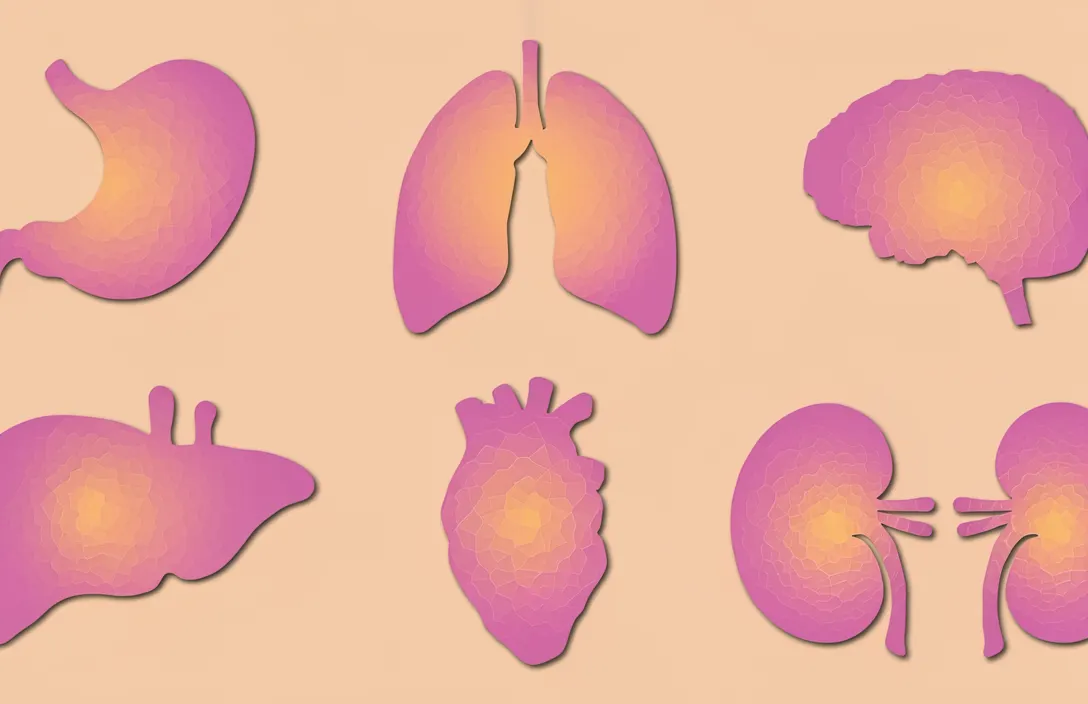

A new national policy has been approved for the use of normothermic regional perfusion (NRP), a procedure that allows doctors to maintain blood flow to organs after a patient has been declared dead. This technique, which involves using an external pump to restore circulation to the heart, lungs, kidneys, and other organs, is intended to improve the quality and quantity of available organs for transplantation. According to Dr. Raymond Lynch, director of transplantation at the Health Resources & Services Administration (HRSA), the procedure aims to address the chronic organ shortage in the U.S., where more than 109,000 Americans are waiting for a transplant and about 12 die daily due to the shortage (source ID 1). [1]
Critics of the policy argue that NRP violates the Dead Donor Rule, which mandates that organs can only be retrieved from patients who are dead due to brain death or circulatory death. The procedure, which restarts circulation, raises concerns that it may reverse the condition upon which a patient has been declared dead. Dr. Lainie Friedman Ross, a University of Rochester bioethicist, notes that the process of restoring circulation contradicts the rule's intent, as it involves reestablishing circulation after a patient has been declared dead (source ID 1). [1]
An additional concern raised by critics is the potential for blood to be reperfused to the brain during NRP. This possibility has been observed in some cases, prompting Dr. Claire Morgan, a transplant surgeon, to express alarm over the ethical implications. The Organ Procurement & Transplantation Network (OPTN) has responded by developing new guidelines that require surgeons to cut holes in blood vessels supplying the brain, in addition to clamping them, to prevent reperfusion (source ID 1). [1]
Despite these new safeguards, critics argue that the policy does not adequately address the fundamental ethical concerns surrounding NRP. They also contend that the implementation of the guidelines on an emergency basis, without public input, has raised further concerns about the transparency and thoroughness of the decision-making process. Dr. Matthew DeCamp, a University of Colorado bioethicist, argues that the policy may be premature and that unresolved ethical issues remain (source ID 1). [1]
Advertisement
A new national policy has been approved for the use of normothermic regional perfusion (NRP), a procedure that allows doctors to maintain blood flow to organs after a patient has been declared dead. The procedure is intended to help address the chronic organ shortage in the U.S., where more than 109,000 Americans are waiting for an organ transplant, according to HRSA (1). [1]
Critics of the policy argue that NRP violates the Dead Donor Rule, which mandates that organs can only be retrieved from patients who are dead due to brain death or circulatory death. The procedure involves attaching an external pump to a donor minutes after their circulation has ended and they've been declared dead, restoring blood flow to their hearts, lungs, kidneys, liver, and other organs to prevent deterioration (1). [1]
An additional concern raised by critics is the potential for blood to be reperfused to the brain during NRP. Surgeons clamp off blood vessels that supply the head, but some cases have shown signs of life in NRP when the brain has been reperfused, which is extremely disturbing (1). [1]
The new policy includes additional safeguards, such as cutting holes in blood vessels to ensure that blood does not flow to the brain, and recommending against giving donors drugs that would paralyze them and mask any movements. However, critics argue that these measures are insufficient and do not address the fundamental ethical concerns surrounding NRP (1). [1]
Advertisement
A new national policy has been approved for the use of normothermic regional perfusion (NRP), a procedure that allows doctors to maintain blood flow to organs after a patient has been declared dead (Source ID: 1). The procedure is intended to increase the supply and quality of organs for transplantation, addressing the critical shortage that leaves over 109,000 Americans waiting for an organ transplant (Source ID: 1). According to the policy, doctors can use an external pump to restore blood flow to the heart, lungs, kidneys, liver, and other organs shortly after a patient has been declared dead (Source ID: 1). [1]
Critics of the policy argue that NRP violates the Dead Donor Rule, which mandates that organs can only be retrieved from patients who are dead due to brain death or circulatory death (Source ID: 1). The rule states that once a person is declared dead by circulatory criteria, reestablishing circulation is not permitted (Source ID: 1). However, NRP restarts circulation, which critics claim reverses the condition upon which the person has just been declared dead (Source ID: 1). This has raised concerns about the ethical implications of the procedure (Source ID: 1). [1]
Another concern raised by critics is the potential for blood to be reperfused to the brain during NRP (Source ID: 1). Surgeons have been instructed to clamp blood vessels to the brain to prevent this, but cases have been reported where blood has still reached the brain, prompting further investigation (Source ID: 1). The new policy mandates that surgeons cut holes in the blood vessels above the clamping point as an additional safeguard to ensure that blood does not flow to the brain (Source ID: 1). [1]
A new national policy has been approved for the use of normothermic regional perfusion (NRP), a procedure that allows doctors to maintain blood flow to organs after a patient has been declared dead (Source ID: 1). The procedure is designed to increase the supply and quality of available organs, addressing the critical shortage that leaves over 109,000 Americans waiting for a transplant. According to Dr. Raymond Lynch, director of transplantation at the Health Resources & Services Administration, the policy aims to ensure that NRP is performed safely and ethically, with safeguards to protect donors. [1]
Advertisement
Critics of the policy argue that NRP violates the Dead Donor Rule, which mandates that organs can only be retrieved from patients who are dead due to brain death or circulatory death (Source ID: 1). The Dead Donor Rule is a cornerstone of ethical organ donation, ensuring that donors are not alive when their organs are removed. However, NRP restarts circulation, potentially reversing the condition upon which a patient has been declared dead. This has raised concerns that the procedure may be taking organs from individuals who are not truly dead, according to Dr. Lainie Friedman Ross, a University of Rochester bioethicist. [1]
An additional concern raised by critics is the potential for blood to be reperfused to the brain during NRP (Source ID: 1). Surgeons must clamp blood vessels to prevent reperfusion to the brain, but cases have been reported where blood flow was inadvertently restored to the brain, raising ethical and safety concerns. Dr. Claire Morgan, a transplant surgeon, reported instances where signs of life were observed during NRP, prompting further investigation by the Organ Procurement & Transplantation Network (OPTN). The new policy includes additional safeguards, such as cutting holes in blood vessels to ensure blood does not flow to the brain, but critics argue these measures are insufficient to address the broader ethical issues surrounding NRP. [1]
Sources
Prepared with AI assistance from the cited sources.
The Cali Reporter newsletter
The stories worth your time.
California, the country, and what comes next. Join our free newsletter for reporting that keeps you informed.
More in San Diego
- New Mexico's Universal Childcare Program Faces Capacity Challenges
New Mexico's universal childcare initiative, the first of its kind in the U.S., has been transformative for many families but is grappling with significant capacity constraints that leave thousands on waitlists.
- GOP Officials Push to Revive Trump's Mail Voting Restrictions for 2028 Election
Republican state attorneys general are appealing a court order that blocked the U.S. Postal Service from implementing Trump-era mail voting restrictions for the 2028 election.
- SpaceX Successfully Catches Starship in Historic Achievement
SpaceX's Starship made history on Saturday with the first-ever midair capture of a spacecraft returning from space, marking a significant step toward full reusability for future lunar and Martian missions.