New Marine Sanctuary Protects Rare Ecosystems in Marshall Islands
The Marshall Islands have established a new national marine sanctuary to protect two remote coral atolls, Bikar and Bokak, which are among the last untouched ecosystems on Earth.

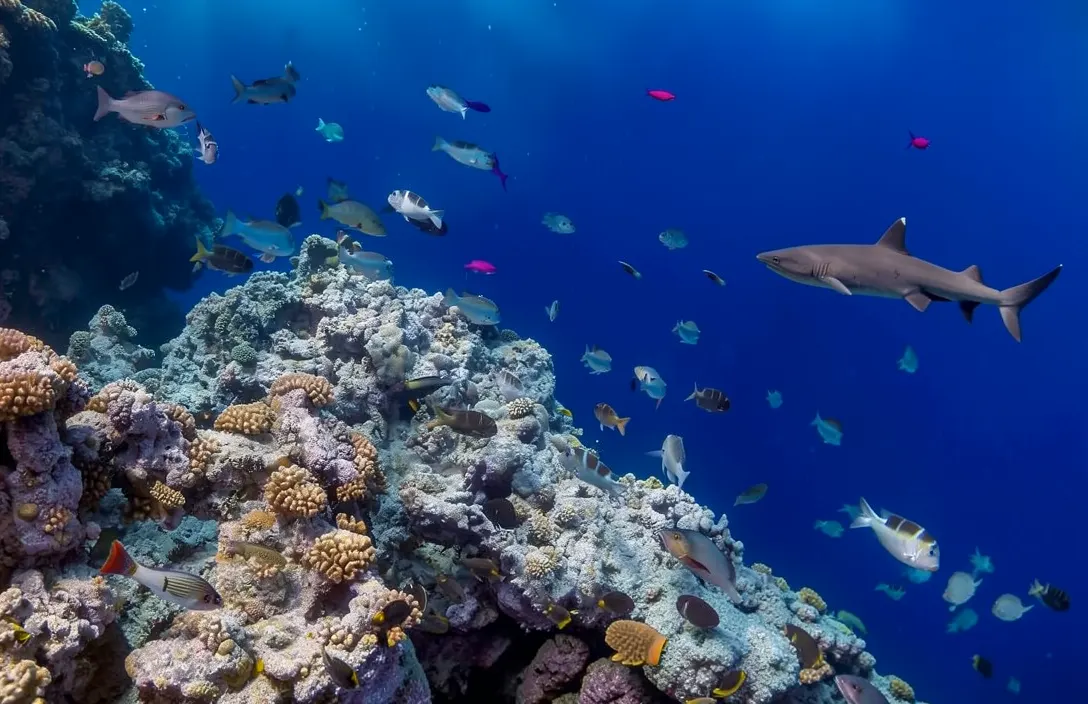
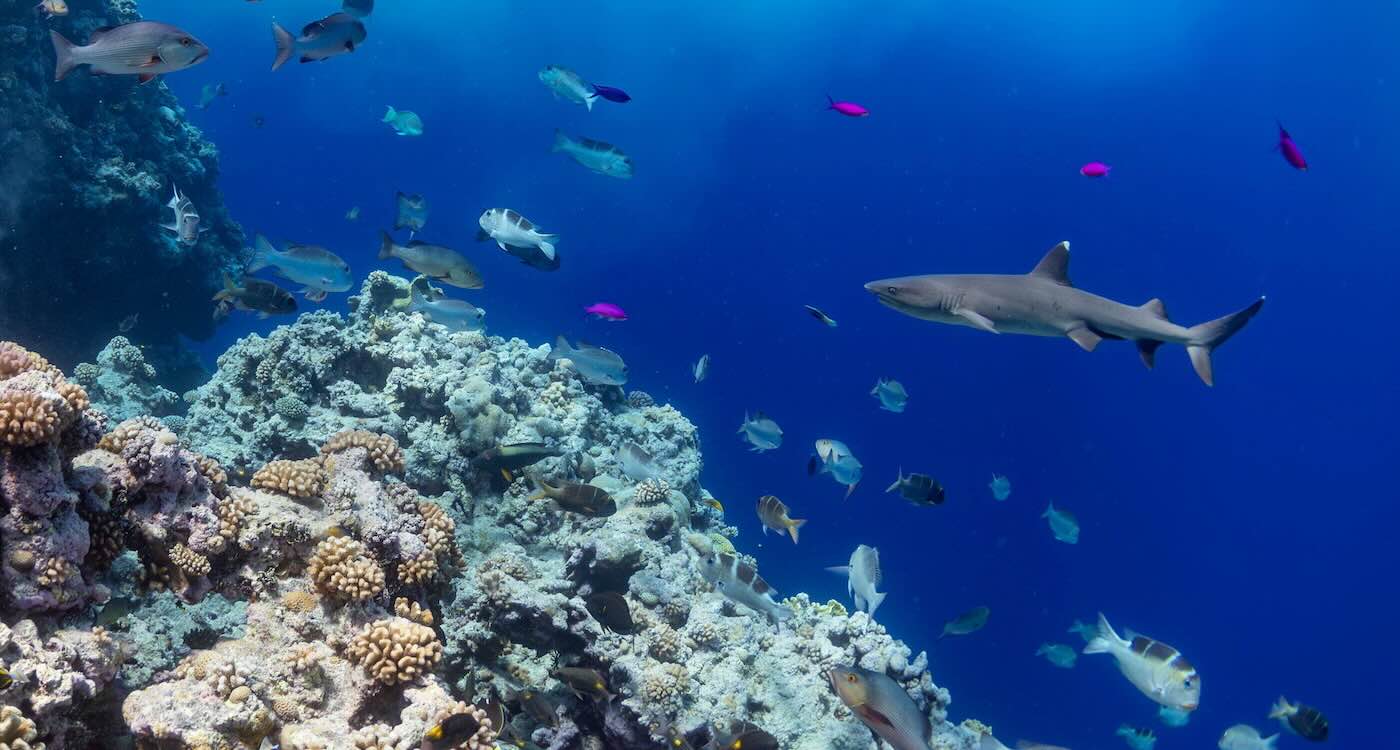
Scientists have identified Bikar and Bokak, located in the Marshall Islands, as some of the last wild and healthy ecosystems untouched by human activity. These two coral atolls, situated roughly midway between Hawaii and the Philippines, have been declared part of a newly created National Marine Sanctuary. The study, published in the journal Frontiers in Marine Science, highlights that these atolls are among the best ecological reference systems available, offering insights into ecosystems with minimal human influence (1). [1]
The research team conducted extensive monitoring of the local land, sea, and sky ecosystems in 2023, including assessments of sea- and shorebird populations, vegetation, and underwater surveys of coral reefs, fish assemblages, and deep-sea communities. The surveys revealed extensive seabird colonies, mature native vegetation, active turtle nesting, and high fish numbers with large predators (1). [1]
The surveys identified over a dozen breeding seabird colonies, 266 groups of reef fish, 79 groups of deep-sea fishes, and 15 groups of open-water predators, including sharks, jacks, and wahoo. Fourteen of the observed groups had not previously been recorded in the Marshall Islands, and two might represent new species to science. The study underscores the importance of these atolls as a globally significant ecological reference system (1). [1]
Scientists have identified Bikar and Bokak, located in the Marshall Islands, as some of the last wild and healthy ecosystems untouched by human activity (1). The research team conducted extensive monitoring of the local land, sea, and sky ecosystems in 2023, including assessments of sea- and shorebird populations, vegetation, and underwater surveys of coral reefs, fish assemblages, and deep-sea communities (1). These efforts revealed a rich and diverse ecosystem, with over a dozen breeding seabird colonies, 266 groups of reef fish, 79 groups of deep-sea fishes, and 15 groups of open-water predators, including sharks, jacks, and wahoo (1). [1]
Advertisement
Bikar and Bokak are the northernmost atolls in the Marshall Islands, lying around 72 and 239 miles from the nearest inhabited atoll, respectively (1). The research team in 2023 began conducting extensive monitoring of local land, sea, and sky ecosystems, assessing sea- and shorebird populations, and vegetation (1). Giant clams at Bokak atoll in the Pacific Ocean were documented during the surveys, along with turtle nesting, coral reefs, and fish assemblages using scuba, underwater video, deep-sea camera deployments, and a submarine (1). [1]
Dr. Friedlander, a marine ecologist at the University of Hawai’i, says the extensive surveying of the ecosystems offers an unparalleled glimpse into how they function with only minimal human influence (1). Two years after the assessment, some 18,500 square miles around the atolls were declared the country’s first national marine sanctuary (1). These atolls have extensive seabird colonies, mature native vegetation, active turtle nesting, high fish numbers with large predators, and surprisingly diverse and poorly-known deep-sea communities (1). [1]
Bikar and Bokak, located in the Marshall Islands, have been identified as some of the last wild and healthy ecosystems untouched by human activity (1). These two atolls, roughly midway between Hawaii and the Philippines, are now part of a newly created National Marine Sanctuary (1). The research team conducted extensive monitoring of the local land, sea, and sky ecosystems in 2023, including assessments of sea- and shorebird populations, vegetation, and underwater surveys of coral reefs, fish assemblages, and deep-sea communities (1). [1]
Bikar and Bokak are the northernmost atolls in the Marshall Islands, lying around 72 and 239 miles from the nearest inhabited atoll, respectively (1). The surveys identified over a dozen breeding seabird colonies, 266 groups of reef fish, 79 groups of deep-sea fishes, and 15 groups of open-water predators, including sharks, jacks, and wahoo (1). The research team used a variety of methods, including scuba, underwater video, deep-sea camera deployments, and a submarine, to conduct the surveys (1). [1]
Advertisement
Dr. Alan Friedlander, a marine ecologist at the University of Hawai’i, stated that the extensive surveying of the ecosystems offers an unparalleled glimpse into how they function with only minimal human influence (1). Two years after the assessment, some 18,500 square miles around the atolls were declared the country’s first national marine sanctuary (1). The study, published in the journal Frontiers in Marine Science, surveyed the atolls during a single point in time to serve as a globally important ecological reference system (1). [1]
Scientists have identified Bikar and Bokak, located in the Marshall Islands, as some of the last wild and healthy ecosystems untouched by human activity (1). These two coral atolls, roughly midway between Hawaii and the Philippines, are now part of a newly created National Marine Sanctuary. The research team conducted extensive monitoring of the local land, sea, and sky ecosystems in 2023, including assessments of sea- and shorebird populations, vegetation, and underwater surveys of coral reefs, fish assemblages, and deep-sea communities (1). [1]
Bikar and Bokak are the northernmost atolls in the Marshall Islands, lying around 72 and 239 miles from the nearest inhabited atoll, respectively (1). The surveys identified over a dozen breeding seabird colonies, 266 groups of reef fish, 79 groups of deep-sea fishes, and 15 groups of open-water predators, including sharks, jacks, and wahoo (1). Dr. Alan Friedlander, a marine ecologist at the University of Hawai’i, says the extensive surveying of the ecosystems offers an unparalleled glimpse into how they function with only minimal human influence (1). [1]
Two years after the assessment, some 18,500 square miles around the atolls were declared the country’s first national marine sanctuary (1). The study, published in the journal Frontiers in Marine Science, surveyed the atolls during a single point in time to serve as a globally important ecological reference system (1). The Marshall Island government should be applauded for their foresight in protecting these global biodiversity hotspots, where human activity is distant and habitats teem with life (1). [1]
Advertisement
The Cali Reporter newsletter
The stories worth your time.
California, the country, and what comes next. Join our free newsletter for reporting that keeps you informed.
More in Good News
- World's First Non-Malignant Bone Marrow Transplant Successfully Treats Aplastic Anemia
A groundbreaking medical achievement has been made with the successful use of a deceased organ donor's bone marrow to treat a non-malignant disease, offering new hope for patients with aplastic anemia.
- Preserving Kids' Art Through Collaborative Collages
An artist has found a way to help parents preserve their children's artwork while reigniting their own creativity, leading to a growing trend among families.
- Spain's Cantabrian Brown Bear Population Doubles in 20 Years
Spain has witnessed a remarkable recovery of its Cantabrian brown bear population over the last two decades, with numbers doubling to 370 individuals and their breeding range expanding significantly.