World's First Non-Malignant Bone Marrow Transplant Successfully Treats Aplastic Anemia
A groundbreaking medical achievement has been made with the successful use of a deceased organ donor's bone marrow to treat a non-malignant disease, offering new hope for patients with aplastic anemia.

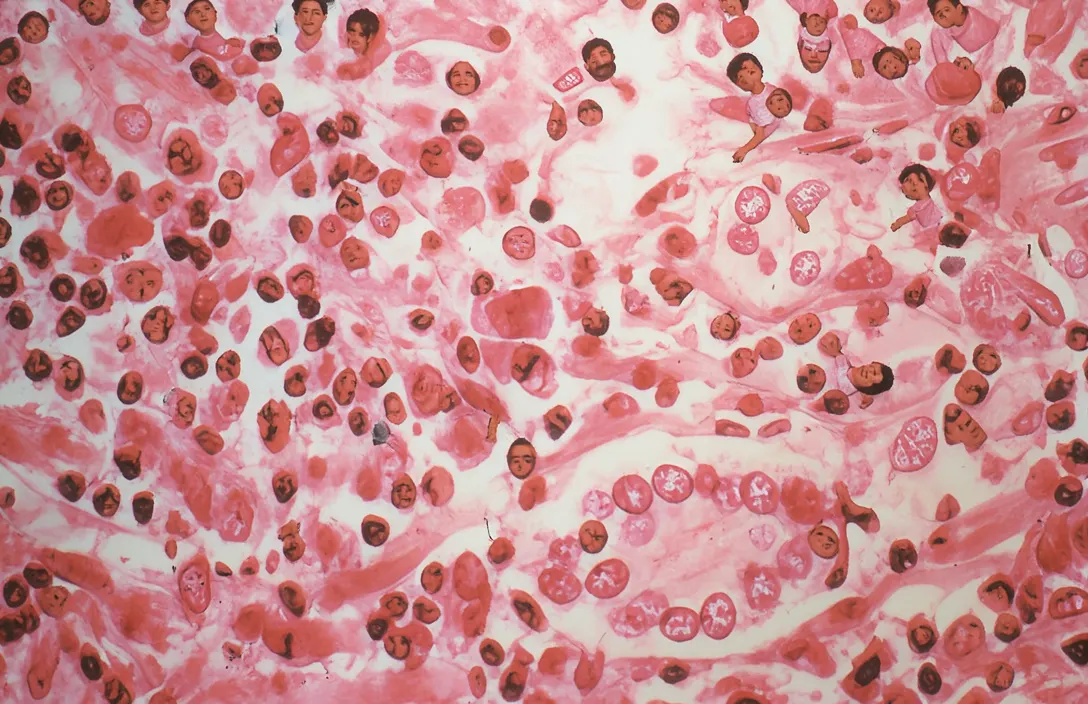
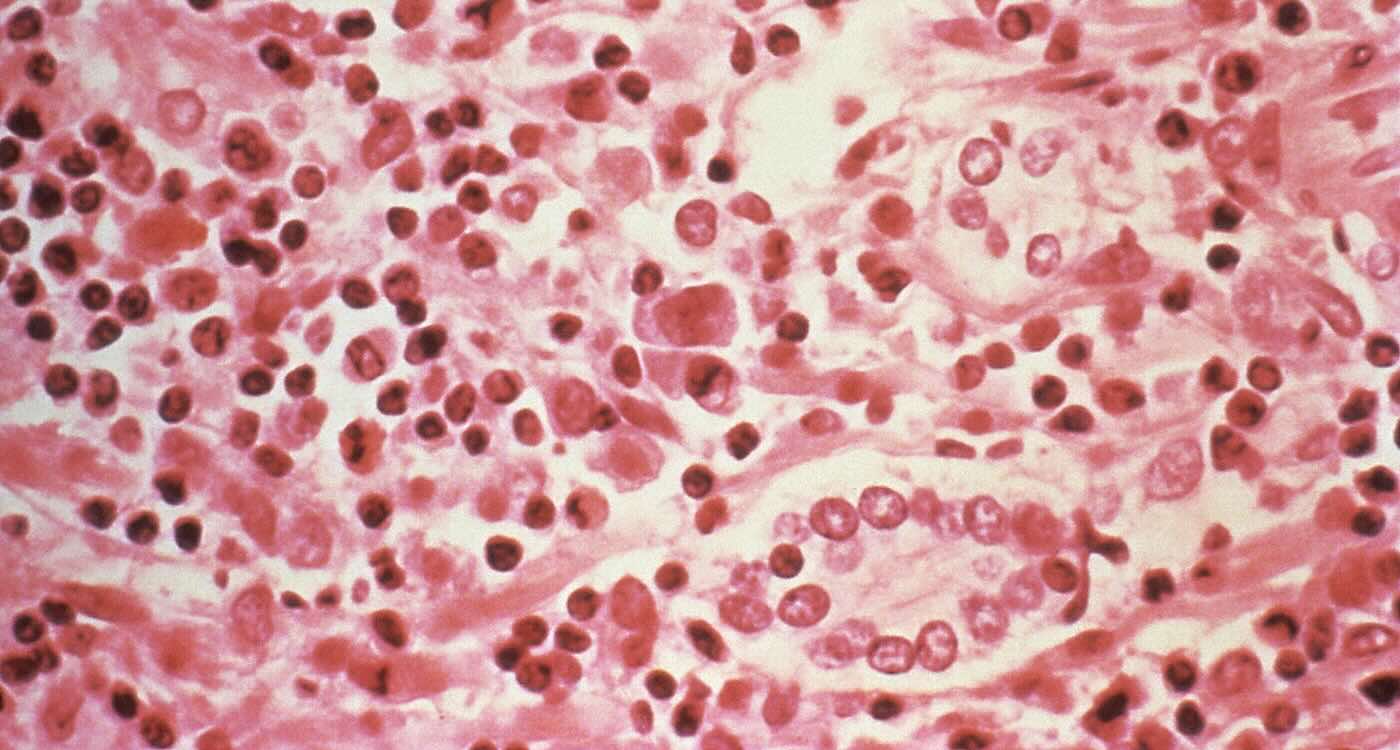
Doctors at Franciscan Health have completed the world’s first reported bone marrow transplant to treat a non-malignant disease, specifically severe aplastic anemia in a 40-year-old woman. The patient, who had a decade-long history of the condition, received the transplant on April 18 after her disease progressed from stable to severe despite multiple lines of therapy (Evidence 1). [1]
Six months after the transplant, the donor marrow has taken hold and restored her blood counts. She no longer requires blood or platelet transfusions and has achieved full donor chimerism, meaning her blood and immune system are now produced entirely by the donor’s stem cells, without complications (Evidence 1). [1]
Bone marrow-derived stem cells are widely regarded as the preferred source over peripheral blood stem cells for non-malignant conditions such as severe aplastic anemia, sickle cell disease, and beta thalassemia. This case marks the first reported use of deceased organ donor bone marrow for severe aplastic anemia (Evidence 1). [1]
Felix Mensah, MD, the treating physician at Franciscan Health, emphasized that this case demonstrates the importance of innovation in transplant medicine and the need for more donor options to provide curative therapy for patients with life-threatening bone marrow failure disorders (Evidence 1). [1]
Advertisement
The procedure took place at Franciscan Health, a Catholic healthcare system located in the American Midwest, specifically in Indiana. The patient, a 40-year-old woman, had been living with aplastic anemia for ten years before undergoing the transplant on April 18. The bone marrow was sourced from a deceased organ donor, marking a first in the treatment of non-malignant diseases through this method. The transplant was conducted after her condition deteriorated from stable to severe despite multiple therapeutic interventions. The success of the transplant was confirmed six months post-procedure, with the donor marrow successfully engrafting and restoring her blood counts. The patient no longer requires blood or platelet transfusions and has achieved full donor chimerism, which means her blood and immune system are now entirely derived from the donor's stem cells. This case highlights the potential of deceased donor bone marrow as a viable source for treating severe aplastic anemia, a condition that has historically been treated with living related or unrelated donors since the 1970s. [1]
The use of bone marrow-derived stem cells is considered the preferred source for non-malignant conditions such as severe aplastic anemia, sickle cell disease, beta thalassemia, and other inherited or acquired bone marrow failure disorders. This is in contrast to peripheral blood stem cells (PBSCs), which are more commonly used in malignant conditions. The case was reported by Felix Mensah, MD, the treating physician at Franciscan Health, who emphasized the significance of this first reported transplant using deceased organ donor bone marrow for severe aplastic anemia. The success of this procedure has been highlighted as a defining moment by Kevin Caldwell, Co-Founder and CEO of Ossium, which maintains a marrow bank. Ossium plans to continue supporting the transplantation of additional patients with both malignant and non-malignant diseases through its HOPE Program. [1]
Ossium, through its HOPE Program, aims to expand access to deceased donor bone marrow as a graft source for conditions where it offers clear clinical advantages. The company's efforts are focused on recovering and banking bone marrow from organ donors to optimize treatment outcomes. This initiative underscores the importance of continued innovation in transplant medicine and the need for more donor options to ensure that every patient with a life-threatening bone marrow failure disorder has access to potentially curative therapy. The success of this first non-malignant transplant has been described as a medical milestone, offering hope for future treatments and highlighting the potential of deceased donor bone marrow in the field of transplant medicine. [1]
Doctors at Franciscan Health have completed the world’s first reported bone marrow transplant to treat a non-malignant disease, specifically severe aplastic anemia in a 40-year-old woman. Six months after the transplant, the donor marrow has taken hold and restored her blood counts. The patient, who had a decade-long history of the disease, received the bone marrow stem cell transplant on April 18 after her condition progressed from stable to severe, despite multiple lines of therapy (1). [1]
Advertisement
Because her disease no longer responded to medication, her care team pursued a transplant to replace her failing marrow with healthy blood-forming stem cells. She no longer needs blood or platelet transfusions and has achieved full donor chimerism, meaning her blood and immune system are now produced entirely by the donor’s stem cells, without complications (1). [1]
For non-malignant conditions including severe aplastic anemia, sickle cell disease, beta thalassemia, and other inherited or acquired bone marrow failure disorders, bone marrow-derived stem cells are widely regarded as the preferred stem cell source over peripheral blood stem cells (PBSCs), and the source of choice for non-malignant diseases (1). [1]
Sources
Prepared with AI assistance from the cited sources.
The Cali Reporter newsletter
The stories worth your time.
California, the country, and what comes next. Join our free newsletter for reporting that keeps you informed.
More in Good News
- Preserving Kids' Art Through Collaborative Collages
An artist has found a way to help parents preserve their children's artwork while reigniting their own creativity, leading to a growing trend among families.
- Spain's Cantabrian Brown Bear Population Doubles in 20 Years
Spain has witnessed a remarkable recovery of its Cantabrian brown bear population over the last two decades, with numbers doubling to 370 individuals and their breeding range expanding significantly.
- Ice Age Cave Paintings Found in Plain Sight for Centuries
A third-largest collection of Ice Age-era engravings was discovered in a Spanish cave that had been visited by thousands of people for centuries without recognition of its historical significance.