New Insights into Mevalonate Kinase Deficiency Challenge 30 Years of Research
A recent study has uncovered a previously unrecognized role of natural killer (NK) cells in the inflammatory process of mevalonate kinase deficiency (MKD), potentially leading to new treatment options for patients who…

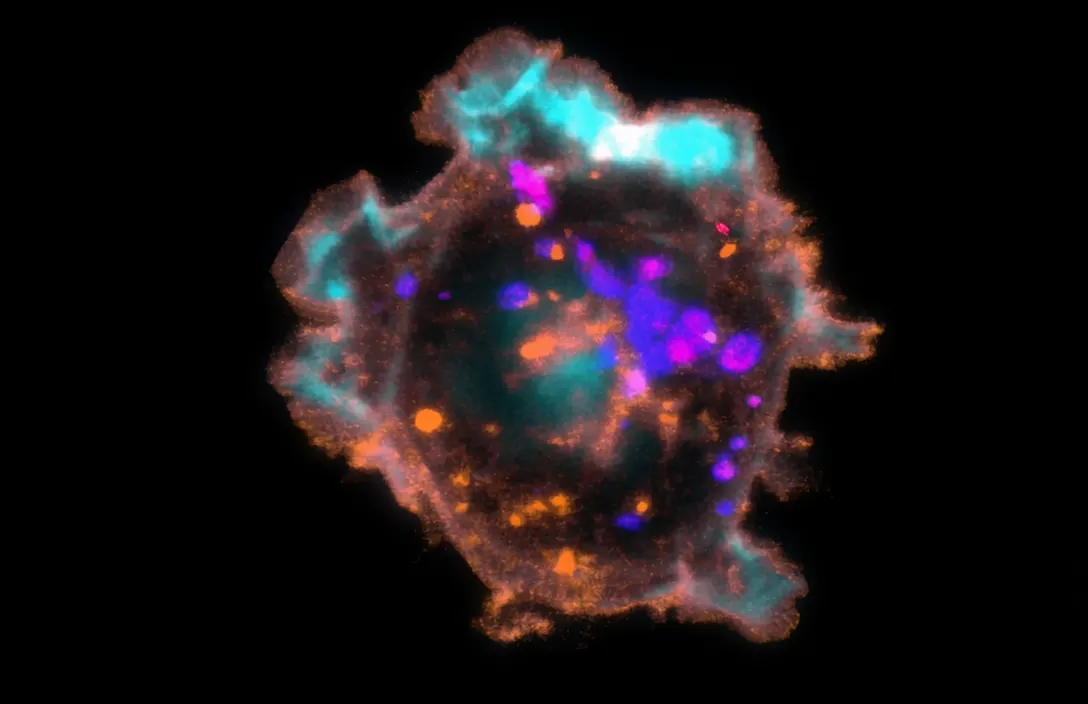
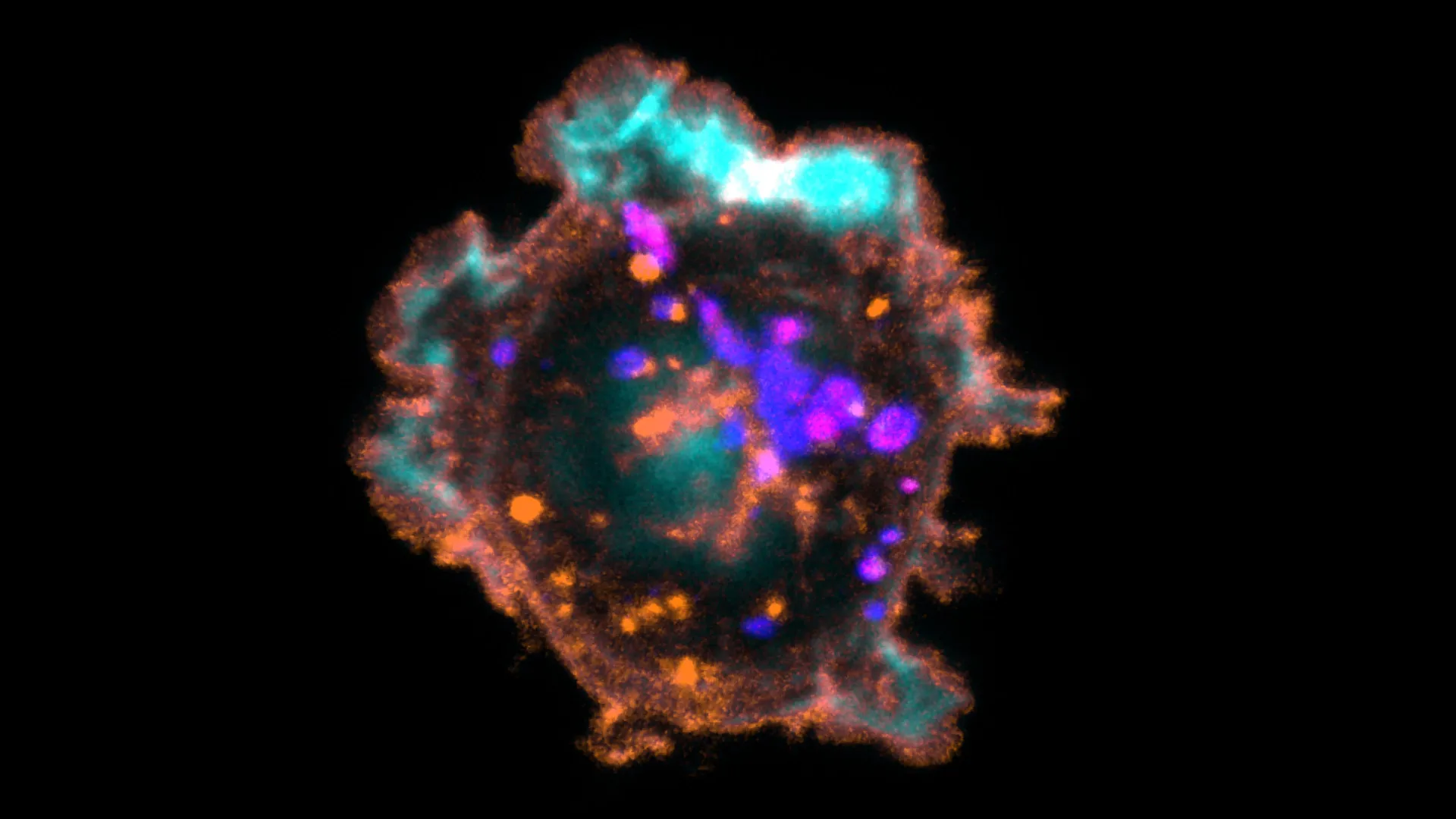
For decades, scientists believed that macrophages were primarily responsible for the dangerous inflammation associated with mevalonate kinase deficiency (MKD), a rare genetic disorder. However, a new study published in Immunity, conducted by researchers at the Garvan Institute of Medical Research, has identified a significant defect in natural killer (NK) cells, which play a crucial role in the body's early defenses against viral infections. This finding challenges 30 years of established thinking and opens the door to new treatment options (1). [1]
In MKD, natural killer cells fail to mature properly and struggle to perform their essential function of destroying infected cells. When these cells cannot eliminate their targets, they release large amounts of inflammatory signaling molecules, activating other parts of the immune system and potentially triggering widespread inflammation. This malfunction in NK cells has been found to be a central factor in driving the disorder, rather than macrophage activity as previously believed (1). [1]
The discovery has already guided an experimental treatment approach for a severely affected infant, with the use of baricitinib, a JAK inhibitor, showing early promise. This medication, already used for other immune-related conditions, was added to the infant's existing treatment regimen and resulted in a reduction in inflammatory flare-ups and improvement in gastrointestinal inflammation. These results suggest that JAK inhibitors may be a viable treatment option for patients who do not respond to current therapies (1). [1]
Mevalonate kinase deficiency (MKD) is a rare genetic disorder affecting approximately hundreds of children and adults globally, though many cases likely remain undiagnosed. The condition is characterized by recurrent episodes of high fever, skin rashes, joint pain, and abdominal inflammation, with some episodes leading to life-threatening complications. The disorder has been historically associated with macrophage dysfunction, but recent research challenges this long-standing assumption. The disease's name reflects its connection to the mevalonate kinase enzyme, which plays a critical role in the mevalonate pathway, a key metabolic route involved in the production of cholesterol and other essential molecules. This pathway is also implicated in a broader group of disorders termed 'prenylopathies,' which share similar genetic and metabolic features. [1]
Advertisement
Located in Sydney, Australia, the Garvan Institute of Medical Research conducted a groundbreaking study published in *Immunity* that revealed a previously unrecognized role of natural killer (NK) cells in the inflammatory process of MKD. The study involved examining blood samples from MKD patients and using preclinical models to simulate the disease's effects. The research team, led by Professor Mike Rogers and Dr. Marcia Munoz, discovered that in individuals with MKD, NK cells fail to mature properly and are unable to release toxic granules that would normally destroy infected cells. This malfunction leads to the accumulation of inflammatory signals, particularly interferon gamma, which triggers a cascade of immune responses resulting in severe inflammation. [1]
The historical understanding of MKD, which spanned approximately three decades, focused primarily on macrophages as the main drivers of inflammation. Existing treatments for the disorder target these cells to block the release of inflammatory signals. However, these therapies are ineffective for about half of the patients, highlighting the need for new treatment strategies. The discovery of NK cell dysfunction in MKD represents a significant shift in the field, challenging the previous assumption that macrophage activity was the central cause of the disease. This finding has opened the door to exploring alternative therapeutic approaches, such as the use of JAK inhibitors, which have shown promise in early clinical trials and experimental treatments. [1]
The research team, in collaboration with scientists at Monash University and clinicians at the Royal Children's Hospital in Melbourne, tested the effectiveness of baricitinib, a JAK inhibitor, in a severely affected infant with MKD. The medication, already used for conditions like rheumatoid arthritis and eczema, was added to the infant's existing treatment regimen. The results showed a reduction in the frequency of inflammatory flare-ups and improvement in gastrointestinal inflammation. This case, while not definitive proof of the drug's efficacy for all MKD patients, provides early evidence supporting the potential of JAK inhibitors as a new treatment option for those unresponsive to current therapies. The study also suggests that similar approaches may be applicable to other disorders within the 'prenylopathies' family, potentially improving diagnosis and treatment for a range of related genetic conditions. [1]
For decades, scientists believed that macrophages were primarily responsible for the dangerous inflammation associated with mevalonate kinase deficiency (MKD), a rare genetic disorder. However, new research from the Garvan Institute of Medical Research has identified a significant role for natural killer (NK) cells in this condition, suggesting that their dysfunction may be the primary cause of inflammation rather than macrophages (ScienceDaily Health & Medicine). This discovery challenges 30 years of established thinking and could lead to new treatment approaches for patients who do not respond to current therapies. The study, published in Immunity, highlights the importance of examining NK cells in understanding the pathogenesis of MKD. [1]
Advertisement
The research found that in MKD, natural killer cells fail to mature properly and struggle to perform their essential function of destroying infected cells. When these cells cannot eliminate their targets, they release large amounts of inflammatory signaling molecules, activating other parts of the immune system and potentially triggering widespread inflammation (ScienceDaily Health & Medicine). This malfunction leads to excessive inflammation and severe symptoms such as high fever, skin rashes, and joint pain, which are characteristic of the disorder. The study also suggests that the problem is not limited to MKD, as similar defects in NK cells may be involved in other genetic disorders known as 'prenylopathies.' [1]
The discovery has already guided an experimental treatment approach for a severely affected infant, with the use of baricitinib, a JAK inhibitor, showing early promise (ScienceDaily Health & Medicine). Baricitinib is a medication that interferes with signaling pathways used by the immune system, including those involved in responses to interferon gamma. The drug is already used to treat other immune-related conditions, and its addition to the infant's existing treatment regimen led to an improvement in the child's condition, with fewer inflammatory flare-ups and healing of gastrointestinal inflammation. Although the results from a single patient cannot confirm the treatment's effectiveness broadly, they provide encouraging evidence for future clinical studies. [1]
Sources
ScienceDaily Health & Medicine
Prepared with AI assistance from the cited sources.
The Cali Reporter newsletter
The stories worth your time.
California, the country, and what comes next. Join our free newsletter for reporting that keeps you informed.
More in Health & Medicine
- Understanding Fascia and the Evidence Behind Fascia Release
Fascia is a connective tissue that plays a structural role in the human body, but evidence supporting specific exercises or tools for 'fascia release' remains limited.
- Antidepressant Effectiveness and Long-Term Use
A new review suggests that some antidepressants may be more effective than others in helping people manage depression symptoms over the long term, according to a study published in The Lancet Psychiatry.
- Experimental Weight-Loss Drug Shows Promise for Knee Osteoarthritis Pain
A new study suggests that an experimental weight-loss drug, retatrutide, may significantly reduce knee pain in people with osteoarthritis and obesity.