Navy Testifies on Troop Conditions and Deployment Concerns
The confirmation hearing of Acting Navy Secretary Hung Cao highlighted ongoing concerns about troop conditions and deployment challenges, particularly in the Middle East.

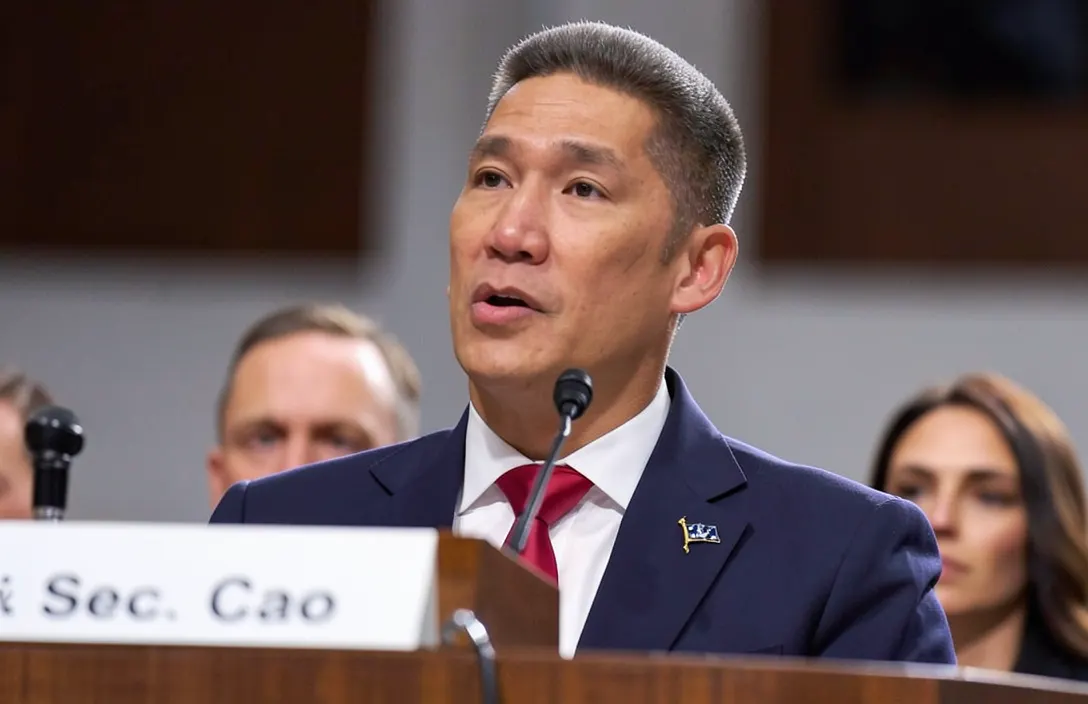

During the Senate Armed Services Committee confirmation hearing, Acting Navy Secretary Hung Cao addressed concerns raised by senators regarding troop conditions and supply issues faced by Navy personnel in the Middle East. Arizona Democrat Mark Kelly highlighted the challenges faced by the San Diego aircraft carrier USS Abraham Lincoln during its 11-month deployment in the region, citing shortages of food and hygiene products. These issues were previously reported by the Pentagon Inspector General in a September report, which noted logistic problems caused by Iranian attacks on the Navy’s supply base in Bahrain. Cao acknowledged these shortages in a letter to lawmakers in September, according to the KPBS: San Diego (1). [1]
Kelly also raised concerns about recent reports of similar shortages among other ships in the Middle East, including the San Diego-based USS Boxer Amphibious Ready Group. He cited accounts from parents whose children experienced significant weight loss and a lack of basic hygiene supplies. Cao responded by comparing troop complaints to those of picky children, stating that the issue was not about the availability of food but rather about preferences. This response did not address the underlying concerns raised by Kelly regarding the impact of supply shortages on service members, as noted in the KPBS: San Diego (1). [1]
Cao also addressed reports of eight suicide attempts during the deployment of the Lincoln’s battle group, reframing the issue as eight instances of suicide mitigation. Meanwhile, San Diego Democratic Congresswoman Sara Jacobs emphasized the concerns of local military families regarding the reckless carelessness of Defense Secretary Pete Hegseth, which led to an impeachment effort that failed last week. Jacobs stated that the midterms provided a clear mandate to end the war in Iran, according to the KPBS: San Diego (1). [1]
During the Senate Armed Services Committee confirmation hearing, Acting Navy Secretary Hung Cao addressed concerns raised by senators regarding supply issues faced by Navy personnel in the Middle East, including the San Diego-based USS Boxer Amphibious Ready Group. Arizona Senator Mark Kelly highlighted reports of food and hygiene shortages aboard the USS Abraham Lincoln during its 11-month deployment, citing a September report from the Pentagon Inspector General that linked these shortages to Iranian attacks on the Navy’s supply base in Bahrain (1). Kelly noted accounts from parents describing significant weight loss among service members and a lack of basic hygiene supplies (1). [1]
Advertisement
When questioned about the eight reported suicide attempts during the deployment of the USS Abraham Lincoln’s battle group, Cao reframed the issue as eight instances of suicide mitigation. This response came amid growing concerns from service members and their families about the conditions faced by deployed personnel. Cao’s comments were met with skepticism, as Kelly emphasized the severity of the reported mental health challenges (1). [1]
The hearing also highlighted the broader context of extended deployments, with families of sailors on the USS George W. Bush and USS Theodore Roosevelt being informed that their deployments could last up to 12 months. These developments have fueled calls for accountability and reform, particularly from local representatives such as San Diego Congresswoman Sara Jacobs, who has supported efforts to address the challenges faced by military personnel and their families (1). [1]
Acting Navy Secretary Hung Cao testified before the Senate Armed Services Committee on his nomination as Secretary of the Navy, where he faced questions from senators about the supply issues faced by Navy personnel in the Middle East, including the San Diego-based USS Boxer Amphibious Ready Group. Arizona Democrat Mark Kelly highlighted reports of significant weight loss among service members due to a lack of food and hygiene supplies, citing a parent's account of a child losing over 45 pounds in six months (1). [1]
When questioned about the eight reported suicide attempts during the deployment of the USS Abraham Lincoln’s battle group, Cao reframed the issue as eight instances of suicide mitigation. This response came amid concerns raised by Kelly about similar shortages among other ships in the Middle East, including the USS Boxer Amphibious Ready Group (1). [1]
Advertisement
Cao compared troop complaints to those of picky children, stating that the issues were not about the availability of food but rather about what service members wanted. This approach drew criticism from lawmakers who emphasized the severity of the situation and the impact on service members and their families (1). [1]
During the Senate Armed Services Committee confirmation hearing, Acting Navy Secretary Hung Cao addressed concerns raised by senators regarding supply issues faced by Navy personnel in the Middle East, including the San Diego-based USS Boxer Amphibious Ready Group (Source ID: 1). Arizona Senator Mark Kelly highlighted reports of food and hygiene shortages affecting the USS Abraham Lincoln during its 11-month deployment in the region. A parent shared that their child lost over 45 pounds in six months due to a lack of food and basic hygiene supplies (Source ID: 1). [1]
Cao responded to these concerns by comparing troop complaints to those of picky children, stating that the issues were not about the availability of food but rather about what service members wanted (Source ID: 1). When questioned about the eight reported suicide attempts during the deployment of the USS Abraham Lincoln’s battle group, Cao reframed the issue as eight instances of suicide mitigation (Source ID: 1). [1]
The hearing also highlighted the impact of extended deployments on military families. Families of sailors on the Virginia-based aircraft carrier USS George W. Bush were informed that their current deployment could extend to 12 months, according to the Navy Times (Source ID: 1). Sailors on the deployed San Diego-based carrier USS Theodore Roosevelt were also warned of potential long-term deployments before leaving in September (Source ID: 1). [1]
Advertisement
The Cali Reporter newsletter
The stories worth your time.
California, the country, and what comes next. Join our free newsletter for reporting that keeps you informed.
More in San Diego
- Community Condemns ICE Enforcement Near Encinitas School
Residents and school officials in Encinitas are expressing deep concern over an ICE arrest near a local elementary school, highlighting the emotional and psychological impact on families and children.
- San Diego Lawmakers Push Immigration Enforcement Reforms
San Diego's Congressional delegation is advocating for changes to immigration enforcement practices following recent arrests that have raised concerns about the impact on families.
- Tide Pool Etiquette and Environmental Impact During King Tides
As king tides bring more visitors to San Diego's coastline, concerns grow over the impact of human activity on tide pool ecosystems. Educators and conservationists are urging visitors to follow responsible practices to…