National Historic Preservation Act Faces Challenges
The National Historic Preservation Act, a cornerstone of American cultural heritage, has encountered significant challenges in recent years, prompting concerns over its future.

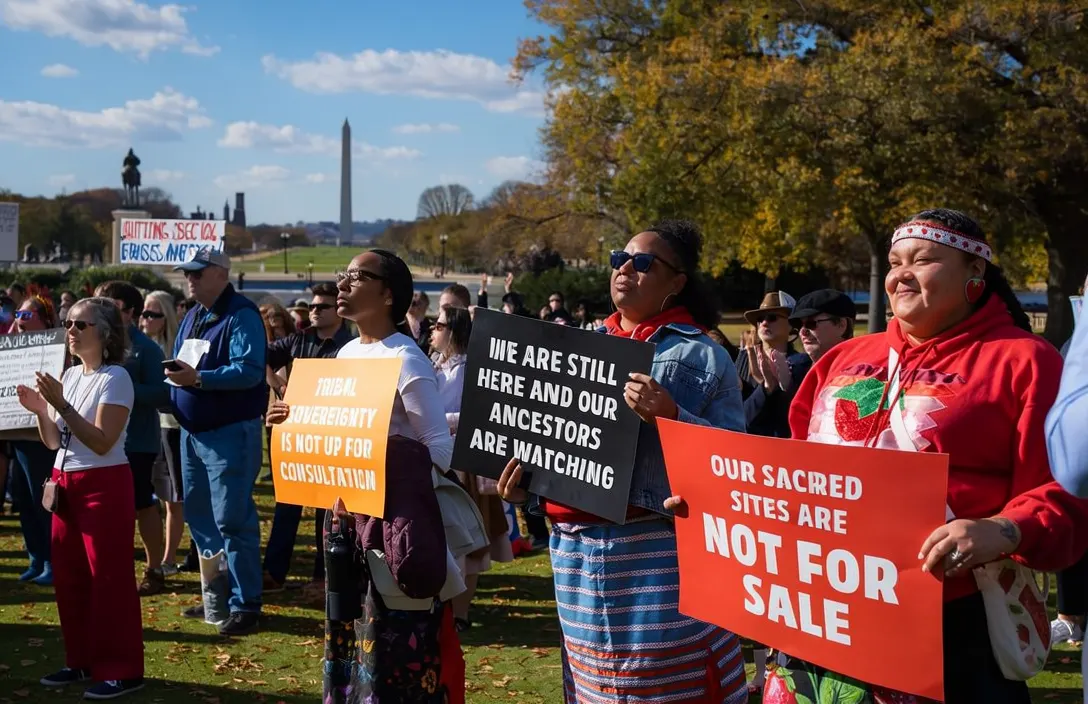
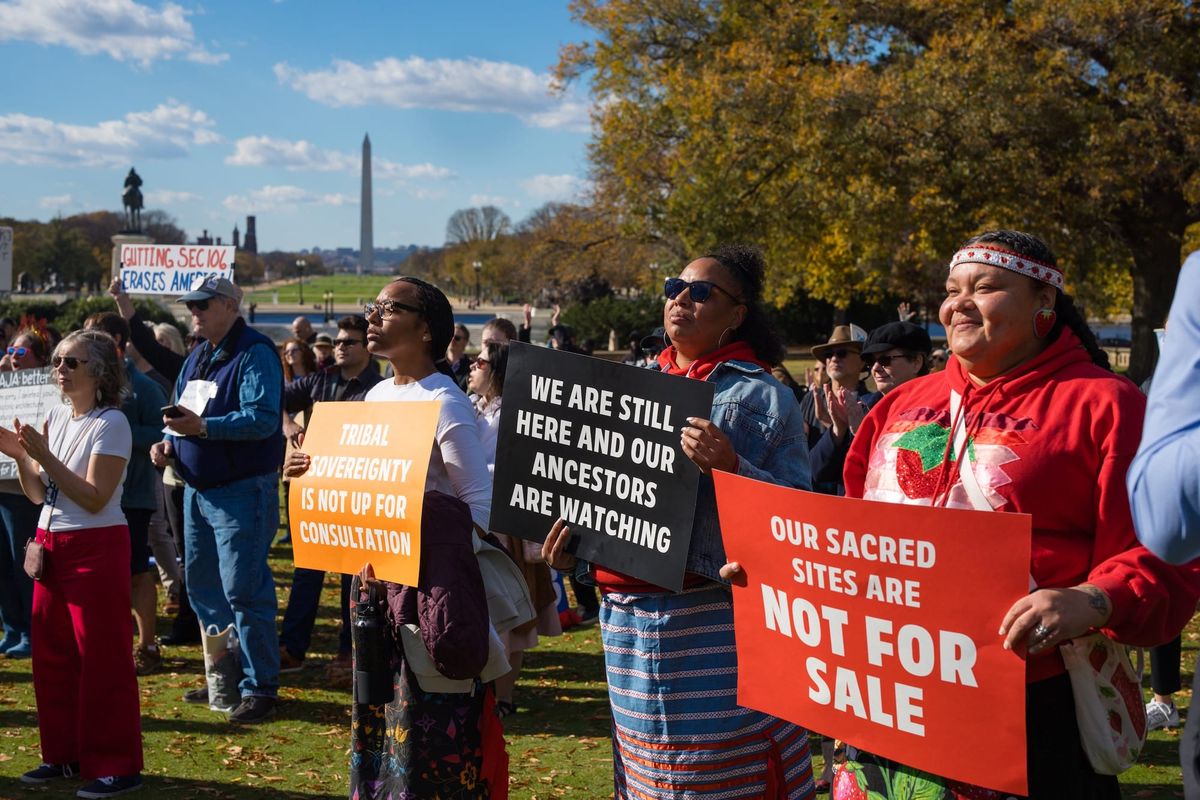
The National Historic Preservation Act (NHPA), signed into law in 1966 by President Lyndon B. Johnson, was a response to the widespread destruction of historic buildings and landmarks across the United States (Hyperallergic). This law was designed to ensure that the federal government and developers would consider the historical significance of sites before proceeding with projects that could potentially damage them. The NHPA was born out of a national crisis, with half of the 12,000 historic buildings and landmarks documented by the Civil Works Administration in 1933 having been demolished by the 1960s (Hyperallergic). [1]
The NHPA was a pivotal development in the United States, emerging from a period of urban renewal that saw the demolition of entire neighborhoods to make way for modern development (www.nps.gov). By the 1960s, the destruction of places like New York's Pennsylvania Station, which was demolished between 1963 and 1966 despite efforts to save it, highlighted the urgent need for preservation laws (www.nps.gov). The NHPA was the first national policy to address the preservation of historic sites, marking a turning point in how the United States would treat its cultural heritage. [2]
The NHPA established a comprehensive framework for the preservation of historic sites, including the creation of the National Register of Historic Places and the requirement for federal agencies to conduct a Section 106 review process to assess the impact of their projects on historic sites (www.nps.gov). This law not only formalized the preservation of cultural heritage but also recognized the economic and social benefits of preserving historic sites, fostering heritage tourism and enhancing the quality of life in communities across the nation (www.nps.gov). [2]
The National Historic Preservation Act (NHPA) was signed into law in 1966 by President Lyndon B. Johnson, emerging from a period of urban renewal that saw the demolition of entire neighborhoods for modern development (www.nps.gov). The act was a response to a national epidemic of federally sponsored demolition, where 50% of the 12,000 historic buildings and landmarks documented by the Civil Works Administration in 1933 had been destroyed by the 1960s (Hyperallergic). This widespread destruction was dubbed "the death mask of America." [1] [2]
Advertisement
The NHPA was the first national policy to govern preservation and would shape the fate of historic and cultural sites over the next half-century (www.nps.gov). It was prompted by a report titled With Heritage So Rich, which highlighted the urgent need for federal intervention in historic preservation. The report emphasized that the federal government needed to take responsibility for protecting the nation's heritage, leading to the creation of the National Register of Historic Places and the Section 106 review process (www.nps.gov). [2]
The NHPA established a comprehensive framework for preservation, including the creation of the President's Advisory Council on Historic Preservation and the requirement for states to inventory and protect historic sites in their jurisdictions (www.nps.gov). The act also formalized the Section 106 review process, which required federal agencies to assess the impact of their projects on historic sites before proceeding (Hyperallergic). [1] [2]
The National Historic Preservation Act (NHPA), signed into law in 1966 by then-President Lyndon B. Johnson, was born out of a national epidemic of federally sponsored demolition. Americans discovered that an astonishing 50% of the nation’s 12,000 historic buildings and landmarks documented in an inventory begun by the Civil Works Administration in 1933 had been demolished amid federally supported urban renewal and highway development (Hyperallergic). [1]
The NHPA’s central proposition was modest: Before the federal government or a developer damaged or destroyed an important part of America’s heritage, it simply needed to stop, look, and listen. This law was the first national policy to govern preservation and would shape the fate of historic and cultural sites over the next half-century (www.nps.gov). [2]
Advertisement
The NHPA was conceived in response to a period of urban renewal that saw the demolition of entire neighborhoods to make way for modern development. The law required federal agencies to conduct a Section 106 review process to assess the impact of their projects on historic sites (www.nps.gov). [2]
The Act survived Republican and Democratic administrations, recessions, and wars, but its health declined precipitously this year after a devastating bout of congressional malpractice. There’s still time to save it (Hyperallergic). [1]
The National Historic Preservation Act (NHPA), signed into law in 1966 by then-President Lyndon B. Johnson, was conceived in response to a national epidemic of federally sponsored demolition. Americans discovered that an astonishing 50% of the nation’s 12,000 historic buildings and landmarks documented in an inventory begun by the Civil Works Administration in 1933 had been demolished amid federally supported urban renewal and highway development (Hyperallergic). [1]
The NHPA’s central proposition was modest: Before the federal government or a developer damaged or destroyed an important part of America’s heritage, it simply needed to stop, look, and listen. The Act survived Republican and Democratic administrations, recessions, and wars, but its health declined precipitously this year after a devastating bout of congressional malpractice (Hyperallergic). [1]
Advertisement
The NHPA was the first national policy governing preservation and would shape the fate of many of our historic and cultural sites over the next half-century. There had been earlier measures to foster preservation—the Antiquities Act of 1906 and the Historic Sites Act of 1935—but none were as sweeping or as influential as the National Historic Preservation Act (www.nps.gov). [2]
Sources
Prepared with AI assistance from the cited sources.
The Cali Reporter newsletter
The stories worth your time.
California, the country, and what comes next. Join our free newsletter for reporting that keeps you informed.
More in Culture
- Trump Meme Recasts Nvidia CEO as Butler Incident Survivor
President Donald Trump shared a meme reimagining Nvidia CEO Jensen Huang as the hero of his own assassination attempt in Butler, Pennsylvania, according to Hyperallergic.
- Venice Biennale Concludes with High Attendance Despite Challenges
The 61st Venice Biennale concluded with a record number of visitors despite challenges including political disputes and the curator's sudden passing.
- Artist Residencies as a Strategy for Navigating Precarity
Artists are increasingly relying on residencies as a means of coping with economic instability, commercial pressures, and the demands of sustained artistic production.