Artist Residencies as a Strategy for Navigating Precarity
Artists are increasingly relying on residencies as a means of coping with economic instability, commercial pressures, and the demands of sustained artistic production.

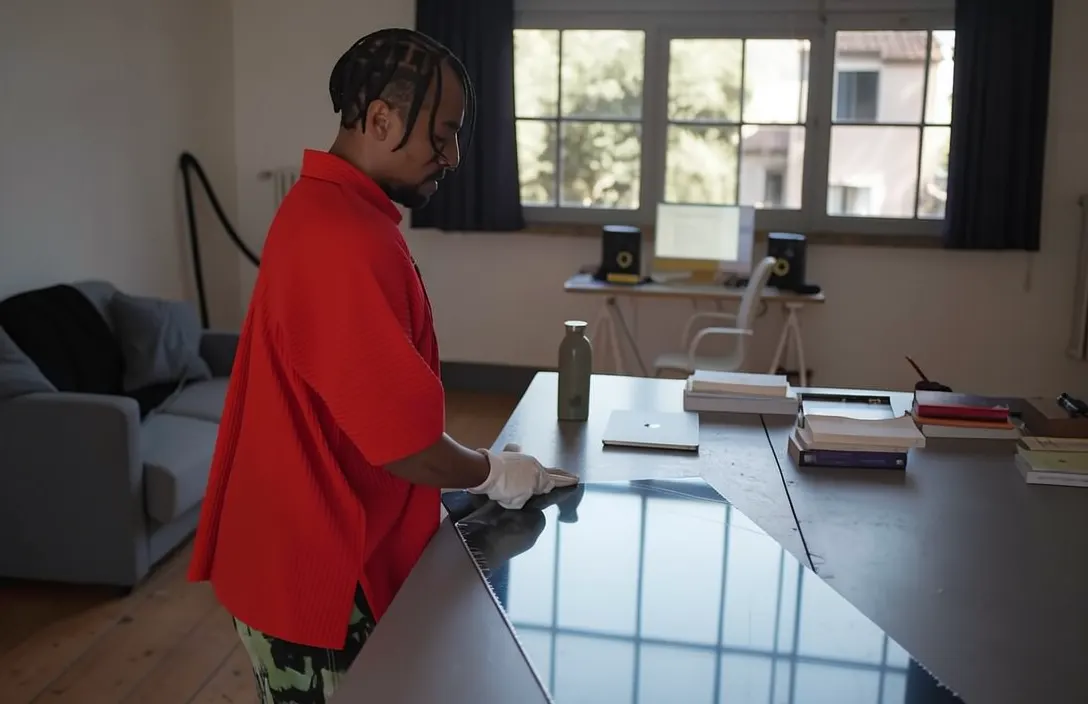

For some artists, residencies have become a form of survival as they navigate the precarity of the contemporary art world. According to Hyperallergic, artists like Paul Maheke, a French-born performance artist, have turned to residency programs as a refuge from commercial gallery circuits and the pressures of maintaining a permanent studio space. Maheke, who has completed more than 14 residencies over the last decade, described his move to Rome's Villa Medici as a new phase in a career shaped by transience. He relocated frequently between residencies in France, Vienna, and Canada to escape the commercial environment of London, which he found depleting and distracting. [1]
Maheke explained that residencies offer not only financial support and space but also the freedom to work without the immediate pressures of the commercial art world. He noted that his artistic practice had outgrown the conventional studio model, incorporating choreographed performances and autobiographical elements that required a different kind of creative environment. His work, which blends an 'Afro-descendant European perspective' with ideas about queerness, memory, and the body, has necessitated a more flexible and mobile approach to artistic production. [1]
Across different career stages and countries, artists are increasingly turning to residencies as a workaround for economic volatility and the pressure to sustain artistic output. As reported by Hyperallergic, artists have described residencies as alternatives to permanent studios and as refuges from the commercial pressures of major cultural centers. These programs, once seen as philanthropic sites for creative retreat, have become essential tools for many artists to navigate the challenges of the contemporary art landscape. [1]
For some artists, residencies have become a form of survival as they navigate the precarity of the contemporary art world. Paul Maheke, a French-born performance artist in his 40s, described residencies as a way to escape the commercial pressures of major cultural centers and the burnout associated with the art industry (Hyperallergic). Maheke, who has completed more than 14 artist residencies over the last decade, explained that residencies offer not only financial support and space but also the freedom to work without the immediate pressures of the commercial art world (Hyperallergic). [1]
Advertisement
Maheke noted that the pressure to hold down a traditional studio space, typically suited for painters, no longer made sense for his evolving practice, which includes choreographed performances and drawing on autobiography (Hyperallergic). He emphasized the importance of movement in his creative process, stating that he tends to think better when he is in motion and that traveling has always shifted his way of working (Hyperallergic). [1]
Across different career stages and countries, artists are increasingly turning to residencies as a workaround for economic volatility and the pressure to sustain artistic output (Hyperallergic). In interviews with Hyperallergic, artists reported using residencies as alternatives for permanent studios and refuges from the commercial pressures of major cultural centers (Hyperallergic). [1]
Maheke emphasized that the pressure to hold down a traditional studio space, typically suited for painters, no longer made sense for his evolving practice, which includes choreographed performances and drawing on autobiography (Hyperallergic). As his ideas developed, the need for a conventional studio space diminished, and instead, he found that residencies offered the flexibility and space required for his multidisciplinary work. These programs now serve as a refuge for many artists, allowing them to work without the immediate pressures of the commercial art world (Hyperallergic). [1]
Across different career stages and countries, artists are increasingly turning to residencies as a workaround for economic volatility and the pressure to sustain artistic output (Hyperallergic). What were once considered philanthropic sites for creative retreat or intellectual leisure have evolved into essential tools for navigating the precarity of the contemporary art world. Artists like Maheke have found that residencies provide not only financial support and space but also the freedom to work without the constraints of commercial expectations (Hyperallergic). [1]
Advertisement
For some artists, residencies have become a form of survival as they navigate the precarity of the contemporary art world (Hyperallergic). Paul Maheke, a French-born performance artist in his 40s, has relied on residencies as a means to avoid the pressures of the commercial gallery circuit, which he described as populated with "opening-rats" and an environment that he felt was depleting his focus (Hyperallergic). Maheke explained that residencies offer not only financial support and space but also the freedom to work without the immediate pressures of the commercial art world (Hyperallergic). [1]
Maheke noted that the pressure to hold down a traditional studio space, typically suited for painters, no longer made sense for his evolving practice, which includes choreographed performances and drawing on autobiography (Hyperallergic). As his ideas developed, Maheke said that the pressure to hold down a studio space better suited to a painter no longer made sense. His work had outgrown a conventional studio, encompassing choreographed performances with professional dancers and drawing on autobiography (Hyperallergic). [1]
Across different career stages and countries, artists are increasingly turning to residencies as a workaround for economic volatility and the pressure to sustain artistic output (Hyperallergic). In interviews with Hyperallergic, artists reported using residencies as alternatives for permanent studios and refuges from the commercial pressures of major cultural centers. What were once considered philanthropic sites for creative retreat or intellectual leisure have become for many a workaround for periods of economic volatility and increased pressure to sustain artistic output (Hyperallergic). [1]
Sources
Prepared with AI assistance from the cited sources.
The Cali Reporter newsletter
The stories worth your time.
California, the country, and what comes next. Join our free newsletter for reporting that keeps you informed.
More in Culture
- Trump Meme Recasts Nvidia CEO as Butler Incident Survivor
President Donald Trump shared a meme reimagining Nvidia CEO Jensen Huang as the hero of his own assassination attempt in Butler, Pennsylvania, according to Hyperallergic.
- Venice Biennale Concludes with High Attendance Despite Challenges
The 61st Venice Biennale concluded with a record number of visitors despite challenges including political disputes and the curator's sudden passing.
- Trump Administration's Potential Overhaul of Smithsonian Institution
A leaked document suggests the Trump administration may be planning a major restructuring of the Smithsonian Institution, including the removal of a museum director and new operational guidelines.