NASA's AVATAR Investigation Returns from Artemis II Mission
NASA's AVATAR investigation, which studied the effects of spaceflight on human biology, has returned from the Artemis II mission with organ-on-a-chip devices containing cells from actual crew members. This marks a…

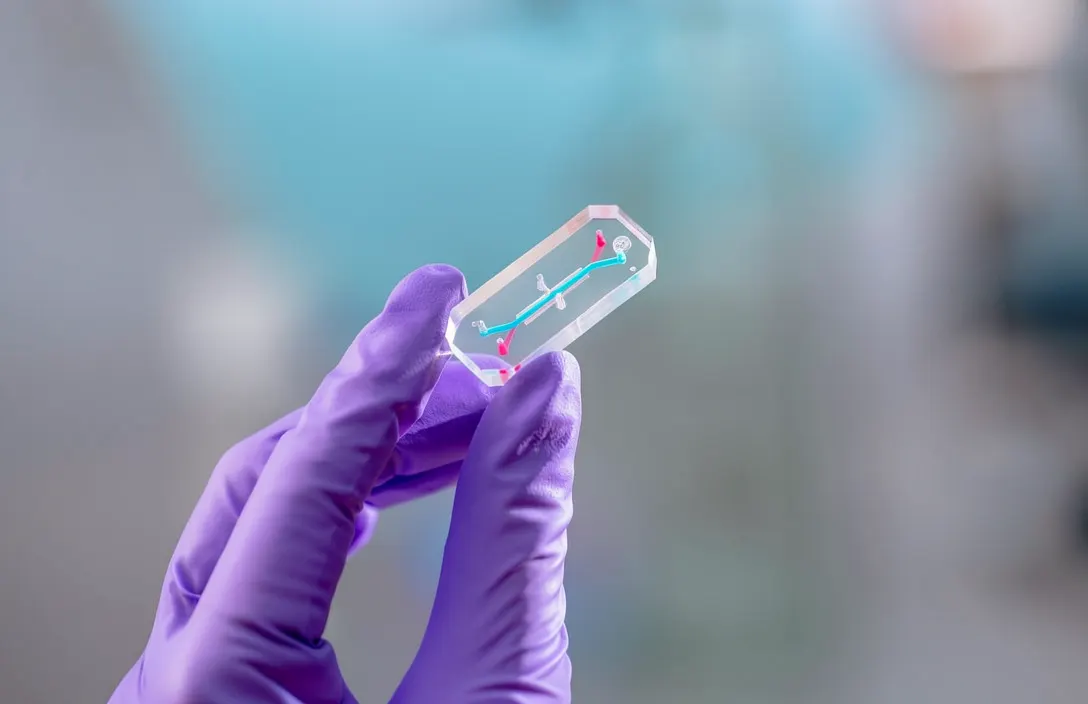
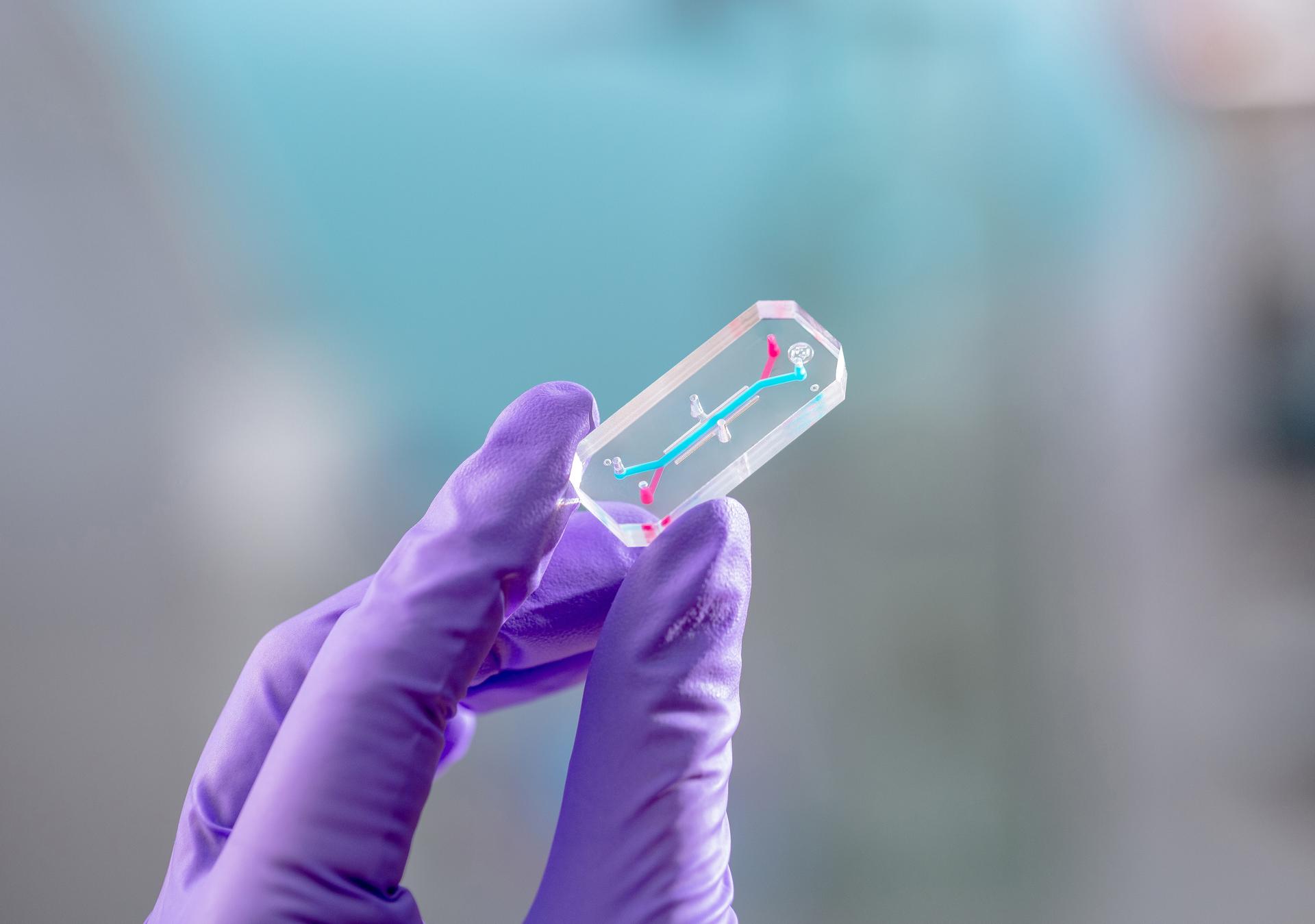
NASA's Biological and Physical Sciences (BPS) Division has initiated analysis of organ-on-a-chip devices that returned from the Artemis II mission, marking a significant milestone in personalized medicine for deep space exploration. The AVATAR (A Virtual Astronaut Tissue Analog Response) investigation used organ chips constructed from the cells of Artemis II astronauts, which were exposed to deep space conditions during a 10-day lunar flyby on April 10, 2026. These devices are now being studied to understand how spaceflight stressors, such as microgravity and increased radiation, affect human health at the cellular and molecular level (source ID: 1). [1]
Scientists at Emulate, the organization conducting the analysis, are comparing data from the space-exposed bone marrow chips with ground control chips and pre- and post-flight blood samples from the astronauts. This research aims to identify how individual astronauts respond to the unique challenges of spaceflight and inform the development of personalized medical kits and countermeasures for future deep space missions. The AVATAR investigation is a collaboration between NASA, multiple government agencies, and industry partners, with the goal of advancing understanding of human biology and disease, as well as developing preventative measures and personalized therapeutic treatments (source ID: 5). [5]
The AVATAR project is part of NASA's broader efforts to develop digital twin technologies that can simulate and predict individual astronaut health outcomes. These computational models integrate environmental, physiological, and multi-omics inputs to generate personalized, predictive insights. The BPS Digital AVATAR Challenge invites the scientific community to apply innovative computational digital twin technologies to accelerate biological discovery and predictions of astronaut health outcomes. Proposals must demonstrate a pathway to continuous model updating as new empirical data become available, reflecting the iterative nature of a true digital twin (source ID: 1). [1]
NASA’s Biological and Physical Sciences (BPS) Division conducts research on the International Space Station (ISS), a United States facility in low Earth orbit that enables long-duration experiments. The ISS provides a continuous and interactive research environment, similar to Earth-based laboratories, which allows scientists to conduct studies that are not possible on Earth. This facility is a critical platform for experiments in both biological and physical sciences, including investigations into how weightlessness and partial gravity affect living organisms and physical systems. The ISS supports research that advances understanding of biological adaptation, fluid behavior, and material properties in space. In 2020, the administrative oversight of BPS research was transferred from the Human Exploration and Operations Mission Directorate to the Science Mission Directorate (SMD), aligning its mission with NASA’s strategic goals for scientific discovery and exploration. [4]
Advertisement
The BPS Division administers several key programs, including the Space Biology Program, which investigates how gravity influences biological systems, and the Physical Sciences Program, which explores physical phenomena in microgravity and partial gravity environments. Additionally, the Commercially Enabled Rapid Space Science (CERISS) project aims to develop new research capabilities in partnership with the commercial space industry. Research is conducted on a variety of experimental platforms, ranging from ground-based analogs and drop towers that simulate weightlessness, to free-flyer satellites and the ISS. These platforms allow for the study of phenomena that are unique to space, such as fluid dynamics, combustion behavior, and biological responses to microgravity. The division also emphasizes the importance of data archiving through repositories like the NASA Open Science Data Repository, which combines GeneLab and the Ames Life Sciences Data Archive. [4]
BPS research is primarily funded through grants issued to academic, commercial, and government laboratories, with solicitations managed through the NSPIRES system. The division partners with NASA organizations, other government agencies, industry, and international entities to expand research opportunities and ensure broad participation in its scientific and technological initiatives. Research projects are typically solicited as team investigations to maximize scientific return, and results are tracked in the Task Book: Biological and Physical Sciences Division and Human Research Program. The BPS Division also seeks to enable future human spaceflight missions beyond low Earth orbit, supporting research that will be essential for long-duration exploration, such as missions to the Moon and Mars. Its work is guided by the NASA Strategic Plan and Decadal Survey, emphasizing scientific discovery and the application of research to future exploration missions. [4]
Sources
Prepared with AI assistance from the cited sources.
The Cali Reporter newsletter
The stories worth your time.
California, the country, and what comes next. Join our free newsletter for reporting that keeps you informed.
More in Science
- Volcanic Eruption Reshapes Iwo Jima’s Coastline
A recent volcanic eruption near Iwo Jima has temporarily extended the island's black sand beaches, though the longevity of the new land remains uncertain.
- Galaxies in the NGC 7771 Group Engage in Cosmic Merger
Astronomers have observed a group of galaxies in the NGC 7771 Group, which is located approximately 200 million light-years away in the constellation Pegasus. These galaxies are in the process of merging, a phenomenon…
- NASA Awards Contract for NOAA’s Near Earth Orbit Network Program
NASA has awarded a contract to Northrop Grumman Systems Corporation for the Sounder for Microwave-Based Applications (SMBA) instruments on NOAA’s Near Earth Orbit Network (NEON) satellites. The contract includes a…