NASA Recognizes Citizen Scientists for Contributions to Space Research
NASA has publicly acknowledged the contributions of citizen scientists who have played a pivotal role in advancing space research through their participation in various NASA-led projects.

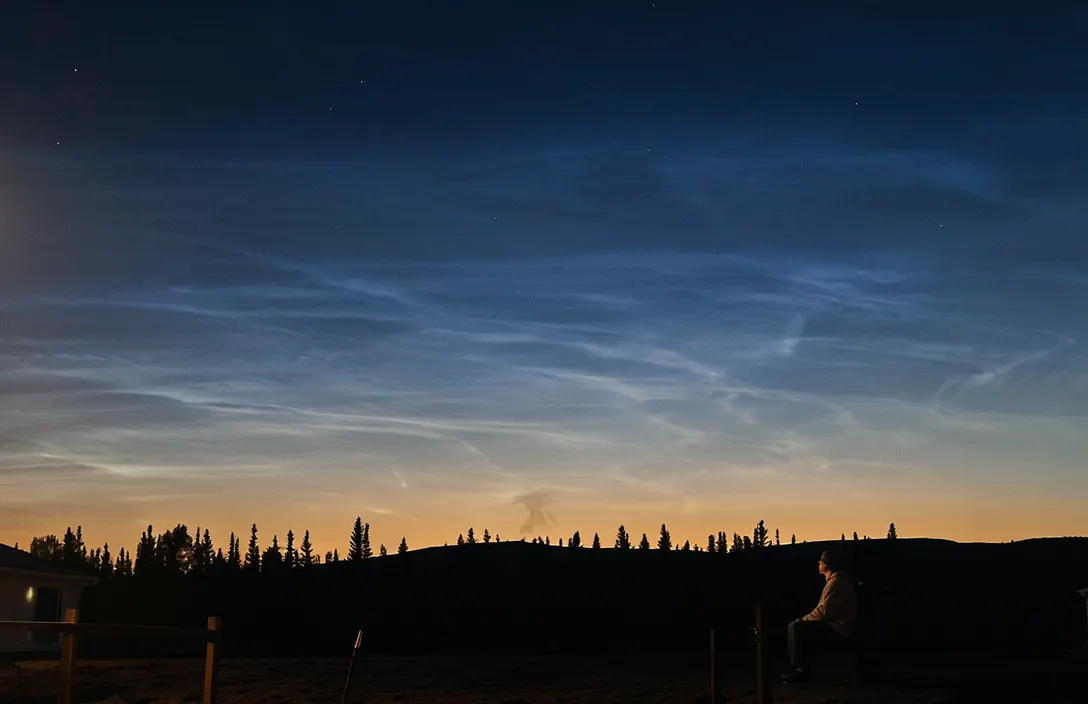
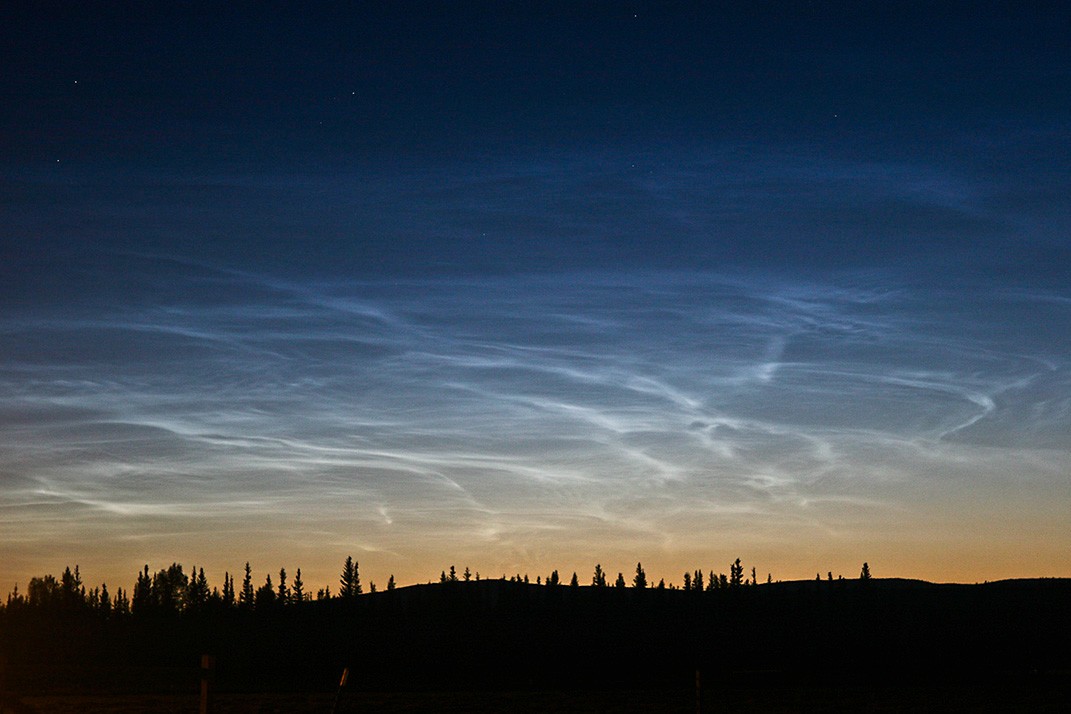
NASA has acknowledged the contributions of citizen scientists in advancing scientific research through various projects. According to the NASA Science Editorial Team, volunteers have played a crucial role in enabling discoveries by taking data, analyzing data, writing code, and even inventing their own science projects. This includes contributions from individuals such as Pirjo Koski, Huub Eggen, and Brian Scott, who have provided valuable data and insights for the Space Cloud Watch project (source ID: 1). [1]
In the Open Science Data Repository Analysis Working Groups (OSDR AWGs) project, high school students participated in a Machine Learning for Space Biology course and continued as citizen science volunteers. They analyzed retinal data from the International Space Station (ISS) Rodent Research-9 Mission and developed a machine learning ensemble that separates oxidative damage from cell death in the eyes of space-flown mice. These efforts were published in the scientific journal npj Microgravity (source ID: 1). [1]
Tim Sparks, a dedicated volunteer for the Snapshot Wisconsin project, has been recognized for his contributions to the Snapshot Phenology Project. Over the past two years, he helped pilot test protocols and set up equipment to measure snow depth, temperature, and sound recordings at his trail camera site. His efforts have been instrumental in the project's success (source ID: 1). [1]
NASA has acknowledged the contributions of citizen scientists in advancing scientific research through various projects. According to a NASA Science editorial, volunteers have enabled an incredible banquet of discoveries by taking data, analyzing data, writing code, writing papers, and even inventing their own science projects (source ID 1). This recognition highlights the significant role that non-experts play in scientific research, particularly in projects that rely on large-scale data collection and analysis. [1]
Advertisement
In the Open Science Data Repository Analysis Working Groups (OSDR AWGs) project, a cohort of high school students took NASA’s free Machine Learning for Space Biology course and then continued as citizen science volunteers. These students, guided by OSDR AWG members, mined open-access retinal data from the International Space Station (ISS) Rodent Research-9 Mission and trained a machine learning ensemble that separates oxidative damage from cell death in the eyes of space-flown mice (source ID 1). This work was published in the scientific journal npj Microgravity and resulted in co-authorship for the student volunteers. [1]
Tim Sparks, a dedicated volunteer for the Snapshot Wisconsin project, has been recognized for his contributions to the Snapshot Phenology Project. According to Kyra Shaw, project coordinator for Snapshot Wisconsin, Tim has been a dedicated volunteer for nearly 10 years and has gone above and beyond by helping to pilot test protocols and maintaining extra equipment to measure snow depth, temperature, and sound recordings at his Snapshot trail camera site (source ID 1). This kind of long-term commitment is essential for the success of such projects, which rely on consistent data collection over extended periods. [1]
NASA has expressed gratitude to citizen scientists and volunteers for their contributions to scientific research, as highlighted in a Thanksgiving message on the NASA Science website. Volunteers have enabled significant discoveries by taking data, analyzing data, writing code, and even inventing their own science projects. Chihoko Cullens, principal investigator of the Space Cloud Watch project, thanked participants such as Pirjo Koski, Huub Eggen, and Brian Scott for their contributions to the project, including the development of a Field Guide for new citizen scientists (source ID 1). [1]
A cohort of high school students participated in NASA’s free Machine Learning for Space Biology course and continued as citizen science volunteers in the Open Science Data Repository Analysis Working Groups (OSDR AWGs) project. These students mined open-access retinal data from the International Space Station (ISS) Rodent Research-9 Mission and trained a machine learning ensemble that separates oxidative damage from cell death in the eyes of space-flown mice. This research was published in the scientific journal npj Microgravity (source ID 1). [1]
Advertisement
Tim Sparks, a dedicated volunteer for the Snapshot Wisconsin project, has been recognized for his contributions to the Snapshot Phenology Project. Kyra Shaw, project coordinator for Snapshot Wisconsin, noted that Tim has been a volunteer for nearly 10 years and has gone above and beyond by helping to pilot test protocols and maintaining extra equipment to measure snow depth, temperature, and sound recordings at his Snapshot trail camera site (source ID 1). [1]
Sources
Prepared with AI assistance from the cited sources.
The Cali Reporter newsletter
The stories worth your time.
California, the country, and what comes next. Join our free newsletter for reporting that keeps you informed.
More in Science
- Volcanic Eruption Reshapes Iwo Jima’s Coastline
A recent volcanic eruption near Iwo Jima has temporarily extended the island's black sand beaches, though the longevity of the new land remains uncertain.
- Galaxies in the NGC 7771 Group Engage in Cosmic Merger
Astronomers have observed a group of galaxies in the NGC 7771 Group, which is located approximately 200 million light-years away in the constellation Pegasus. These galaxies are in the process of merging, a phenomenon…
- NASA Awards Contract for NOAA’s Near Earth Orbit Network Program
NASA has awarded a contract to Northrop Grumman Systems Corporation for the Sounder for Microwave-Based Applications (SMBA) instruments on NOAA’s Near Earth Orbit Network (NEON) satellites. The contract includes a…