NASA Conducts RS-25 Engine Test for Artemis Missions
NASA conducted a test of the RS-25 engine, a critical component for future Artemis missions, on November 18, 2026, providing valuable data for improving engine performance and reliability.

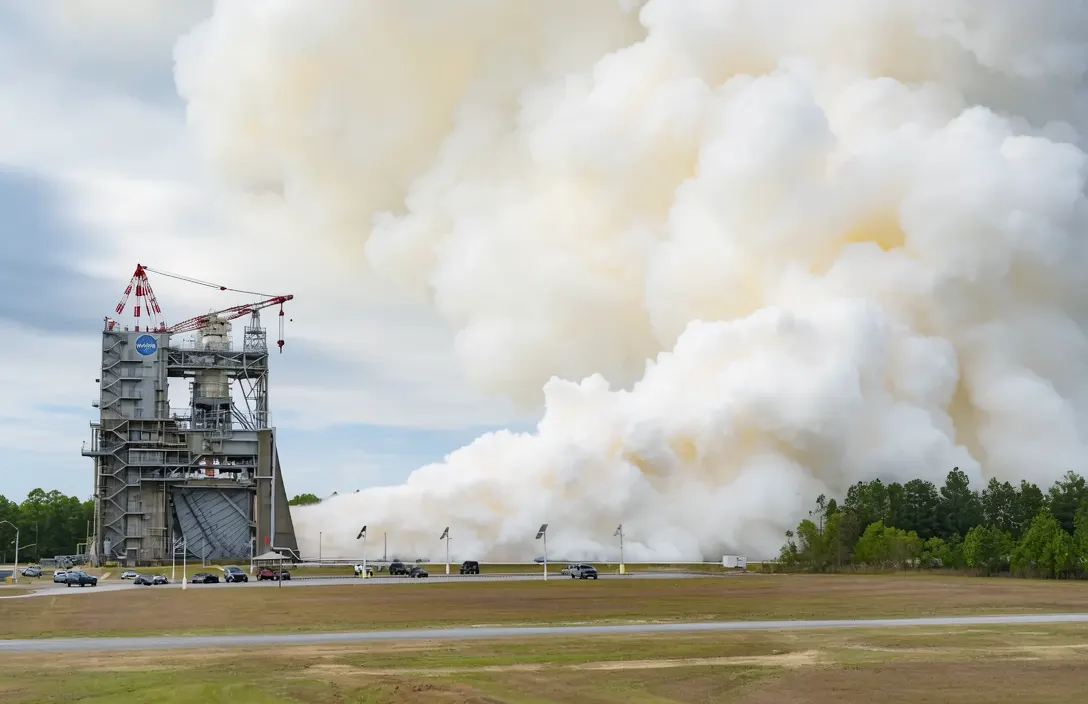
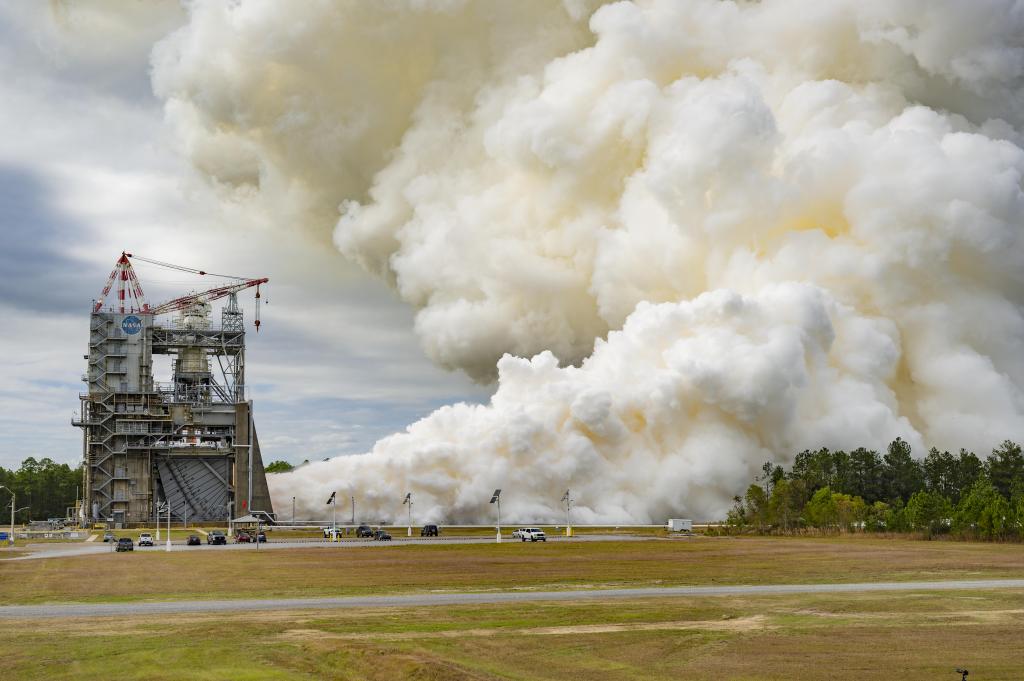
On November 18, 2026, NASA tested RS-25 engine No. 10001 on the Fred Haise Test Stand at NASA’s Stennis Space Center near Bay St. Louis, Mississippi, as reported by NASA. The developmental engine was fired for a planned duration of three minutes and 20 seconds (200 seconds). This test, while not involving a flightworthy engine, allows NASA and its prime contractor L3Harris Technologies to collect critical data to enhance engine performance and reliability for future Artemis missions (source ID: 1). [1]
The Artemis IV Moon landing mission, scheduled for 2028, will utilize the SLS rocket to launch astronauts aboard the Orion spacecraft from NASA’s Kennedy Space Center in Florida. This mission is a key step toward NASA’s broader goals of exploring the lunar South Pole, establishing a human presence on the Moon, and preparing for the first crewed mission to Mars (source ID: 1). [1]
Each Artemis mission will rely on four RS-25 engines, which together produce up to 2 million pounds of combined thrust to launch the SLS rocket. All RS-25 engines are tested and proven flightworthy at NASA Stennis prior to use, with tests conducted by a team of operators from NASA, L3Harris, and Nova Space Solutions (source ID: 1). [1]
On November 18, 2026, NASA tested RS-25 engine No. 10001 on the Fred Haise Test Stand at NASA’s Stennis Space Center near Bay St. Louis, Mississippi (Source ID: 1). The developmental engine was fired for the planned duration of three minutes and 20 seconds (200 seconds). This test is part of NASA's efforts to gather critical data to improve engine performance and reliability for future Artemis missions. The engine tested will not be used in flight, but the data collected will be vital for the Artemis IV mission. [1]
Advertisement
The Artemis IV Moon landing mission, scheduled for 2028, will utilize the Space Launch System (SLS) rocket to launch astronauts aboard the Orion spacecraft from NASA’s Kennedy Space Center in Florida (Source ID: 1). This mission is a key step in NASA’s broader goals to explore the lunar South Pole, establish an enduring human presence on the lunar surface, and build on the agency’s foundation for the first crewed mission to Mars. Each Artemis mission will rely on four RS-25 engines, which together produce up to 2 million pounds of combined thrust to launch the SLS rocket. [1]
All RS-25 engines are tested and proven flightworthy at NASA Stennis prior to use. Tests are conducted by a team of operators from NASA, L3Harris, and Nova Space Solutions (Source ID: 1). NASA's Artemis program also includes educational initiatives aimed at inspiring the next generation of explorers, engineers, and scientists through hands-on learning experiences and interactive tools (Source ID: 2). [1] [2]
On November 18, 2026, NASA tested RS-25 engine No. 10001 on the Fred Haise Test Stand at NASA’s Stennis Space Center near Bay St. Louis, Mississippi. The test, which lasted for three minutes and 20 seconds (200 seconds), was conducted to gather data that will improve the performance and reliability of the engine for future Artemis missions (Source ID: 1). [1]
The Artemis IV Moon landing mission, scheduled for 2028, will utilize the Space Launch System (SLS) rocket to launch astronauts aboard the Orion spacecraft from NASA’s Kennedy Space Center in Florida. This mission is a key step in NASA’s broader goals, including exploring the lunar South Pole and establishing an enduring human presence on the lunar surface (Source ID: 1). [1]
Advertisement
Each Artemis mission will rely on four RS-25 engines, which together produce up to 2 million pounds of combined thrust to launch the SLS rocket. All RS-25 engines are tested and proven flightworthy at NASA Stennis prior to use, with tests conducted by a team of operators from NASA, L3Harris, and Nova Space Solutions (Source ID: 1). [1]
On November 18, 2026, NASA tested RS-25 engine No. 10001 on the Fred Haise Test Stand at NASA’s Stennis Space Center near Bay St. Louis, Mississippi (Source ID: 1). The test lasted for three minutes and 20 seconds (200 seconds), providing critical data to improve engine performance and reliability for future Artemis missions. This developmental engine, although not used in flight, is part of NASA’s ongoing efforts to ensure the safety and efficiency of the engines that will power the Space Launch System (SLS) rocket. [1]
The Artemis IV Moon landing mission, scheduled for 2028, will utilize the SLS rocket to launch astronauts aboard the Orion spacecraft from NASA’s Kennedy Space Center in Florida (Source ID: 1). This mission is a key step in NASA’s broader goals to explore the lunar South Pole, establish an enduring human presence on the lunar surface, and build on the agency’s foundation for the first crewed mission to Mars. Each Artemis mission will rely on four RS-25 engines, which together produce up to 2 million pounds of combined thrust to launch the SLS rocket. [1]
All RS-25 engines are tested and proven flightworthy at NASA Stennis prior to use (Source ID: 1). Tests are conducted by a team of operators from NASA, L3Harris, and Nova Space Solutions. These rigorous evaluations are essential to ensuring the reliability and performance of the engines that will power future Artemis missions and support NASA’s long-term exploration goals. [1]
Advertisement
The Cali Reporter newsletter
The stories worth your time.
California, the country, and what comes next. Join our free newsletter for reporting that keeps you informed.
More in Science
- Volcanic Eruption Reshapes Iwo Jima’s Coastline
A recent volcanic eruption near Iwo Jima has temporarily extended the island's black sand beaches, though the longevity of the new land remains uncertain.
- Galaxies in the NGC 7771 Group Engage in Cosmic Merger
Astronomers have observed a group of galaxies in the NGC 7771 Group, which is located approximately 200 million light-years away in the constellation Pegasus. These galaxies are in the process of merging, a phenomenon…
- NASA Awards Contract for NOAA’s Near Earth Orbit Network Program
NASA has awarded a contract to Northrop Grumman Systems Corporation for the Sounder for Microwave-Based Applications (SMBA) instruments on NOAA’s Near Earth Orbit Network (NEON) satellites. The contract includes a…