NASA Announces Coverage for Upcoming Northrop Grumman CRS-25 Launch
NASA has announced coverage for the upcoming Northrop Grumman CRS-25 launch, which will deliver science investigations, supplies, and equipment to the International Space Station.

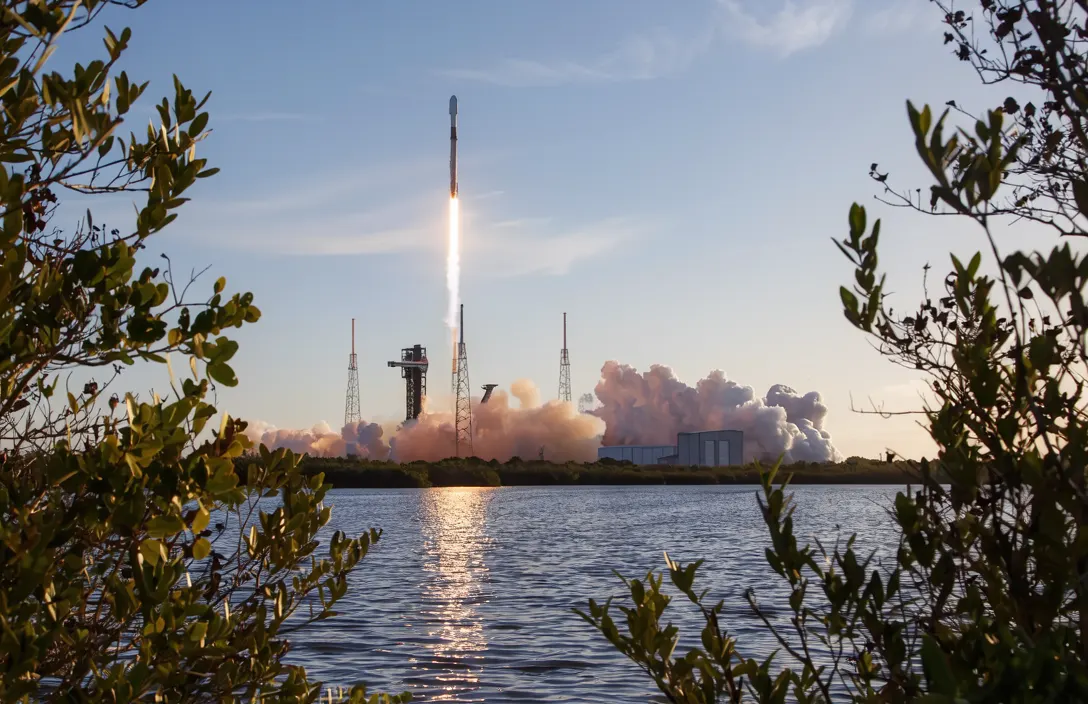
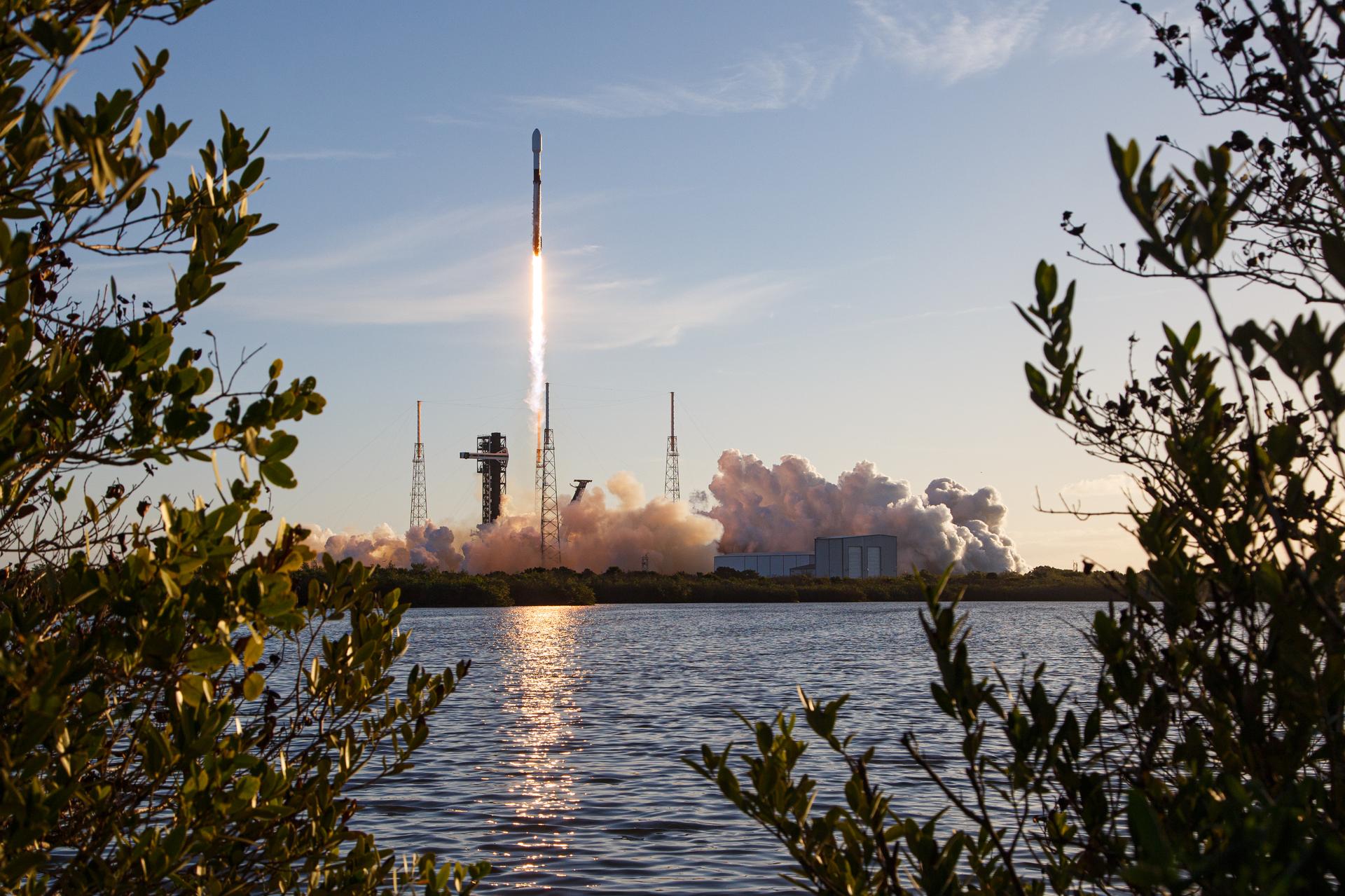
NASA, Northrop Grumman, and SpaceX are targeting no earlier than 10:47 a.m. EST, Sunday, Nov. 29, for the next launch delivering science investigations, supplies, and equipment to the International Space Station. The agency will hold a prelaunch media teleconference on Monday, Nov. 23 (source ID: 1). The Northrop Grumman Cygnus XL spacecraft, aboard a SpaceX Falcon 9 rocket, will launch from Space Launch Complex 40 at Cape Canaveral Space Force Station in Florida. The mission is known as NASA’s Northrop Grumman Commercial Resupply Services 25, or Northrop Grumman CRS-25 (source ID: 1). [1]
After arriving at the International Space Station, NASA astronauts Jessica Watkins and Luke Delaney, who are living and working aboard the space station, will use the Canadarm2 robotic arm to capture the Cygnus XL on Tuesday, Dec. 1. Ground controllers then will install it to the Unity module’s Earth-facing port for cargo unloading. NASA’s live launch and docking coverage will stream through a variety of platforms (source ID: 1). [1]
Highlights of space station research and technology demonstrations being delivered aboard this Cygnus XL spacecraft include experiments to improve drug delivery for cancer and osteoarthritis, predict cancer spread, and advance treatments for muscle loss, as well as improve radiation sensing and advance food production for future long-duration missions. The spacecraft is scheduled to remain at the orbiting laboratory until May 2027, then depart with several thousand pounds of disposal items and other unneeded cargo, burning up harmlessly during re-entry (source ID: 1). [1]
NASA, Northrop Grumman, and SpaceX are targeting no earlier than 10:47 a.m. EST, Sunday, Nov. 29, for the next launch delivering science investigations, supplies, and equipment to the International Space Station (Source ID: 1). The mission is known as NASA’s Northrop Grumman Commercial Resupply Services 25, or Northrop Grumman CRS-25. The Northrop Grumman Cygnus XL spacecraft, aboard a SpaceX Falcon 9 rocket, will launch from Space Launch Complex 40 at Cape Canaveral Space Force Station in Florida. This mission highlights the collaboration between NASA, Northrop Grumman, and SpaceX in supporting scientific research and maintaining operations aboard the International Space Station. [1]
Advertisement
After arriving at the International Space Station, NASA astronauts Jessica Watkins and Luke Delaney, who are living and working aboard the space station, will use the Canadarm2 robotic arm to capture the Cygnus XL on Tuesday, Dec. 1. Ground controllers then will install it to the Unity module’s Earth-facing port for cargo unloading (Source ID: 1). The spacecraft is scheduled to remain at the orbiting laboratory until May 2027, then depart with several thousand pounds of disposal items and other unneeded cargo, burning up harmlessly during re-entry. This highlights the importance of resupply missions in ensuring the continuity of research and operations aboard the International Space Station. [1]
Highlights of space station research and technology demonstrations being delivered aboard this Cygnus XL spacecraft include experiments to improve drug delivery for cancer and osteoarthritis, predict cancer spread, and advance treatments for muscle loss, as well as improve radiation sensing and advance food production for future long-duration missions (Source ID: 1). These experiments underscore the critical role that resupply missions play in advancing scientific knowledge and supporting the long-term goals of human space exploration. [1]
NASA, Northrop Grumman, and SpaceX are targeting no earlier than 10:47 a.m. EST, Sunday, Nov. 29, for the next launch delivering science investigations, supplies, and equipment to the International Space Station (Source ID: 1). The mission, known as NASA’s Northrop Grumman Commercial Resupply Services 25 (CRS-25), will utilize the Northrop Grumman Cygnus XL spacecraft, launched aboard a SpaceX Falcon 9 rocket from Space Launch Complex 40 at Cape Canaveral Space Force Station in Florida (Source ID: 1). The spacecraft is named the S.S. James “Jim” A. Lovell in honor of the former NASA astronaut, who flew four missions, including Gemini VII, Gemini XII, Apollo 8, and the Apollo 13 mission around the Moon (Source ID: 1). [1]
The Cygnus XL spacecraft will deliver approximately 11,000 pounds of cargo, including experiments to improve drug delivery for cancer and osteoarthritis, predict cancer spread, and advance treatments for muscle loss, as well as improve radiation sensing and advance food production for future long-duration missions (Source ID: 1). After arriving at the International Space Station, NASA astronauts Jessica Watkins and Luke Delaney, who are living and working aboard the space station, will use the Canadarm2 robotic arm to capture the Cygnus XL on Tuesday, Dec. 1 (Source ID: 1). Ground controllers will then install it to the Unity module’s Earth-facing port for cargo unloading (Source ID: 1). [1]
Advertisement
NASA’s live launch and docking coverage will stream through a variety of platforms, including the NASA website and social media channels such as X, Facebook, and Instagram (Source ID: 1). The spacecraft is scheduled to remain at the orbiting laboratory until May 2027, after which it will depart with several thousand pounds of disposal items and other unneeded cargo, burning up harmlessly during re-entry (Source ID: 1). Additional prelaunch updates will be available on NASA’s space station blog, and members of the public can register to attend the launch virtually through NASA’s virtual guest program (Source ID: 1). [1]
NASA, Northrop Grumman, and SpaceX are targeting no earlier than 10:47 a.m. EST, Sunday, Nov. 29, for the next launch delivering science investigations, supplies, and equipment to the International Space Station (Source ID: 1). The mission, known as NASA’s Northrop Grumman Commercial Resupply Services 25, or Northrop Grumman CRS-25, involves the Cygnus XL spacecraft, which will be launched aboard a SpaceX Falcon 9 rocket from Space Launch Complex 40 at Cape Canaveral Space Force Station in Florida. This launch marks a significant step in the ongoing effort to support research and technological demonstrations aboard the space station. [1]
The Cygnus XL spacecraft is filled with approximately 11,000 pounds of cargo, including experiments to improve drug delivery for cancer and osteoarthritis, predict cancer spread, and advance treatments for muscle loss, as well as improve radiation sensing and advance food production for future long-duration missions (Source ID: 1). These experiments are crucial for advancing medical science and ensuring the safety and well-being of astronauts on extended missions in space. The spacecraft is scheduled to remain at the orbiting laboratory until May 2027, after which it will depart with several thousand pounds of disposal items and other unneeded cargo, burning up harmlessly during re-entry. [1]
NASA’s live launch and docking coverage will stream through a variety of platforms, including the NASA website and social media channels such as X, Facebook, and Instagram (Source ID: 1). Members of the public can register to attend this launch virtually, and NASA’s virtual guest program includes curated launch resources and notifications about related opportunities or changes. Additionally, the agency will hold a prelaunch media teleconference on Monday, Nov. 23, to provide updates and answer questions from the media and the public. [1]
Advertisement
Sources
Prepared with AI assistance from the cited sources.
The Cali Reporter newsletter
The stories worth your time.
California, the country, and what comes next. Join our free newsletter for reporting that keeps you informed.
More in Science
- Volcanic Eruption Reshapes Iwo Jima’s Coastline
A recent volcanic eruption near Iwo Jima has temporarily extended the island's black sand beaches, though the longevity of the new land remains uncertain.
- Galaxies in the NGC 7771 Group Engage in Cosmic Merger
Astronomers have observed a group of galaxies in the NGC 7771 Group, which is located approximately 200 million light-years away in the constellation Pegasus. These galaxies are in the process of merging, a phenomenon…
- NASA Awards Contract for NOAA’s Near Earth Orbit Network Program
NASA has awarded a contract to Northrop Grumman Systems Corporation for the Sounder for Microwave-Based Applications (SMBA) instruments on NOAA’s Near Earth Orbit Network (NEON) satellites. The contract includes a…