Myanmar Found Guilty of Genocide Against Rohingya
The International Court of Justice has ruled that Myanmar committed genocide against the Rohingya minority, marking a historic first in international law.

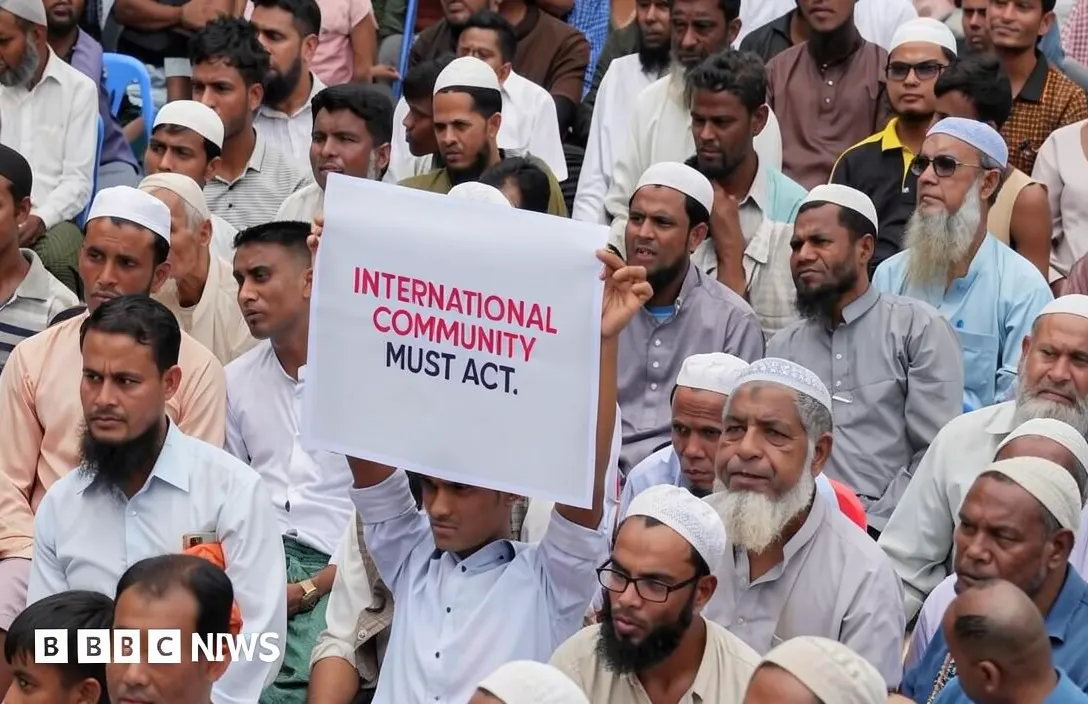

The International Court of Justice (ICJ) has found Myanmar guilty of committing genocide against its Rohingya minority, the first time a state has been found responsible for genocide by an international court (1). The verdict, delivered by a majority of nine judges to six, determined that Myanmar had the 'intention to destroy' a substantial part of the Rohingya population and engaged in 'extensive destruction of evidence' to conceal its crimes (1). The court found that 'genocidal intent is the only reasonable inference that can be drawn from the evidence' it had reviewed (1). [1]
The ruling centers on the 2017 'clearance operations' in Rakhine State, where thousands of Rohingya were killed and more than 700,000 fled to Bangladesh (1). The ICJ determined that approximately 10,000 Rohingya were 'violently killed' during the operation, while over 815,000 were targeted in some way (1). The court also found that Myanmar's military engaged in 'indiscriminate' killings, the execution of men, 'widespread' sexual violence, and the deliberate burning of Rohingya homes (1). [1]
Myanmar denied the allegations, claiming its forces had responded to attacks by the Arakan Rohingya Salvation Army (Arsa) (1). However, the ICJ found that there was an 'overlap' between an 'anti-Rohingya hate speech campaign' and the clearance operations, which made violence against the population more likely (1). The court also noted policies like limiting married couples to two children, which were discriminatory and aimed to erode the Rohingya's rights (1). [1]
The International Court of Justice (ICJ) has found Myanmar guilty of committing genocide against its Rohingya minority, the first time a state has been found responsible for genocide by an international court (1). The ruling centers on the 2017 'clearance operations' in Rakhine State, where thousands of Rohingya were killed and more than 700,000 fled to Bangladesh (1). ICJ President Yuji Iwasawa stated that Myanmar had the 'intention to destroy' a substantial part of the Rohingya population and engaged in 'extensive destruction of evidence' to hide its crimes (1). [1]
Advertisement
The court determined that approximately 10,000 Rohingya were 'violently killed' during the clearance operation, while more than 700,000 are thought to have fled to Bangladesh by foot or by sea. The court found that approximately 815,000 had been targeted in some way (1). The ICJ also found that Myanmar's military engaged in 'indiscriminate' killings, the execution of men, 'widespread' sexual violence, 'extreme violence' against children, and the deliberate burning of Rohingya homes (1). [1]
The case brought by The Gambia centered around the 'clearance operations' initiated in 2017 in Rakhine State, where many of the Rohingya Muslim minority resided. After fighters from the Arakan Rohingya Salvation Army (Arsa) launched deadly attacks on more than 30 police posts there, Myanmar troops, backed by local Buddhist mobs, launched a wave of violence, prompting a mass exodus of Rohingya (1). The ICJ recognized the role of Arsa but found that there had been 'overlap' between an 'anti-Rohingya hate speech campaign' and the clearance operations that made violence against the population more likely (1). [1]
The ICJ determined that Myanmar had the "intention to destroy" a substantial part of the Rohingya population and engaged in "extensive destruction of evidence" to hide its crimes (1). The court found that approximately 10,000 Rohingya were "violently killed" during the clearance operation, while more than 700,000 are thought to have fled to Bangladesh by foot or by sea (1). The verdict was reached by a majority of nine votes to six among a panel of judges from around the world (1). [1]
The case brought by The Gambia centered around the "clearance operations" initiated in 2017 in Rakhine State, where many of the Rohingya Muslim minority resided (1). After fighters from the Arakan Rohingya Salvation Army (Arsa) launched deadly attacks on more than 30 police posts there, Myanmar troops, backed by local Buddhist mobs, launched a wave of violence, prompting a mass exodus of Rohingya (1). Refugees recounted entire villages being burned down and the mass killing of civilians (1). [1]
Advertisement
The ICJ found that Myanmar's military engaged in "indiscriminate" killings, the execution of men, "widespread" sexual violence, "extreme violence" against children, and the deliberate burning of Rohingya homes (1). It also found that policies like limiting married couples to two children were discriminatory and aimed to erode the rights of the Rohingya (1). The court said Myanmar had an obligation to pay proportionate reparations, but said an exact figure could be determined at a later date (1). [1]
The ICJ found that Myanmar had the 'intention to destroy' a substantial part of the Rohingya population and engaged in 'extensive destruction of evidence' to hide its crimes (1). The court determined that approximately 10,000 Rohingya were 'violently killed' during the clearance operation, while more than 700,000 are thought to have fled to Bangladesh by foot or by sea (1). The case brought by The Gambia centered around the 'clearance operations' initiated in 2017 in Rakhine State, where many of the Rohingya Muslim minority resided (1). [1]
The court found that Myanmar's military engaged in 'indiscriminate' killings, the execution of men, 'widespread' sexual violence, 'extreme violence' against children, and the deliberate burning of Rohingya homes (1). The ICJ also found in favor by majority that Myanmar had violated several other parts of the 1948 Genocide Convention (1). The ruling was reached by a majority of nine votes to six among a panel of judges from around the world (1). [1]
The ICJ determined that policies such as limiting married couples to two children were discriminatory and aimed to erode the Rohingya's rights (1). Myanmar consistently denied genocide against the Rohingya, saying its operations had targeted militant or insurgent threats in response to the Arsa attacks (1). The court's decision was welcomed by Rohingya communities and human rights groups, who described it as 'formal recognition of our suffering' (1). [1]
Advertisement
The Cali Reporter newsletter
The stories worth your time.
California, the country, and what comes next. Join our free newsletter for reporting that keeps you informed.
More in World
- Anthropic's Record-Breaking IPO Tests Investor Confidence in AI
Anthropic's initial public offering (IPO) has drawn significant attention as it marks the first major AI company to go public, raising $81 billion and valuing the firm at $2 trillion on its first day of trading.
- Glampsite Owner Challenges Legal Costs After Neighbors' Parking Dispute
A glampsite owner is appealing a court ruling that requires her to pay £135,000 in legal costs after a dispute with her neighbors over a shared driveway and parking rights.
- International Court of Justice Rules Myanmar Committed Genocide Against Rohingya
The International Court of Justice has ruled that Myanmar's security forces committed genocide against the Rohingya, marking a historic judgment in international law.