International Court of Justice Rules Myanmar Committed Genocide Against Rohingya
The International Court of Justice has ruled that Myanmar's security forces committed genocide against the Rohingya, marking a historic judgment in international law.

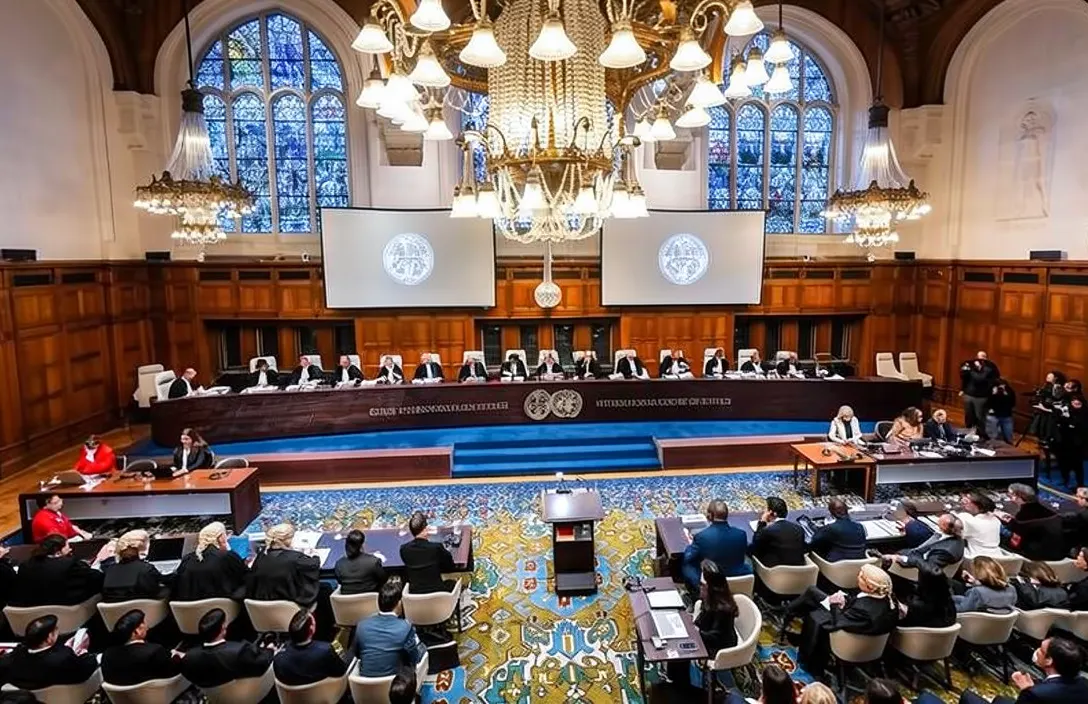
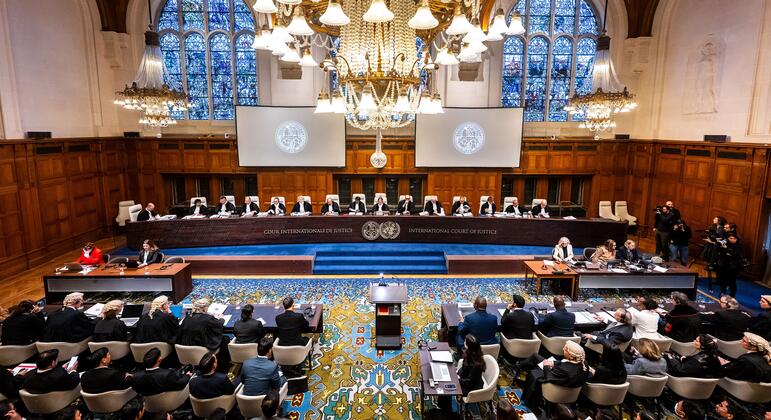
The International Court of Justice (ICJ) has ruled that Myanmar's security forces and other state organs committed acts covered by Article II of the Genocide Convention, including killing members of a group, causing serious bodily or mental harm, and imposing measures intended to prevent births within the group (UN News, 2026). This judgment follows a three-hour ruling by the ICJ in The Hague, where the court examined graphic evidence and testimonies from survivors, as well as reports from international investigators detailing the extreme violence against Rohingya communities in Rakhine state during military clearance operations in 2017 (UN News, 2026). [1]
The ICJ's ruling highlights that the 2017 clearance operations in northern Rakhine state prompted widespread international condemnation, with approximately 700,000 Rohingya fleeing to Bangladesh. The court cited evidence indicating that an estimated 10,000 Rohingya were killed during these operations, with testimonies from survivors describing the destruction of villages, the execution of men and boys, and the rape of women and girls (UN News, 2026). Additionally, the court noted that the military operations involved the murder of infants, which supports the inference that Myanmar's security forces acted with the intent to prevent births among the Rohingya group (UN News, 2026). [1]
The case was initiated by The Gambia in November 2019 and has become one of the most closely watched proceedings before the world's highest court. The ICJ ordered Myanmar to cease ongoing violations, investigate all persons suspected of committing acts contrary to the Genocide Convention, and provide assurances and guarantees of non-repetition. The court also mandated that Myanmar adopt measures of restitution, including allowing the safe and voluntary return of displaced Rohingya, and compensate the group for the damage caused (UN News, 2026). [1]
The International Court of Justice (ICJ) has ruled that Myanmar's security forces and other state organs committed acts covered by Article II of the Genocide Convention, including killing members of a group, causing serious bodily or mental harm, and imposing measures intended to prevent births within the group (UN News, 2026). The ruling, delivered after a three-hour session at the ICJ in The Hague, was presided over by President Yuji Iwasawa of Japan, who stated that Myanmar had failed to prevent and punish genocide. The court found that Myanmar's military had committed 'extreme violence' against mainly Muslim Rohingya communities in Rakhine state. The UN Secretary-General António Guterres welcomed the judgment, calling it a 'powerful recognition of the Rohingya victims of genocide.' [1]
Advertisement
The ICJ ruling established that Myanmar’s security forces 'and other State organs' intentionally committed specifically prohibited acts covered by Article II of the Genocide Convention. These include Article II(a) – killing members of a group, Article II(b) – causing serious bodily or mental harm to members of the group, and Article II(d) – imposing measures intended to prevent births within the group. The court based its findings on graphic evidence, testimonies from survivors, and reports from international investigators detailing how Rohingya villages and bridges had been set alight and bulldozed, with men and boys executed and girls and women raped during military clearance operations in northern Rakhine in 2017. The military operations also involved the murder of infants, which 'supports the inference that Myanmar’s security forces acted with the intent to prevent births among the group,' Judge Iwasawa stated. [1]
The 2017 clearance operations prompted widespread international condemnation after some 700,000 Rohingya fled northern Rakhine state across the border to Bangladesh. According to the court, an estimated 10,000 Rohingya were killed during the clearance operations. The case at the ICJ was initiated by The Gambia in November 2019 and has become one of the most closely watched proceedings before the world’s highest court. Survivors’ testimonies were presented by witnesses from the Rakhine state villages of Min Gyi, Chut Pyin, and Maung Nu. In addition, one witness called by Myanmar gave an account of an attack in which Rohingya insurgents, the Arakan Rohingya Salvation Army (ARSA), allegedly killed around 100 civilians. [1]
The International Court of Justice (ICJ) has ruled that Myanmar's security forces and other state organs committed acts covered by Article II of the Genocide Convention, including killing members of a group, causing serious bodily or mental harm, and imposing measures intended to prevent births within the group (UN News, 2026). The ruling was delivered after a three-hour session at the ICJ in The Hague, with President Yuji Iwasawa stating that Myanmar had failed to prevent and punish genocide. The court found that Myanmar's military had perpetrated 'extreme violence' against mainly Muslim Rohingya communities in Rakhine state. [1]
The ICJ ruling established that Myanmar’s security forces 'and other State organs' intentionally committed specifically prohibited acts covered by Article II of the Genocide Convention (UN News, 2026). These acts include killing members of a group, causing serious bodily or mental harm, and imposing measures intended to prevent births within the group. The court studied graphic evidence and testimonies provided by survivors, as well as reports from international investigators, detailing how Rohingya villages and bridges had been set alight and bulldozed during the 2017 clearance operations. [1]
Advertisement
The 2017 clearance operations prompted widespread international condemnation after some 700,000 Rohingya fled northern Rakhine state across the border to Bangladesh (UN News, 2026). The court estimated that 10,000 Rohingya were killed during these operations, citing supporting evidence. The case at the ICJ was initiated by The Gambia in November 2019 and has become one of the most closely watched proceedings before the world’s highest court. [1]
The ICJ ruling highlights that the 2017 clearance operations in northern Rakhine state prompted widespread international condemnation, with approximately 700,000 Rohingya fleeing to Bangladesh (UN News, 2026). According to the court, an estimated 10,000 Rohingya were killed during the clearance operations, citing supporting evidence. The case was initiated by The Gambia in November 2019 and has become one of the most closely watched proceedings before the world’s highest court. The ruling was based on graphic evidence and testimonies provided by survivors, as well as reports from international investigators describing the destruction of Rohingya villages and the systematic violence against the community. [1]
The ICJ President, Yuji Iwasawa, detailed how Myanmar’s military had perpetrated 'extreme violence' against mainly Muslim Rohingya communities in Rakhine state. The court heard testimonies from three witnesses from the Rakhine state villages of Min Gyi, Chut Pyin, and Maung Nu, as well as an account from a witness called by Myanmar regarding an attack by Rohingya insurgents. The ruling establishes that the military clearance operations involved the murder of infants, which 'supports the inference that Myanmar’s security forces acted with the intent to prevent births among the group' (UN News, 2026). [1]
As a consequence of these breaches of the Genocide Convention, the Court ordered Myanmar to cease any ongoing violations by enacting legislation giving full effect to its obligations under the Convention (UN News, 2026). Additionally, the ruling mandates that Myanmar take immediate and effective steps to investigate all persons reasonably suspected of having committed acts contrary to the Convention and, if warranted, to prosecute and punish them. The Court also ordered Myanmar to provide assurances and guarantees of non-repetition and prevent similar violations from occurring in the future. [1]
Advertisement
The Cali Reporter newsletter
The stories worth your time.
California, the country, and what comes next. Join our free newsletter for reporting that keeps you informed.
More in World
- Myanmar Found Guilty of Genocide Against Rohingya
The International Court of Justice has ruled that Myanmar committed genocide against the Rohingya minority, marking a historic first in international law.
- Anthropic's Record-Breaking IPO Tests Investor Confidence in AI
Anthropic's initial public offering (IPO) has drawn significant attention as it marks the first major AI company to go public, raising $81 billion and valuing the firm at $2 trillion on its first day of trading.
- Glampsite Owner Challenges Legal Costs After Neighbors' Parking Dispute
A glampsite owner is appealing a court ruling that requires her to pay £135,000 in legal costs after a dispute with her neighbors over a shared driveway and parking rights.