Muslims to Outnumber Christians by 2035, Pew Research Reports
According to a new report by the Pew Research Center, Muslims are projected to become the largest religious group on the planet by 2035, surpassing Christians for the first time in history.

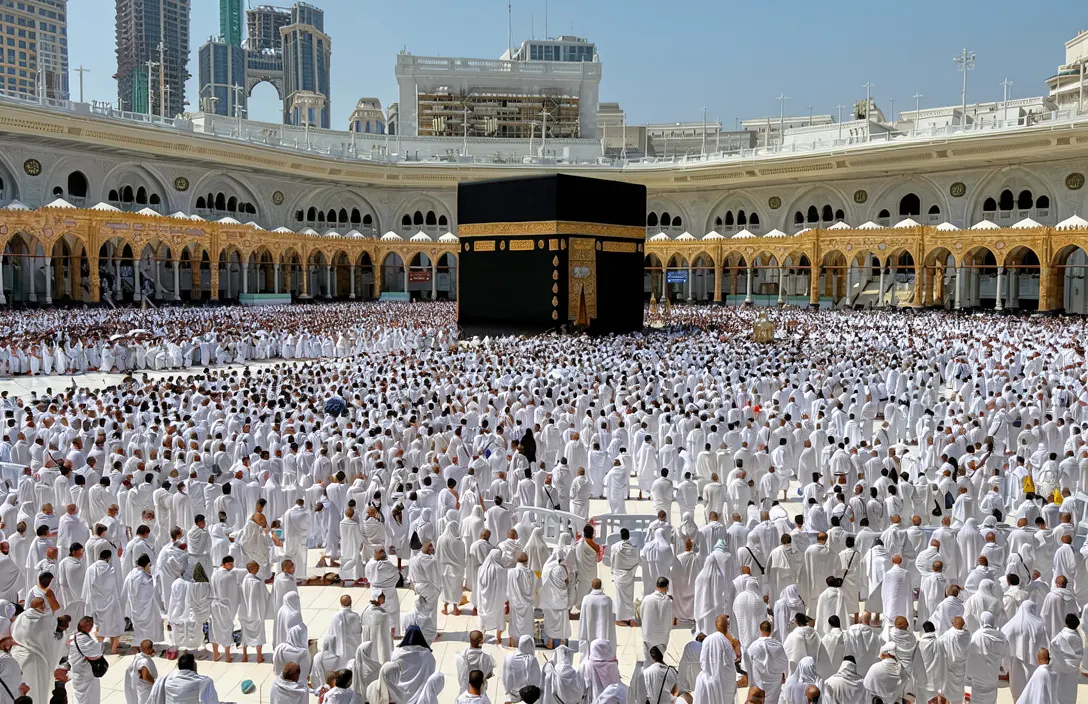

According to a report by the Pew Research Center, Muslims will outnumber Christians by 2035, becoming the largest religious group on the planet. Christians are expected to remain the second-largest religious group by that year, though the Muslim population is projected to grow faster than the Christian one. The Pew Research Center used data from national censuses, fertility rates, religious switching patterns, United Nations reports, and global migration estimates to make these projections (Source ID: 1). [1]
The report highlights that most of the population growth in the 21st century is expected to occur in Africa, where the majority of the population is either Christian or Muslim. By 2070, more than a quarter of the global population is projected to live in sub-Saharan Africa, and the Muslim population in the region is expected to grow faster than the Christian population. This trend is largely driven by higher fertility rates among Muslims compared to other religious groups (Source ID: 1). [1]
The Pew Research Center also notes that the overall populations of China, Japan, and South Korea will shrink, leading to a decrease in their Buddhist populations. Additionally, the report projects that by 2070, 62% of the world's Jewish population will live in Israel, up from 46% in 2020. These demographic shifts are expected to influence religious landscapes globally and within specific countries like the United States (Source ID: 1). [1]
By 2035, Muslims are expected to outnumber Christians globally, according to a report by the Pew Research Center. The report highlights that both religious groups are projected to grow in population, but Muslims are anticipated to grow at a faster rate (Source ID: 1). The Pew Research Center used data from national censuses, fertility rates, religious switching patterns, United Nations reports, and global migration estimates to arrive at its projections. The study also notes that the Muslim population is expected to reach 3.6 billion by 2070, while the Christian population will be just under 3 billion (Source ID: 1). [1]
Advertisement
The report indicates that most of the population growth in the 21st century is expected to occur in Africa, where the majority of the population is either Christian or Muslim. Sub-Saharan Africa is projected to house more than a quarter of the global population by 2070, with both faiths expected to grow, but Muslims growing faster than Christians (Source ID: 1). The Pew Research Center's religion research director, Alan Cooperman, notes that this shift represents a global change in the center of gravity of Christianity, as the Democratic Republic of the Congo is expected to surpass the United States as the country with the largest number of Christians by 2070 (Source ID: 1). [1]
Differences in fertility rates are highlighted as a major factor in these religious population shifts. The fertility rate for Muslims has been 3.1 children per woman, while the average rate for non-Muslim women has been about 2 per woman. These trends are expected to continue, contributing to the projected growth of the Muslim population relative to other religious groups (Source ID: 1). [1]
According to a report by the Pew Research Center, Muslims are projected to outnumber Christians globally by 2035, becoming the largest religious group on the planet (1). The report highlights that both Muslim and Christian populations are expected to grow, but Muslims will grow at a faster rate. By 2070, the Muslim population is anticipated to reach 3.6 billion, while the Christian population will be just under 3 billion (1). [1]
The Pew Research Center arrived at its projections using data from national censuses worldwide, combined with data on fertility rates and religious switching patterns (1). The projections also incorporate findings from United Nations reports and global migration estimates, as well as Pew Research Center's earlier studies on religious migration (1). [1]
Advertisement
Differences in fertility rates are highlighted as a major factor in these religious population shifts (1). Around the world, Muslims tend to have more children than people of other faiths. In recent years, the fertility rate for Muslims has been 3.1 children per woman, while the average rate for non-Muslim women has been about 2 per woman (1). [1]
Sources
Prepared with AI assistance from the cited sources.
The Cali Reporter newsletter
The stories worth your time.
California, the country, and what comes next. Join our free newsletter for reporting that keeps you informed.
More in San Diego
- Community Condemns ICE Enforcement Near Encinitas School
Residents and school officials in Encinitas are expressing deep concern over an ICE arrest near a local elementary school, highlighting the emotional and psychological impact on families and children.
- San Diego Lawmakers Push Immigration Enforcement Reforms
San Diego's Congressional delegation is advocating for changes to immigration enforcement practices following recent arrests that have raised concerns about the impact on families.
- Tide Pool Etiquette and Environmental Impact During King Tides
As king tides bring more visitors to San Diego's coastline, concerns grow over the impact of human activity on tide pool ecosystems. Educators and conservationists are urging visitors to follow responsible practices to…