mRNA Booster for Cellular Immunotherapy Shows Potential Against Aggressive Brain Tumors
A new approach combining mRNA vaccines with cellular immunotherapy has demonstrated promising results in treating glioblastomas, according to a study published in the journal Cancer Research.

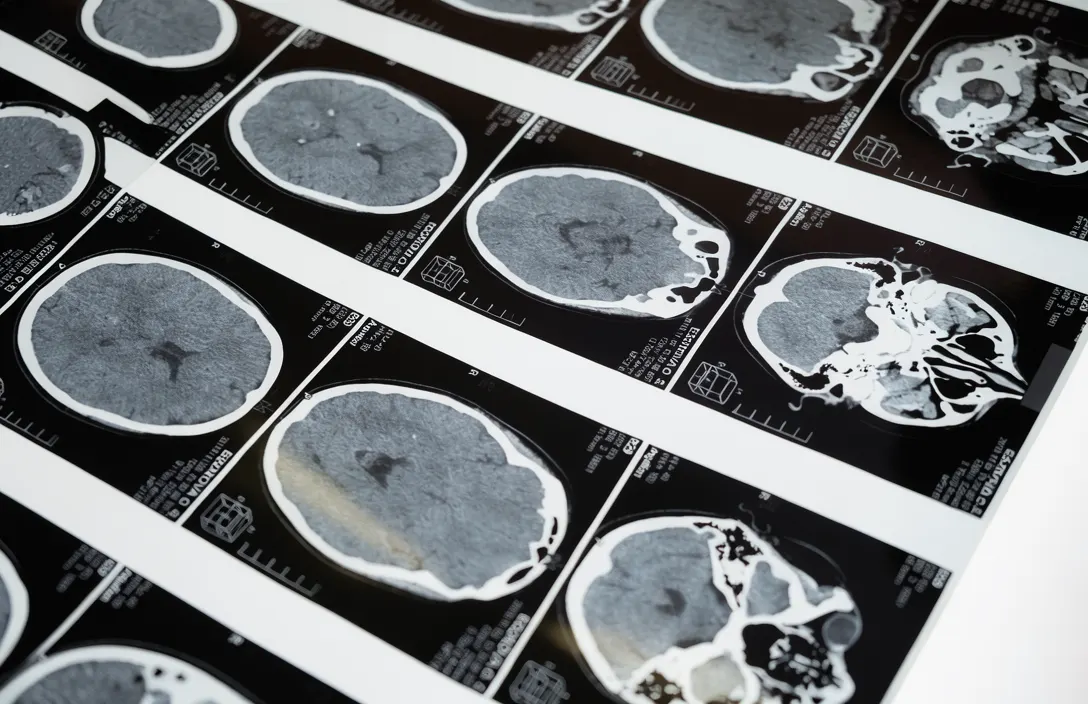

Researchers at the German Cancer Research Center (DKFZ) and the University Medical Center Mannheim (UMM) have developed a new method to enhance the effectiveness of immune cells against glioblastomas, a highly aggressive form of brain cancer. The study, published in Cancer Research, demonstrates that a targeted mRNA vaccine significantly increases the potency of therapeutic immune cells by promoting their proliferation and facilitating their entry into the brain. The vaccine provides instructions to dendritic cells to produce tumor-specific proteins, which alert the therapeutic T cells to the cancer's characteristics. This approach acts as an amplifier for cellular immunotherapy that is already specifically targeted against the tumor (source ID 1). [1]
In experimental models, the combination of therapeutic T-cell receptor-transgenic (TCR-T) cells and mRNA vaccination led to a significant increase in the number of immune cells, with some reaching up to 80% of all killer T cells in the blood of mice. The vaccination also altered the properties of the therapeutic T cells, enabling more of them to migrate into the brain tumors. Once there, the T cells remained particularly effective at attacking the tumor and showed fewer signs of functional exhaustion. This was reflected in the treatment's success, as the combination therapy significantly slowed tumor growth in some cases (source ID 1). [1]
To determine the potential applicability of this approach in human glioblastoma treatment, the research team conducted experiments using human immune cells. These T cells were equipped with a receptor that specifically recognizes the PTPRZ1 protein, which is present on human glioblastoma stem cells. The combination of PTPRZ1-specific therapeutic T cells and mRNA enhancement was tested both in cell experiments and in mice bearing human glioblastomas. The additional mRNA stimulation enhanced the ability of the therapeutic T cells to kill human brain tumors, with some cases showing complete tumor regression in the animals (source ID 1). [1]
A team led by researchers at the German Cancer Research Center (DKFZ) and the University Medical Center Mannheim (UMM) has developed a new approach to more effectively direct immune cells against glioblastomas. In experimental models, they were able to show that a targeted mRNA vaccine significantly increases the potency of therapeutic immune cells. The paper is published in the journal Cancer Research. The vaccine not only ensures that the cancer-fighting T cells proliferate rapidly, but it also facilitates their entry into the brain, where they can attack the tumors. The results open up new avenues for the development of more effective immunotherapies against this aggressive form of cancer. [1]
Advertisement
The study focuses on a therapy using T cells that have been genetically engineered in the laboratory to express a specific recognition molecule. This so-called T-cell receptor enables them to recognize a specific feature of the tumor cells—much like an antenna—and to target the cancer. Experts refer to these as "T-cell receptor-transgenic T cells." However, simply transferring the therapeutic immune cells to the patient is often not enough. Researchers must also ensure that the transgenic T cells multiply in the body, remain active over the long term and reach the tumor in sufficient numbers. This is where the mRNA vaccination comes in. [1]
In mice with experimental glioblastomas, the combination of therapeutic TCR-T cells and mRNA vaccination showed remarkable efficacy: The transferred immune cells proliferated so extensively that at times they accounted for up to 80% of all killer T cells in the mice's blood. However, it was not just their number that was decisive; the vaccination also altered the properties of the therapeutic T cells. Thanks to this additional activation, more T cells were able to migrate into the brain tumors. Once there, they remained particularly effective at attacking the tumor and showed fewer signs of functional exhaustion. [1]
To determine whether this principle could be applied to the treatment of patients with glioblastomas, the research team conducted experiments using human immune cells. These T cells were equipped with a receptor that specifically recognizes the PTPRZ1 protein. PTPRZ1 is present on human glioblastoma stem cells, which drive tumor growth. The researchers tested the combination of PTPRZ1-specific therapeutic T cells plus mRNA enhancement both in cell experiments and in mice bearing human glioblastomas. The additional mRNA stimulation enhanced the ability of the therapeutic T cells to kill the human brain tumors. In some cases, the tumors in the animals regressed completely. [1]
Researchers at the German Cancer Research Center (DKFZ) and the University Medical Center Mannheim (UMM) have developed a new approach to more effectively direct immune cells against glioblastomas, a highly aggressive form of brain cancer. In experimental models, they were able to show that a targeted mRNA vaccine significantly increases the potency of therapeutic immune cells. The study focuses on a therapy using T cells that have been genetically engineered in the laboratory to express a specific recognition molecule (source ID: 1). [1]
Advertisement
The mRNA vaccine not only ensures that the cancer-fighting T cells proliferate rapidly, but it also facilitates their entry into the brain, where they can attack the tumors. In mice with experimental glioblastomas, the combination of therapeutic TCR-T cells and mRNA vaccination showed remarkable efficacy: The transferred immune cells proliferated so extensively that at times they accounted for up to 80% of all killer T cells in the mice's blood (source ID: 1). [1]
To determine whether this principle could be applied to the treatment of patients with glioblastomas, the research team conducted experiments using human immune cells. These T cells were equipped with a receptor that specifically recognizes the PTPRZ1 protein, which is present on human glioblastoma stem cells. The additional mRNA stimulation enhanced the ability of the therapeutic T cells to kill the human brain tumors (source ID: 1). [1]
Sources
Prepared with AI assistance from the cited sources.
The Cali Reporter newsletter
The stories worth your time.
California, the country, and what comes next. Join our free newsletter for reporting that keeps you informed.
More in Health & Medicine
- Understanding Fascia and the Evidence Behind Fascia Release
Fascia is a connective tissue that plays a structural role in the human body, but evidence supporting specific exercises or tools for 'fascia release' remains limited.
- Antidepressant Effectiveness and Long-Term Use
A new review suggests that some antidepressants may be more effective than others in helping people manage depression symptoms over the long term, according to a study published in The Lancet Psychiatry.
- Experimental Weight-Loss Drug Shows Promise for Knee Osteoarthritis Pain
A new study suggests that an experimental weight-loss drug, retatrutide, may significantly reduce knee pain in people with osteoarthritis and obesity.