Military Members with Outside Stressors Seek More Medical Care
A recent study reveals that active-duty U.S. military members experiencing stress outside their service roles are more likely to seek medical care.

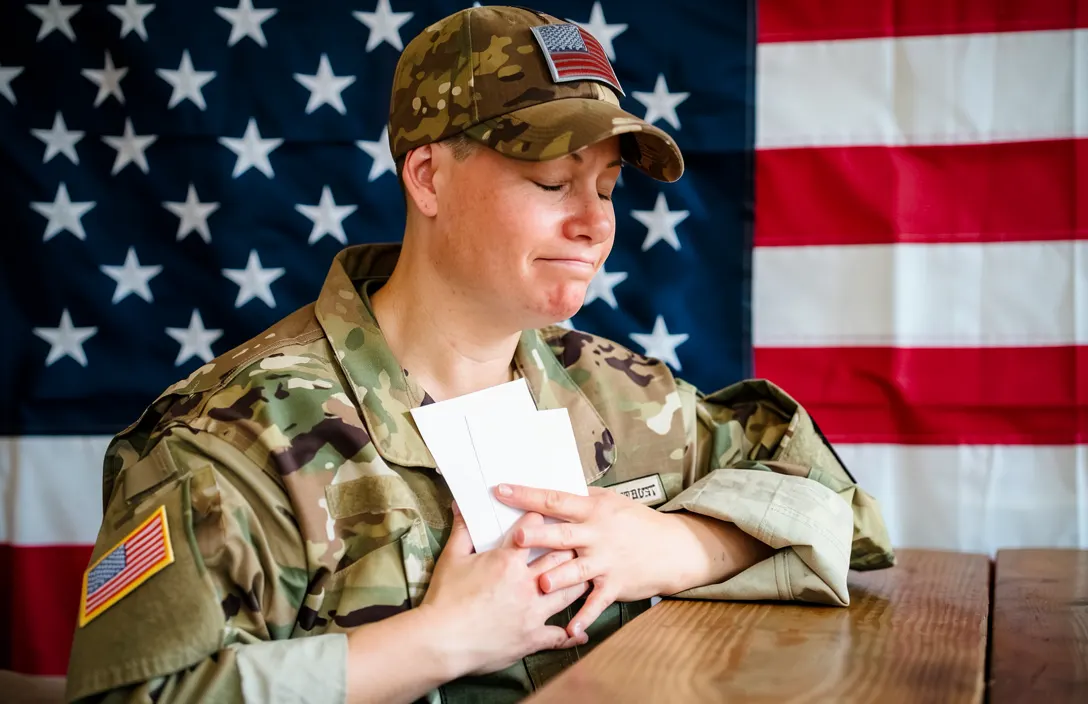

A new study led by the University of Massachusetts Amherst and the Naval Health Research Center found that active-duty U.S. military members dealing with stress beyond their service roles are more likely to seek medical care (source ID: 1). The research, published in the JAMA Network Open, analyzed data from over 34,000 participants in the U.S. Millennium Cohort Study and found that stressors such as life events and adverse childhood experiences correlated with increased utilization of outpatient and inpatient medical services. [1]
Chronic stress from non-military sources was found to have a cumulative effect with occupational stressors, potentially leading to physical and mental health issues (source ID: 1). The study highlights the importance of screening for stressful life events during annual health exams to prevent downstream health complications. Researchers suggest that early identification of stressors could reduce the need for inpatient care by addressing issues before they escalate. [1]
Common reasons for outpatient medical visits included musculoskeletal, nervous system, and respiratory issues, while injuries, psychiatric conditions, and digestive problems were among the causes of hospitalizations (source ID: 1). The study's findings emphasize the need for military health systems to broaden their screening and understanding of stressors to better support service members' overall health readiness. [1]
A study led by the University of Massachusetts Amherst and the Naval Health Research Center found that active-duty U.S. military members experiencing chronic stress from non-military sources are more likely to seek medical care (source ID: 1). The research, published in the JAMA Network Open, examined data from over 34,000 service members enrolled in the U.S. Millennium Cohort Study. It found that stressors such as life events and adverse childhood experiences were associated with increased use of both outpatient and inpatient medical services. Daniel López-Cevallos, a UMass Amherst professor and lead author of the study, noted that stress caused by life events outside of occupational stressors has a measurable impact on health care utilization. [1]
Advertisement
Common reasons for outpatient medical visits included musculoskeletal, nervous system, and respiratory issues, while injuries, psychiatric conditions, and digestive problems were among the causes of hospitalizations (source ID: 1). The study emphasized that chronic stress can affect multiple parts of the body and increase the risk of both physical and mental health problems. The cumulative effect of stress from non-military sources and occupational stressors was found to contribute to the overall health burden on service members, prompting the need for broader screening during annual health exams. [1]
Sheila Castañeda, a deputy principal investigator with the Naval Health Research Center, highlighted the importance of screening for stressful life events as a preventive measure to avoid downstream health issues. The study evaluated previous survey data and military medical records to establish its findings. The researchers recommended that military health systems expand their understanding and provision of services to address stress-related health concerns early, which could reduce the need for inpatient care. [1]
A study led by the University of Massachusetts Amherst and the Naval Health Research Center found that active-duty U.S. military members experiencing chronic stress from non-military sources are more likely to seek medical care. The research, published in the JAMA Network Open, examined data from over 34,000 service members enrolled in the U.S. Millennium Cohort Study. It found that stressors such as life events and adverse childhood experiences were associated with higher rates of outpatient and inpatient medical utilization (source ID: 1). [1]
The study emphasizes that chronic stress from non-military sources, when combined with occupational stressors, can have a cumulative effect on the health of service members. This cumulative stress increases the risk of physical and mental health problems and leads to greater use of medical services (source ID: 1). The findings suggest that such stressors may contribute to the need for more frequent outpatient visits and hospitalizations (source ID: 1). [1]
Advertisement
Sheila Castañeda, a deputy principal investigator with the Naval Health Research Center, noted the importance of screening for stressful life events during annual health exams as a preventive measure. This approach could help identify potential health issues before they escalate, reducing the need for inpatient care (source ID: 1). The study recommends that military health systems expand their screening practices to better understand and address the health needs of service members (source ID: 1). [1]
A new study led by the University of Massachusetts Amherst and the Naval Health Research Center found that active-duty U.S. military members dealing with stress beyond their roles in the service tend to utilize health care more often. The research, published in the JAMA Network Open, found that those dealing with stressors such as life events and adverse childhood experiences were more likely to seek outpatient and inpatient medical care (source ID: 1). [1]
Chronic stress from non-military sources was found to have a cumulative effect with occupational stressors, potentially leading to physical and mental health issues. The study emphasizes that these stressors coupled with those associated with being in the military have a cumulative effect, leading service members to seek more treatment (source ID: 1). [1]
For those seeking medical treatment, musculoskeletal, nervous system, and respiratory issues were the most common reasons for seeking outpatient care. Injuries, psychiatric, and digestive problems were among the occurrences causing hospital stays (source ID: 1). [1]
Advertisement
The Cali Reporter newsletter
The stories worth your time.
California, the country, and what comes next. Join our free newsletter for reporting that keeps you informed.
More in Health & Medicine
- Understanding Fascia and the Evidence Behind Fascia Release
Fascia is a connective tissue that plays a structural role in the human body, but evidence supporting specific exercises or tools for 'fascia release' remains limited.
- Antidepressant Effectiveness and Long-Term Use
A new review suggests that some antidepressants may be more effective than others in helping people manage depression symptoms over the long term, according to a study published in The Lancet Psychiatry.
- Experimental Weight-Loss Drug Shows Promise for Knee Osteoarthritis Pain
A new study suggests that an experimental weight-loss drug, retatrutide, may significantly reduce knee pain in people with osteoarthritis and obesity.