Middle-aged and older adults favor TV and YouTube for home exercise
A survey of 2,400 individuals in Japan reveals that middle-aged and older adults prefer television programs and YouTube for home-based exercise, according to a study published in J-STAGE.

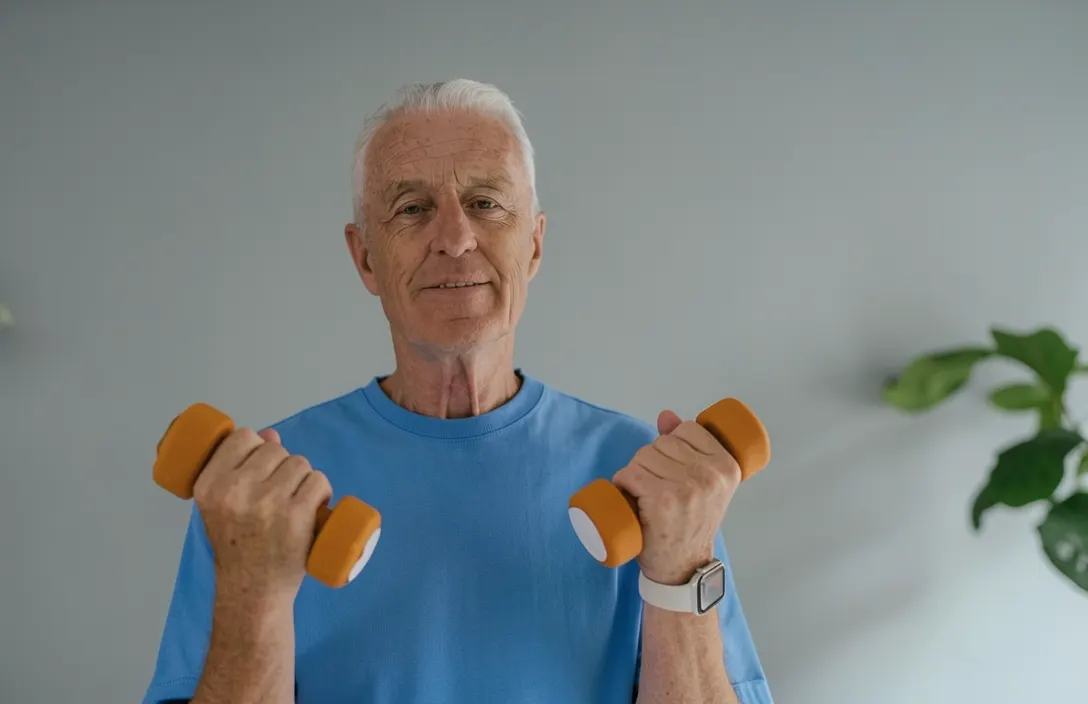

A survey of 2,400 individuals across Japan found that middle-aged and older adults most frequently selected independent exercise at home as their preferred option (source ID 1). The study, published in J-STAGE, highlights that television programs and YouTube were the most preferred sources of exercise content among participants (source ID 1). This preference was consistent across both highly populated regions (HPRs) and less populated regions (LPRs), indicating that residential area did not significantly influence the choice of media for exercise content (source ID 1). [1]
Participants expressed a strong preference for selecting exercise content themselves rather than receiving newly updated videos on a fixed schedule (source ID 1). A significant number of respondents indicated they would repeatedly use the same video content, suggesting a preference for familiar and flexible content (source ID 1). These findings suggest that the effectiveness of home-based exercise support systems may be enhanced by incorporating familiar video platforms (source ID 1). [1]
The study did not find a significant association between resistance to using health-related smartphone applications and participants' age or residential area, but it did find an association with occupation (source ID 1). This implies that factors such as occupation may play a more significant role in shaping attitudes toward health-related digital media than age or residential area (source ID 1). [1]
A survey of 2,400 individuals across Japan found that middle-aged and older adults most frequently selected independent exercise at home as their preferred option (source ID 1). This preference highlights a growing trend of self-directed physical activity among these age groups, which may reflect a desire for autonomy and flexibility in maintaining health (source ID 1). [1]
Advertisement
Participants expressed a strong preference for selecting exercise content themselves rather than receiving newly updated videos on a fixed schedule (source ID 1). This finding underscores the importance of user autonomy in digital health interventions and suggests that rigid content schedules may not align with user preferences (source ID 1). [1]
The study did not find a significant association between resistance to using health-related smartphone applications and participants' age or residential area, but it did find an association with occupation (source ID 1). This result indicates that occupational factors may play a more critical role in influencing attitudes toward health-related technology than demographic characteristics such as age or location (source ID 1). [1]
A survey of 2,400 individuals across Japan found that middle-aged and older adults most frequently selected independent exercise at home as their preferred option (source ID 1). This preference indicates a strong desire for autonomy in exercise routines, allowing individuals to choose activities that best suit their needs and schedules. [1]
Participants expressed a strong preference for selecting exercise content themselves rather than receiving newly updated videos on a fixed schedule (source ID 1). This suggests that flexibility and familiarity with content are more important to users than the frequency of updates or the novelty of the material. [1]
Advertisement
The study did not find a significant association between resistance to using health-related smartphone applications and participants' age or residential area, but it did find an association with occupation (source ID 1). This implies that occupational factors may play a more significant role in influencing attitudes toward digital health tools than demographic factors such as age or location. [1]
A survey of 2,400 individuals across Japan found that middle-aged and older adults most frequently selected independent exercise at home as their preferred option (source ID 1). The study aimed to understand the types of exercise support and digital media that people prefer to use, particularly in relation to age and residential area (source ID 1). Researchers conducted an online survey to assess participants' resistance to using health-related smartphone applications, preferred settings for home-based exercise, preferred types of video content, and desired frequency of content updates (source ID 1). [1]
Participants expressed a strong preference for selecting exercise content themselves rather than receiving newly updated videos on a fixed schedule (source ID 1). Among the available media options, television programs and YouTube were the most frequently preferred sources of exercise content (source ID 1). The survey also revealed that a substantial proportion of respondents indicated they would repeatedly use the same video content (source ID 1). These preferences were observed in both highly populated regions and less populated regions, suggesting that the preference for flexible and familiar content was not limited to a particular type of residential area (source ID 1). [1]
The study did not find a significant association between resistance to using health-related smartphone applications and participants' age or residential area, but it did find an association with occupation (source ID 1). This finding suggests that demographic characteristics such as age and residential area may not fully explain participants' reluctance to use such applications (source ID 1). Instead, occupational characteristics may be relevant to their attitudes toward health-related smartphone technology (source ID 1). [1]
Advertisement
The Cali Reporter newsletter
The stories worth your time.
California, the country, and what comes next. Join our free newsletter for reporting that keeps you informed.
More in Health & Medicine
- Understanding Fascia and the Evidence Behind Fascia Release
Fascia is a connective tissue that plays a structural role in the human body, but evidence supporting specific exercises or tools for 'fascia release' remains limited.
- Antidepressant Effectiveness and Long-Term Use
A new review suggests that some antidepressants may be more effective than others in helping people manage depression symptoms over the long term, according to a study published in The Lancet Psychiatry.
- Experimental Weight-Loss Drug Shows Promise for Knee Osteoarthritis Pain
A new study suggests that an experimental weight-loss drug, retatrutide, may significantly reduce knee pain in people with osteoarthritis and obesity.