Metformin Shows Potential in Treating Mitochondrial Dysfunction in Wilson Disease
A study published in Scientific Reports suggests that metformin, a drug typically used for type 2 diabetes, may help improve mitochondrial function in patients with Wilson disease.

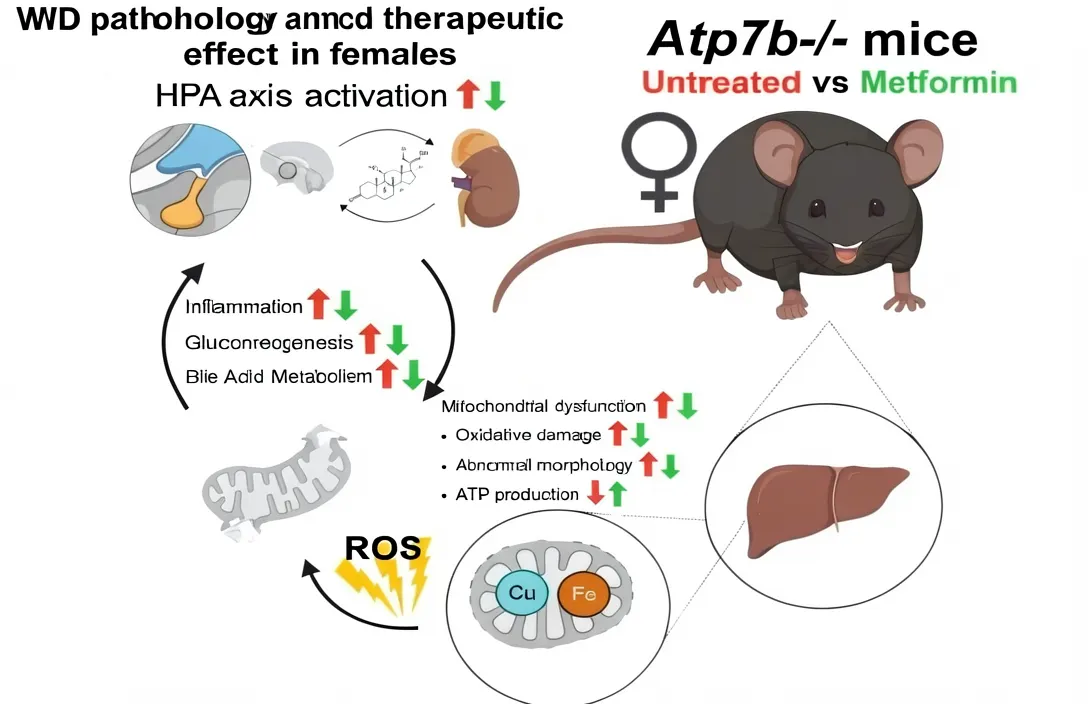

Wilson disease is a rare genetic condition in which the liver loses the ability to effectively remove copper, allowing it to accumulate in the body. This toxic buildup affects the liver, brain, eyes and kidneys and is particularly bad for mitochondria, the cell's all-important power plants. Current treatments for Wilson disease include copper chelation and dietary restrictions to reduce copper intake, but these approaches do not address the condition's effects on mitochondria. A study published in Scientific Reports investigated the potential of metformin, a common treatment for type 2 diabetes, to help control mitochondrial dysfunction in an animal model of Wilson disease (Source ID: 1). [1]
Researchers from UC Davis Health found that metformin could help improve mitochondrial function in an animal model of Wilson disease. This effect was particularly noticeable in female mice. The study, led by Valentina Medici, first author on the paper and professor of gastroenterology and hepatology, suggests that metformin's ability to bind to metal molecules, including copper, may play a role in its potential therapeutic effects (Source ID: 1). [1]
The study also found that female mouse models experienced more severe mitochondrial injury than their male counterparts. However, the females were also more responsive to metformin, with higher levels in the blood. After metformin treatment, mitochondria in the females became larger, rounder and smoother. These findings align with observations in human Wilson disease patients, where women often experience more severe symptoms, for yet-unknown reasons (Source ID: 1). [1]
The researchers suggest that metformin, and perhaps other drugs, could be investigated further as potential treatments for Wilson disease. Early diagnosis and access to safe and inexpensive therapies could delay or possibly prevent symptoms. The study highlights the importance of exploring new therapeutic approaches that address the mitochondrial impacts of Wilson disease (Source ID: 1). [1]
Advertisement
Wilson disease is a rare genetic condition in which the liver loses the ability to effectively remove copper, allowing it to accumulate in the body. This toxic buildup affects the liver, brain, eyes and kidneys and is particularly bad for mitochondria, the cell's all-important power plants. Current treatments for Wilson disease have included removing copper from patients' bodies (copper chelation) and dietary restrictions to reduce copper intake. However, these approaches have shown limited efficacy and do not address the disease's mitochondrial impacts (Source ID: 1). [1]
In a study published in Scientific Reports, researchers from UC Davis Health showed that metformin, a common treatment for type 2 diabetes, could help control mitochondrial dysfunction in an animal model of Wilson disease. This effect was particularly noticeable in female mice. The researchers explored the possibility of retasked existing drugs to improve mitochondrial function in people with Wilson disease, with metformin being particularly interesting due to its availability and extensive study (Source ID: 1). [1]
The sex-specific differences observed in the study were notable. Female mouse models experienced more severe mitochondrial injury than their male counterparts. However, the females were also more responsive to metformin, with higher levels in the blood. After treatment, mitochondria in the females became larger, rounder and smoother. These findings align with observations in human Wilson disease patients, where women often experience more severe symptoms, for yet-unknown reasons (Source ID: 1). [1]
The study highlights the potential for metformin, and possibly other drugs, to be investigated further as treatments for Wilson disease. The researchers note that early diagnosis and access to safe and inexpensive therapies could delay or prevent symptoms. There is a growing push to add Wilson disease to the list of conditions for newborn screening, which could help prevent severe liver disease and neuropsychiatric symptoms in adult patients (Source ID: 1). [1]
Advertisement
Researchers from UC Davis Health found that metformin, a drug commonly used for type 2 diabetes, could help improve mitochondrial function in an animal model of Wilson disease. This discovery was based on a study published in Scientific Reports, which demonstrated that metformin could control mitochondrial dysfunction in mice with Wilson disease (Source ID: 1). The study is significant because it suggests that existing drugs might be repurposed for treating Wilson disease, offering a new therapeutic approach beyond traditional copper chelation treatments (Source ID: 1). [1]
The study revealed sex-specific differences in mitochondrial injury and response to metformin. Female mouse models experienced more severe mitochondrial injury than their male counterparts. However, female mice also showed a more pronounced response to metformin, with higher drug levels in the blood and visible changes in mitochondrial structure (Source ID: 1). These findings align with observations in human Wilson disease patients, where women often experience more severe symptoms, though the underlying reasons remain unclear (Source ID: 1). [1]
The research team emphasized the importance of investigating mitochondrial bioenergetics in Wilson disease, as current treatments do not address the condition's impact on mitochondria. Metformin, being safe and inexpensive, was identified as a particularly promising candidate for further investigation (Source ID: 1). The study also suggests that early diagnosis and intervention could delay or prevent the onset of severe symptoms, potentially improving patient outcomes (Source ID: 1). [1]
A study published in Scientific Reports suggests that metformin, a drug commonly used for type 2 diabetes, may help control mitochondrial dysfunction in an animal model of Wilson disease. The research found that female mouse models experienced more severe mitochondrial injury than their male counterparts, according to evidence from Medical Xpress (source ID 1). This sex-specific difference in mitochondrial response to the disease is notable and could have implications for future treatment strategies. [1]
Advertisement
The study highlights that metformin may be particularly effective in female mice, as they showed higher levels of the drug in their blood and more pronounced improvements in mitochondrial structure after treatment. The research team observed that mitochondria in female mice became larger, rounder, and smoother following metformin administration, as reported by Medical Xpress (source ID 1). These findings align with observations in human Wilson disease patients, where women often experience more severe symptoms, although the underlying reasons remain unclear. [1]
The UC Davis Health researchers emphasize the importance of investigating mitochondrial bioenergetics in Wilson disease, as current treatments do not address the condition's impact on mitochondria. The study suggests that metformin, and potentially other drugs, could be explored further as treatments for Wilson disease, as noted in evidence from Medical Xpress (source ID 1). The research team is continuing to investigate the sex-specific dynamics observed in their study, which may provide further insights into the condition and its treatment. [1]
Sources
Prepared with AI assistance from the cited sources.
The Cali Reporter newsletter
The stories worth your time.
California, the country, and what comes next. Join our free newsletter for reporting that keeps you informed.
More in Health & Medicine
- Understanding Fascia and the Evidence Behind Fascia Release
Fascia is a connective tissue that plays a structural role in the human body, but evidence supporting specific exercises or tools for 'fascia release' remains limited.
- Antidepressant Effectiveness and Long-Term Use
A new review suggests that some antidepressants may be more effective than others in helping people manage depression symptoms over the long term, according to a study published in The Lancet Psychiatry.
- Experimental Weight-Loss Drug Shows Promise for Knee Osteoarthritis Pain
A new study suggests that an experimental weight-loss drug, retatrutide, may significantly reduce knee pain in people with osteoarthritis and obesity.