Measles Resurges in the U.S., Prompting Questions About Booster Shots
As measles spreads in the U.S., medical experts are addressing the need for booster shots, emphasizing vaccination history and immunity status.

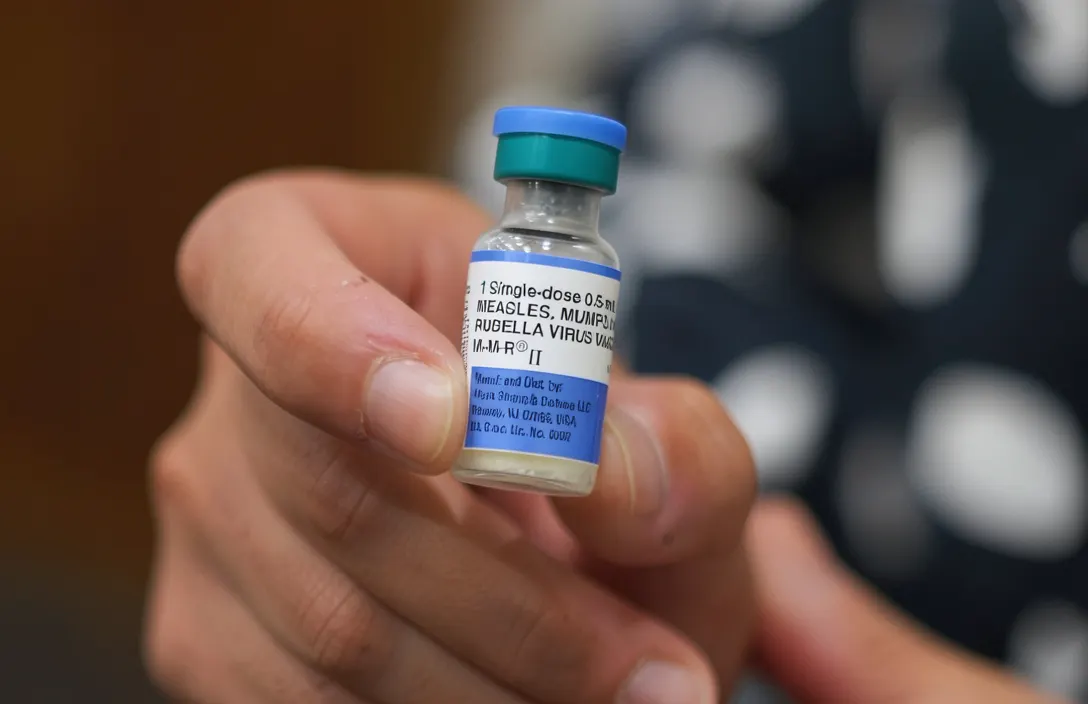

Measles has reemerged in the U.S., prompting discussions about the necessity of booster shots for adults. According to Dr. Richard Martinello at Yale School of Medicine, most people are already protected against measles without needing a booster shot because they have either been vaccinated or had the disease as children (Source ID: 1). The U.S., Mexico, and Bolivia recently lost their measles-free status following persistent outbreaks, signaling a setback in global efforts to eliminate the disease. [1]
The Centers for Disease Control and Prevention (CDC) recommends that two doses of the measles, mumps, and rubella (MMR) vaccine provide the best protection against measles, which is one of the most contagious viruses in the world. The vaccine is typically effective for life, and individuals born before 1957 are considered to have "presumptive evidence" of immunity due to widespread childhood exposure to the virus (Source ID: 1). However, certain groups, such as healthcare workers born before 1957 without proof of immunity, may benefit from a booster shot to prevent transmission to vulnerable patients. [1]
Adults who received the inactivated measles vaccine between 1963 and 1967 may also need to consider a booster shot, as this version of the vaccine was less effective than the current live, weakened MMR vaccine. Doctors recommend that these individuals receive at least one dose of the live MMR vaccine to ensure adequate protection (Source ID: 1). For those unsure of their vaccination history, the CDC suggests consulting parents, doctors, or previous employers that required immunizations to verify their status. [1]
Measles has reemerged in the U.S., prompting discussions about the necessity of booster shots for adults. The Centers for Disease Control and Prevention (CDC) recommends that two doses of the measles, mumps, and rubella (MMR) vaccine provide the best protection against measles, which is one of the most contagious viruses in the world. Adults who received the inactivated measles vaccine between 1963 and 1967 may also need to consider a booster shot, as this version of the vaccine was less effective than the current live, weakened MMR vaccine (source ID: 1). [1]
Advertisement
Experts generally say that most people are protected without getting a booster shot because they've either been vaccinated or had measles as children. However, certain groups, such as healthcare workers born before 1957 without proof of immunity, may benefit from boosters due to their increased risk of exposure to the virus (source ID: 1). [1]
Adults vaccinated between 1963 and 1967 also might want to think about boosters. During those years, some children received an inactivated vaccine that uses a killed version of the virus, which was less effective than the current vaccine containing live, weakened virus. Doctors said people who know they got the inactivated vaccine or aren't sure should get at least one dose of the live MMR vaccine (source ID: 1). [1]
Tracking down your vaccination status can be challenging. The CDC suggests asking parents or doctors, checking with high school or college health services, or reaching out to previous employers that required immunizations. Some states have registries that include adult vaccines, and if unsure, individuals can consult their doctor for an MMR immunity blood test (source ID: 1). [1]
Most people are protected against measles without needing a booster shot, according to Dr. Richard Martinello at Yale School of Medicine. This is because they have either been vaccinated or had measles as children, which provides lifelong immunity. The U.S., Mexico, and Bolivia recently lost their measles-free status due to outbreaks, underscoring the importance of vaccination (Source ID: 1). [1]
Advertisement
Adults vaccinated between 1963 and 1967 may need to consider a booster shot, as the inactivated measles vaccine used during that period was less effective than the current live, weakened MMR vaccine. Doctors recommend that these individuals get at least one dose of the MMR vaccine to ensure protection (Source ID: 1). [1]
Certain high-risk groups, such as healthcare workers born before 1957 without proof of immunity, are advised to consider boosters due to their increased exposure to measles. Additionally, people in schools, international travelers, and those living with immunocompromised individuals may also benefit from a second dose (Source ID: 1). [1]
Tracking vaccination status can be challenging, but the CDC suggests checking with parents, doctors, or previous employers that required immunizations. Some states have registries that include adult vaccines, and a blood test can determine immunity, though it may not perfectly correlate with protection levels (Source ID: 1). [1]
Sources
Prepared with AI assistance from the cited sources.
The Cali Reporter newsletter
The stories worth your time.
California, the country, and what comes next. Join our free newsletter for reporting that keeps you informed.
More in Health & Medicine
- Understanding Fascia and the Evidence Behind Fascia Release
Fascia is a connective tissue that plays a structural role in the human body, but evidence supporting specific exercises or tools for 'fascia release' remains limited.
- Antidepressant Effectiveness and Long-Term Use
A new review suggests that some antidepressants may be more effective than others in helping people manage depression symptoms over the long term, according to a study published in The Lancet Psychiatry.
- Experimental Weight-Loss Drug Shows Promise for Knee Osteoarthritis Pain
A new study suggests that an experimental weight-loss drug, retatrutide, may significantly reduce knee pain in people with osteoarthritis and obesity.