Measles Resurgence Highlights Safety of Early Infant Vaccination
A new report emphasizes the safety and effectiveness of early measles vaccination for infants, as the U.S. faces a significant measles outbreak and loses its elimination status.

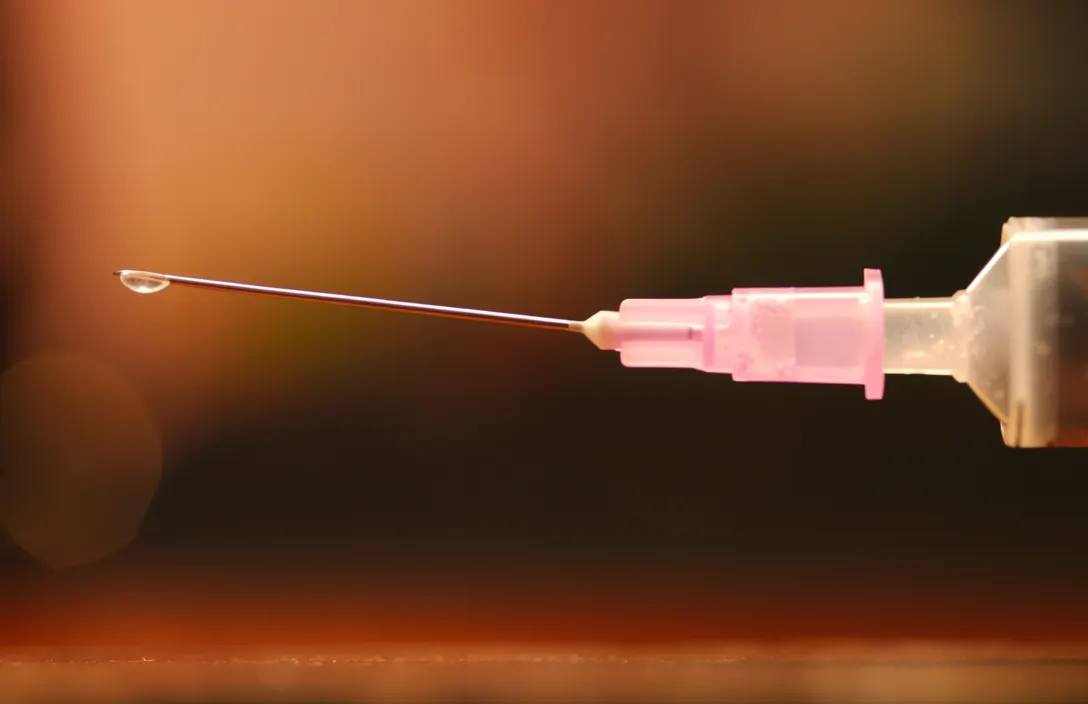

The United States has recorded more than 5,400 measles cases and 10 measles-related deaths across 45 states this year, according to a report from the Center for Infectious Disease Research and Policy's (CIDRAP's) Vaccine Integrity Project (VIP) at the University of Minnesota. The Pan American Health Organization has formally revoked the nation's measles elimination status, which it had held for over 26 years, signaling that the virus has been spreading in one continuous chain for at least a year (Source ID: 1). [1]
The report highlights that infants as young as 6 months can safely receive the measles, mumps, and rubella (MMR) vaccine, a recommendation that has been in place for decades for eligible infants traveling internationally or living in areas experiencing active measles outbreaks. The data from the VIP assessment show that the zero dose provides meaningful protection for infants without evidence of an increased risk of adverse events compared with vaccination at older ages (Source ID: 1). [1]
A randomized clinical trial involving 6,540 Danish infants found that MMR vaccination at 5 to 7 months was not linked to higher rates of adverse reactions compared with placebo. A separate review that included 15 safety studies found no difference in the risk of adverse events between those vaccinated before 9 months and those vaccinated at older ages (Source ID: 1). [1]
The report emphasizes that the zero dose should not replace the two routine MMR doses, which should begin at 12 to 15 months. Parents are encouraged to consult with their child's health provider to determine if a zero dose is appropriate, particularly as holiday travel approaches and the risk of measles exposure increases (Source ID: 1). [1]
Advertisement
The United States has recorded more than 5,400 measles cases and 10 measles-related deaths across 45 states this year, according to a report from the Center for Infectious Disease Research and Policy's (CIDRAP's) Vaccine Integrity Project (VIP) at the University of Minnesota (1). The report highlights that infants as young as 6 months can safely receive the measles, mumps, and rubella (MMR) vaccine, a recommendation that has been in place for decades for eligible infants traveling internationally or living in areas experiencing active measles outbreaks (1). [1]
Today, the Pan American Health Organization formally revoked the nation's measles elimination status, which it has held for more than 26 years. Loss of measles elimination status signals that the virus has been spreading in one continuous chain for at least a year (1). Routine MMR vaccination begins at 12 to 15 months, but for decades, federal health authorities and medical societies have recommended early measles vaccination, sometimes called a 'zero dose,' for eligible infants ages 6 to 11 months who will be traveling internationally or living in or traveling to areas experiencing active measles outbreaks (1). [1]
The VIP data assessment found that the zero dose provides meaningful protection for infants, without evidence of an increased risk of adverse events compared with vaccination at older ages. Specifically, the data show that MMR vaccine effectiveness is 58% when given before 9 months and 83% when given from 9 to 11 months (1). The assessment also highlights a randomized clinical trial involving 6,540 Danish infants that found that MMR vaccination at 5 to 7 months was not linked to higher rates of adverse reactions compared with placebo (1). [1]
The United States has recorded more than 5,400 measles cases and 10 measles-related deaths across 45 states this year, according to a report from the Center for Infectious Disease Research and Policy's (CIDRAP's) Vaccine Integrity Project (VIP) at the University of Minnesota (1). This surge has prompted the Pan American Health Organization to formally revoke the nation's measles elimination status, which it had held for over 26 years. The loss of this status indicates that the virus has been spreading in a continuous chain for at least a year, signaling a critical public health concern. [1]
Advertisement
The VIP data assessment found that the zero dose provides meaningful protection for infants, without evidence of an increased risk of adverse events compared with vaccination at older ages (1). Routine MMR vaccination typically begins at 12 to 15 months, but for decades, federal health authorities have recommended early measles vaccination, sometimes called a 'zero dose,' for eligible infants ages 6 to 11 months who will be traveling internationally or living in or traveling to areas experiencing active measles outbreaks. This recommendation is based on the understanding that infants are particularly vulnerable to measles due to the waning of maternal antibodies during their first months of life. [1]
The VIP data assessment also highlights a randomized clinical trial involving 6,540 Danish infants that found MMR vaccination at 5 to 7 months was not linked to higher rates of adverse reactions compared with placebo (1). A separate review that included 15 safety studies found no difference in the risk of adverse events between those vaccinated before 9 months and those vaccinated at older ages. However, the immune response to vaccination before 12 months may be less durable than the response to later vaccination, so infants who receive a zero dose should still get the recommended two-dose MMR series beginning at 12 to 15 months. [1]
The United States has recorded more than 5,400 measles cases and 10 measles-related deaths across 45 states this year, according to a report from the Center for Infectious Disease Research and Policy's (CIDRAP's) Vaccine Integrity Project (VIP) at the University of Minnesota (1). The Pan American Health Organization has formally revoked the nation's measles elimination status, which it has held for more than 26 years. This decision highlights the ongoing spread of the virus, as it has been circulating in one continuous chain for at least a year (1). [1]
Infants as young as 6 months can safely receive the measles, mumps, and rubella (MMR) vaccine, a recommendation that has been in place for decades for eligible infants traveling internationally or living in areas experiencing active measles outbreaks (1). The VIP data assessment found that the zero dose provides meaningful protection for infants, without evidence of an increased risk of adverse events compared with vaccination at older ages (1). [1]
Advertisement
A randomized clinical trial involving 6,540 Danish infants found that MMR vaccination at 5 to 7 months was not linked to higher rates of adverse reactions compared with placebo (1). A separate review that included 15 safety studies found no difference in the risk of adverse events between those vaccinated before 9 months and those vaccinated at older ages (1). [1]
Sources
Prepared with AI assistance from the cited sources.
The Cali Reporter newsletter
The stories worth your time.
California, the country, and what comes next. Join our free newsletter for reporting that keeps you informed.
More in Health & Medicine
- Understanding Fascia and the Evidence Behind Fascia Release
Fascia is a connective tissue that plays a structural role in the human body, but evidence supporting specific exercises or tools for 'fascia release' remains limited.
- Antidepressant Effectiveness and Long-Term Use
A new review suggests that some antidepressants may be more effective than others in helping people manage depression symptoms over the long term, according to a study published in The Lancet Psychiatry.
- Experimental Weight-Loss Drug Shows Promise for Knee Osteoarthritis Pain
A new study suggests that an experimental weight-loss drug, retatrutide, may significantly reduce knee pain in people with osteoarthritis and obesity.