Managing AI-Generated Code Edits Safely
Developers are finding ways to integrate AI into their coding workflows while ensuring security and accuracy. One approach involves careful handling of code files and sensitive information to avoid errors or data…

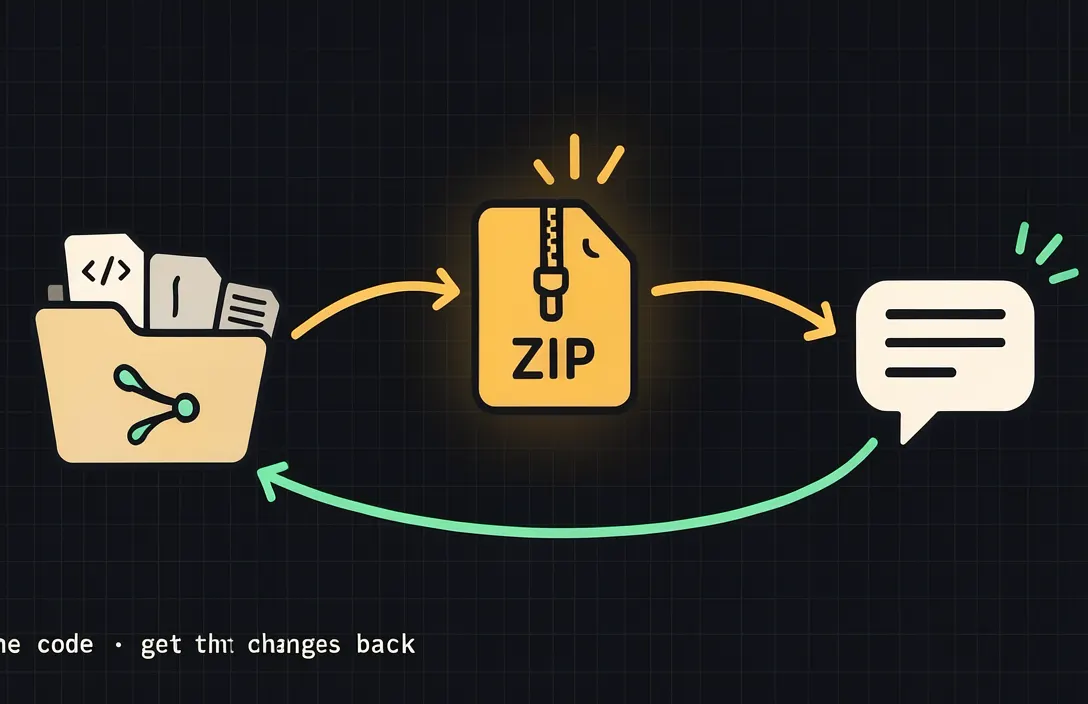

When using AI chat tools like Claude and ChatGPT for code editing, developers should send entire files rather than snippets. This approach allows the AI to understand the context within the folder structure, reducing the likelihood of generating new or misplaced files. Sending files as ZIP archives preserves the original file paths, making it easier to locate and apply changes accurately. This method is supported by Dev.to, which highlights the importance of maintaining file integrity during the process. [1]
To enhance security and reduce unnecessary processing, developers are advised to exclude non-essential files such as dependencies, build outputs, caches, lockfiles, and media. In one example, a Next.js project contains 37,887 files, but only 62 are relevant for a new teammate to read. This filtering process helps streamline the AI's understanding and minimizes the risk of exposing sensitive or irrelevant data. Dev.to emphasizes that this is a critical step in the workflow to ensure efficiency and safety. [1]
Sensitive information such as .env files, private keys, and cloud credentials must never be shared with AI tools. Instead, developers can send placeholders with redacted values, such as DATABASE_URL=[REDACTED]. This approach prevents data leaks while still allowing the AI to understand the structure and context of the files. Dev.to recommends this method to ensure that confidential information remains protected while still benefiting from AI-assisted code edits. [1]
When applying AI-generated changes, developers should ensure that the reply includes complete files and a list of any moved or deleted files. This allows for a three-way merge between the original code, the current version on disk, and the AI's response. Dev.to notes that this method helps avoid conflicts and ensures that all changes are properly integrated, whether the AI or the developer made the edits. Tools like contextzip are designed to facilitate this process securely and efficiently. [1]
Advertisement
When using AI chat tools like Claude and ChatGPT for code editing, developers should send entire files rather than snippets. This approach allows the AI to understand the full context of the code and make more accurate suggestions. According to Dev.to, sending files instead of snippets helps the model guess less and find the files that already exist instead of inventing new ones. A ZIP file also keeps the paths, ensuring that every file in the reply is correctly placed. [1]
To enhance security and reduce unnecessary processing, developers are advised to exclude non-essential files such as dependencies, build outputs, caches, lockfiles, and media. On one of the Next.js projects mentioned in the Dev.to article, excluding these files reduces the number of files from 37,949 to 62, which are the files a new teammate would actually read. This practice significantly reduces the amount of data processed and shared with AI tools. [1]
Sensitive information such as .env files, private keys, and cloud credentials must never be shared with AI tools. According to the Dev.to article, if the model needs to know which settings exist, developers should send the keys with the values blanked out, such as DATABASE_URL=[REDACTED] and API_KEY=[REDACTED]. This ensures that no actual sensitive data is exposed to the AI during the process. [1]
When using AI chat tools like Claude and ChatGPT for code editing, developers should send entire files rather than snippets. This approach allows the AI model to understand the folder structure and locate existing files without inventing new ones, as noted in a Dev.to article (1). Sending entire files also helps maintain the correct paths for each file in the reply, ensuring accuracy during the editing process. [1]
Advertisement
To enhance security and reduce unnecessary processing, developers are advised to exclude non-essential files such as dependencies, build outputs, caches, lockfiles, and media. In one example, a Next.js project had 37,887 files, of which only 62 were considered essential for a new teammate to read, according to the same Dev.to article (1). This exclusion minimizes the risk of exposing sensitive or irrelevant data to the AI tool. [1]
Sensitive information such as .env files, private keys, and cloud credentials must never be shared with AI tools. If the model needs to know which settings exist, developers should send the keys with the values blanked out, as recommended in the Dev.to article (1). This practice ensures that confidential data is not inadvertently exposed to AI systems. [1]
When using AI chat tools like Claude and ChatGPT for code editing, developers should send entire files rather than snippets. This approach allows the AI to understand the folder structure and find existing files instead of inventing new ones. According to Dev.to, sending a ZIP file also helps maintain file paths, ensuring that every file in the reply is correctly placed (Dev.to, 1). [1]
To enhance security and reduce unnecessary processing, developers are advised to exclude non-essential files such as dependencies, build outputs, caches, lockfiles, and media. In one Next.js project, this approach reduced the number of files sent from 37,949 to just 62, which are the files a new teammate would typically read (Dev.to, 1). [1]
Advertisement
Sensitive information such as .env files, private keys, and cloud credentials must never be shared with AI tools. If the model needs to know which settings exist, developers should send the keys with the values blanked, such as DATABASE_URL=[REDACTED] and API_KEY=[REDACTED] (Dev.to, 1). [1]
When applying AI-generated changes, developers should ensure that the reply includes complete files and a list of any moved or deleted files. This helps avoid issues such as flattened paths, cut-off files, and overwriting user edits. A three-way merge between the original files, current files, and AI-generated files is recommended to resolve conflicts (Dev.to, 1). [1]
Sources
Prepared with AI assistance from the cited sources.
The Cali Reporter newsletter
The stories worth your time.
California, the country, and what comes next. Join our free newsletter for reporting that keeps you informed.
More in Technology
- Modern Web Guidance 1.0 and Browser Compatibility
Modern Web Guidance 1.0, announced by Chrome for Developers on November 10, introduces browser compatibility data to assist coding agents in building web features. The initiative emphasizes the importance of fallback…
- Apache mod_http2 Vulnerability Detection with Nmap
A new Nmap scripting module has been developed to detect the Apache mod_http2 vulnerability (CVE-2026-119618), addressing the challenges of identifying affected systems accurately.
- Securing Remote Vendor Access in Industrial Networks
Best practices for managing remote vendor access in operational technology (OT) networks emphasize controlled access points, multifactor authentication, and time-bound sessions to reduce cybersecurity risks.