KPBS Noir-vember Feature Curates Ten Classic Noirs and Explains the Genre’s Dark Appeal
A Nov. 13 KPBS feature lists ten noirs chronologically, pairs them with podcasts, and frames the cycle through fatalism, moral ambiguity and the 1941-to-late-1950s canon.


A KPBS feature published Nov. 13, 2026, selected ten classic film noirs from the KPBS+ classic movie package and presented them in chronological order as part of a monthlong Noir-vember celebration. KPBS says the author looked through the package and chose ten films, pairing them with companion podcasts. The article presents a curated criticism feature and does not provide a schedule. [1]
The ten titles named by KPBS are Detour from 1945, Scarlett Street from 1945, The Strange Loves of Martha Ivers from 1946, Pitfall from 1948, D.O.A. from 1950, Woman on the Run from 1950, Kansas City Confidential from 1952, The Hitch-Hiker from 1953, The Big Combo from 1955 and Touch of Evil from 1958. [1]
KPBS describes the selection as tightly executed films that pack sex, murder, betrayal and sharp dialogue into runtimes under 90 minutes. It singles out Detour as a 67-minute crime drama made for about $30,000 that drew little interest on initial release but distills noir to sex, fatalism and a protagonist doomed from the opening frame. [1]
The article includes commentary from Eddie Muller, whom KPBS identifies as an author, host of TCM’s Noir Alley, president of the Film Noir Foundation and generally regarded as the Czar of Noir. It also cites author Alan K. Rode and Nora Fiore, known as the Nitrate Diva, and says listeners can hear more from Muller and other experts in paired podcasts. [1]
Advertisement
KPBS opens with hard-boiled slang and directs readers to dictionaries of hard-boiled vocabulary. That framing signals an appreciative critical tour rather than a neutral listing. The article says the chronological run lets viewers see how noir evolved over time. [1]
KPBS says that for film noir fans, November has been rechristened Noir-vember so fans can celebrate the films all month. The feature is built around appreciation and explanation, linking each title to podcast commentary and, in some cases, to additional noir-related material. [1]
The KPBS framing matters because it treats noir as a durable vocabulary for cynicism, fatalism and moral ambiguity rather than as a costume genre. KPBS says noir challenged audiences with a world where women used sex to pursue goals, betrayal and deceit were expected, and murder was a given. [1]
KPBS quotes Muller explaining that noir was distinctive because people doing the wrong thing became the protagonists. He contrasts that with a crime movie centered on a law officer trying to catch a crook. In noir, according to that account, the officer can be tempted into crime and the story turns out badly. [1]
Advertisement
KPBS also attributes to Muller the view that noir was an organic artistic movement that existed because artists wanted to make it. That claim supports the article’s argument that noir’s style and language are tied to a specific era and came from an organic artistic movement. [1]
The package complicates the common femme fatale shorthand. In Pitfall, KPBS says Lizabeth Scott is more sympathetic than a classic femme fatale and radiates a sexual confidence that makes male characters uncomfortable because it suggests power. KPBS quotes Fiore saying men want to control that power because it threatens them. [1]
In Woman on the Run, KPBS highlights Ann Sheridan as a female-driven noir lead who is not a femme fatale. Fiore is quoted saying noir has many examples of women stepping up for justice, and that Sheridan’s sleuthing reignites her marriage rather than closing it. [1]
KPBS traces the term film noir to French critics describing a style rooted in hard-boiled crime fiction of the 1940s. It says the style was often brought to life by European émigré directors who fled Nazi Germany in the 1930s and carried German Expressionist style with them, naming Fritz Lang, Billy Wilder and Otto Preminger. [1]
Advertisement
The article defines classic noir as films usually made between 1941 and the late 1950s. It notes that film noir literally means black film, and that the darkness comes from both the visual look and the dark motives of the characters. [1]
KPBS says noir embraced moral ambiguity and acknowledged human flaws. It understood that people could be greedy, corrupt, duplicitous and violent while remaining protagonists who sometimes elicit empathy. KPBS argues noir was not pushing a moral agenda or the status quo and often challenged both. [1]
Specific production histories support that canon. KPBS says Scarlett Street recycled the premise of Lang’s The Woman in the Window with Edward G. Robinson, Joan Bennett and Dan Duryea but delivered a darker resolution. Robinson plays Christopher Cross, Bennett plays Kitty, and Duryea plays Johnny Prince, who encourages Kitty to extract money from Cross. [1]
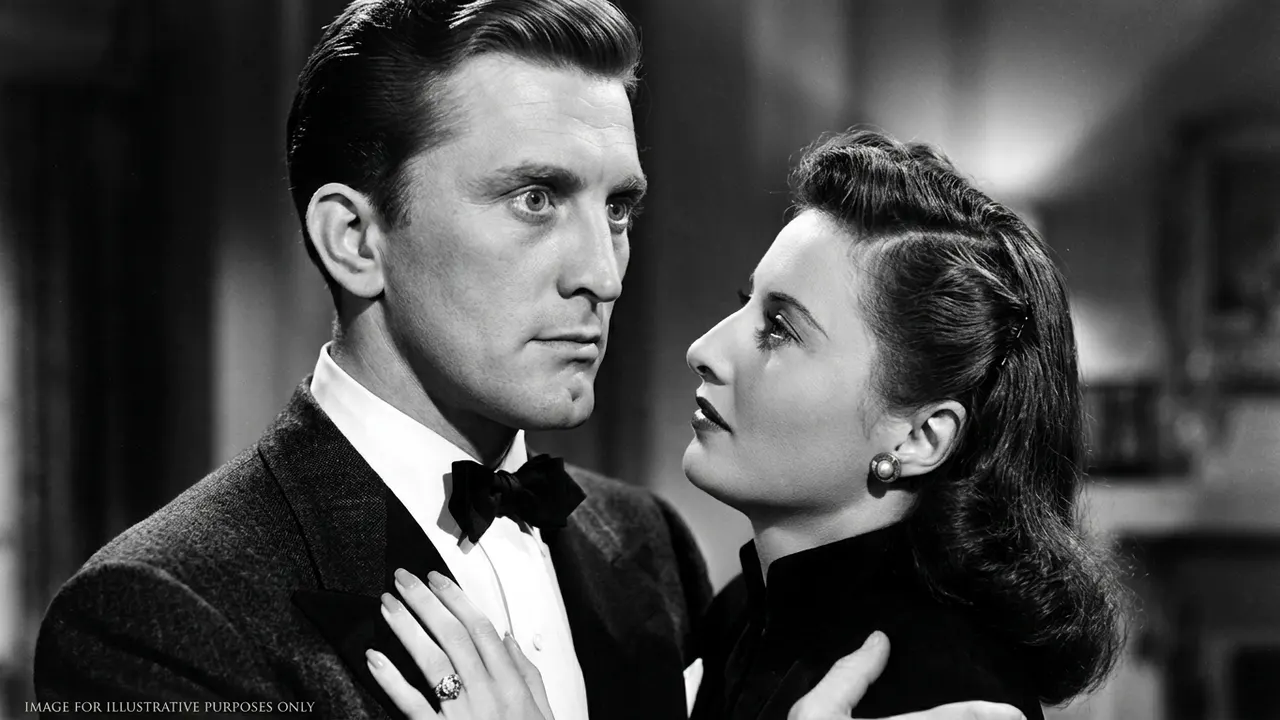
KPBS describes The Strange Loves of Martha Ivers as more of a woman’s picture with noir overtones. Barbara Stanwyck’s Martha accidentally kills a wealthy aunt, then is forced into marriage with Walter because his father blackmails her. KPBS notes Kirk Douglas in his film debut and a second pair of lovers played by Van Heflin and Lizabeth Scott. [1]
Advertisement
KPBS says D.O.A. begins with accountant Frank Bigelow reporting his own murder, then unfolds in flashbacks after he learns he was poisoned and has little time to live. It advises avoiding the 1988 remake. KPBS also says Ida Lupino was the first woman to direct a film noir with The Hitch-Hiker and formed her own company outside the mainstream industry. [1]
For Touch of Evil, KPBS recounts that Orson Welles was initially hired only to play detective Hank Quinlan, but Charlton Heston thought Welles would also direct. To appease its star, the studio brought Welles on as director and later removed him in post-production, according to the article. KPBS also notes that Heston plays a Mexican character. [1]
KPBS describes The Big Combo as a low-budget noir shot in less than a month and says John Alton’s cinematography is particularly striking and darkly seductive. On preservation, KPBS says French critics at Cahiers du Cinéma championed Detour and other noirs, helping lift them from obscurity, and that Detour became the first poverty-row film preserved in the National Film Registry. [1]
One implication is curatorial: KPBS presents noir as a chronological evolution rather than a fixed checklist. The article says the run lets viewers see how noir evolved, moving from 1945 low-budget fatalism through later 1950s titles. [1]
Another implication is interpretive. KPBS says noir was not pushing a moral agenda or the status quo and was often challenging both. That framing makes the films available as evidence of mid-century anxieties about greed, corruption, duplicity and violence, not simply as stylish crime stories. [1]
The package also shows how access and context are being bundled. KPBS connects the films to companion podcasts featuring Muller, Rode and Fiore, and it points readers to hard-boiled slang dictionaries. The article therefore treats criticism and vocabulary as part of the viewing experience. [1]
The article’s own language is evaluative. KPBS calls the films dark and seductive, compares noir to whiskey aging in oak barrels, and praises Touch of Evil as a showcase of noir performance and visual bravado. Those are the article’s evaluative judgments. [1]
Representation is another stated theme. KPBS calls Lupino an absolute trailblazer in Hollywood and uses Fiore’s comments to argue that women in noir often drive investigations and push justice forward. The article says that facet is underrecognized by viewers who do not know the genre well. [1]
Several questions remain unanswered in the KPBS article. It does not specify exact broadcast times, streaming windows or whether all ten titles are available on the same platform. It refers to the KPBS+ classic movie package without providing a schedule. [1]
The article also does not fully explain how the ten films were selected from the larger package. It says the author looked through the package and came up with ten, but it does not state whether availability, rights, restoration status or thematic balance drove the choices. [1]
A critical debate around Touch of Evil is left open. KPBS notes that Heston plays a Mexican character and that people have argued the casting is racist or a commentary on racism, without resolving the dispute. [1]
It is also unclear whether Noir-vember is a KPBS-specific label or a broader fan practice. KPBS says that for film noir fans, November has been rechristened Noir-vember, but the article does not trace the term’s origin or measure its reach. It also does not say whether the podcasts are newly produced or drawn from archives, or provide production dates and durations. [1]
Viewers following the chronological order would start in 1945. Detour is the 67-minute poverty-row landmark directed by Edgar G. Ulmer in postwar German Expressionist style. Scarlett Street is the Lang-Robinson-Bennett-Duryea follow-up to The Woman in the Window, with a femme fatale named Kitty and a darker resolution. [1]
The mid-1940s and 1950s entries broaden the template. The Strange Loves of Martha Ivers is described as more woman’s picture with noir overtones. Pitfall turns on a bored family man, an insurance case and a stalker played by Raymond Burr. D.O.A. begins with an accountant reporting his own murder. [1]
Woman on the Run gives Ann Sheridan a female-led investigation. Kansas City Confidential supplies no-honor-among-thieves and patsy plotting with Jack Elam, Lee Van Cleef and Neville Brand. The Hitch-Hiker is Lupino’s tense, claustrophobic story of two men who pick up a dangerous escaped convict. [1]
The final pair moves into late-1950s noir. The Big Combo packs a cop’s obsession with crime lord Mr. Brown into under 90 minutes, with John Alton’s cinematography. Touch of Evil features Welles’s corrupt Quinlan, a bravura border opening shot and cameos by Marlene Dietrich, Joseph Cotton and Mercedes McCambridge. [1]
KPBS pairs each film with a companion podcast, including Midday Movies and Dark City Dames, Film Noir Road Trip, Talking Noir Dames with the Nitrate Diva and Down Noir Alley with Eddie Muller. The article also links a Mexican noir podcast and a Geeky Gourmet video on desserts. [1]
Sources
Prepared with AI assistance from the cited sources.
The Cali Reporter newsletter
The stories worth your time.
California, the country, and what comes next. Join our free newsletter for reporting that keeps you informed.
More in San Diego
- New Mexico's Universal Childcare Program Faces Capacity Challenges
New Mexico's universal childcare initiative, the first of its kind in the U.S., has been transformative for many families but is grappling with significant capacity constraints that leave thousands on waitlists.
- GOP Officials Push to Revive Trump's Mail Voting Restrictions for 2028 Election
Republican state attorneys general are appealing a court order that blocked the U.S. Postal Service from implementing Trump-era mail voting restrictions for the 2028 election.
- SpaceX Successfully Catches Starship in Historic Achievement
SpaceX's Starship made history on Saturday with the first-ever midair capture of a spacecraft returning from space, marking a significant step toward full reusability for future lunar and Martian missions.