

KFC’s Texas Prototype: Why Serving Breakfast and Boba Tea Matters for the Brand
Catherine Tan-Gillespie calls this new McKinney location a testing ground not a finished blueprint.

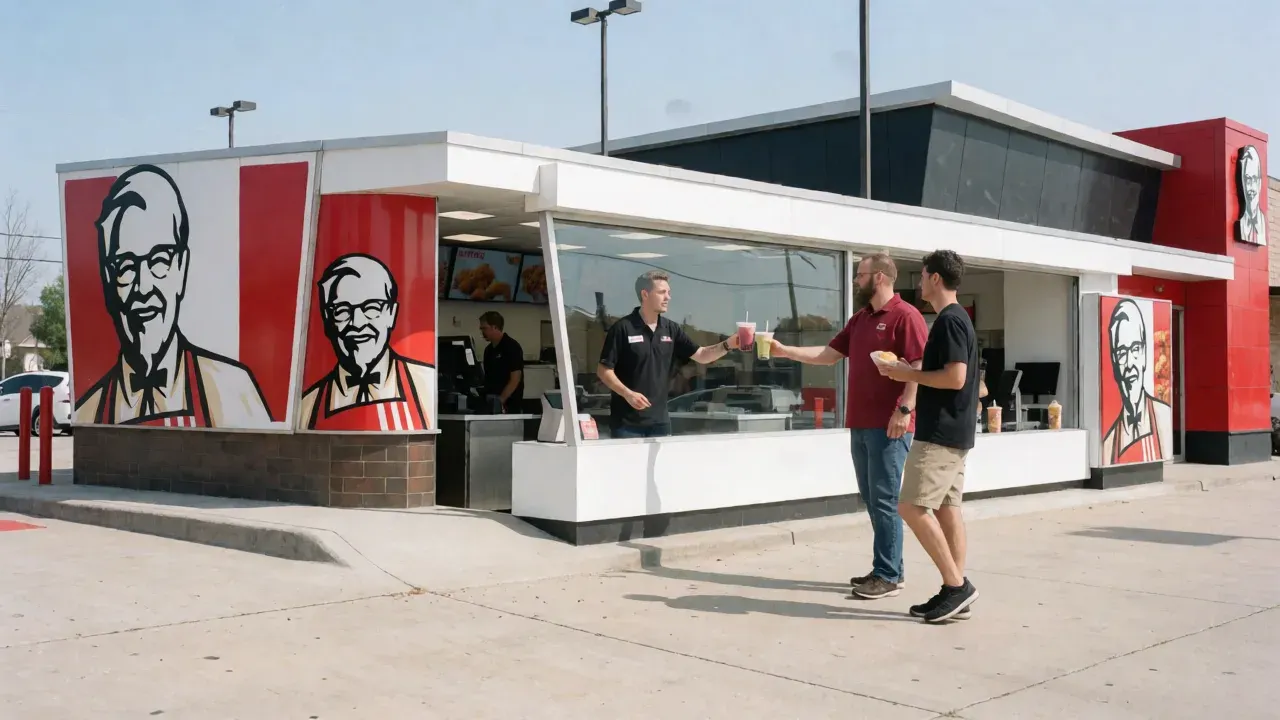
There is a difference between a gimmick and a well-thought-out pivot. KFC seems to understand that distinction. The chain has opened a futuristic restaurant in McKinney, Texas. This spot, located off of Eldorado Road, is a 3,400-square-foot prototype designed to show where the brand might be in ten years. It is not just about serving more chicken. It is about serving chicken in a way that fits the modern customer's life. Catherine Tan-Gillespie, President of KFC U.S., describes this as a "comeback plan." She says the design reworks all four Ps, product, place, price, and promotion, at once. For a business that has seen its share of ups and downs, this kind of focus is refreshing. You can read more about the franchise directory here.
The menu changes at this location are the most talked-about part. It is KFC’s first restaurant to serve breakfast. It also offers table service, boba tea, cronuts, and Krunch shakes. There are new sauces and location-exclusive items like the Twister and Southwest Corn. But it is not all chaos. The chain is trying to simplify the experience. Every combo now comes standard with fries, a biscuit, a dip, and a drink. This removes the confusion about what is included. It also makes it easier for employees to execute orders without memorizing dozens of variations. The goal is to make it easier for customers to understand what they are getting and easier for the staff to get the job done. We have seen how simplifying menus can help franchises succeed over the long term.
Operational efficiency is another key focus of this project. The drive-thru has been completely reworked. Open House runs dual drive-thru lanes alongside a separate walk-up window and a dedicated mobile pickup lane. An executive admitted that this specific combination of lanes is not something they would want at every location. They are treating McKinney as a laboratory. They want to figure out what works best for each market. Behind the counter, the technology is different too. Every register, kiosk, and kitchen screen runs on Byte, the same point-of-sale platform CEO Chris Turner has pushed across Yum! Brands. A new oven doubles as a rethermalizer, cutting the equipment franchisees need to buy in half. There is even a sauce-dispensing machine built by a California startup that drops three sauces into a container and seals it automatically. These are practical upgrades that save money and time.

The design of the building itself tries to evoke the brand's history while looking forward. The structure features skylights, succulent gardens, and red fins reminiscent of tail feathers. The goal is to beckon customers to stop by, eat, and chat. It is a return to the feeling of the Colonel being behind the counter. Tan-Gillespie noted that KFC lives in people's memories, and the brand is loved but latent. The hope is that these physical changes will help wake up that love again. The testing ground approach is smart. The executives call it "the art of the possible" rather than a finished blueprint. They want to try things and see what works best before rolling them out nationally.
There are some fun additions too, like a dedicated Celebration Booth with customizable, digitally enhanced photos. There is also a swag bar selling exclusive merch, including a pair of fried chicken-print socks. A reworked mashed potato recipe and items like Fried Green Beans, Rainbow Coleslaw, and Spicy Pickles round out the offerings. Colorful drinks like lemonades, mango, and cherry boba refreshers provide variety for younger customers. While not every item on this menu will make it past this one North Dallas location, the willingness to experiment shows a company trying to adapt. It is a bold step to ask what the Colonel would build today and how he would feed a modern crowd.
First reported by Entrepreneur.
More in New Business
- Your Next Million AI Users May Not Use English
Founders must treat multilingual AI as a core discipline, not an afterthought, to tap into rapidly growing non-English markets, where token inefficiencies, data gaps, and interface mismatches can undermine performance and profitability.
- From $300 Million Paychecks to Nonprofit Powerhouse: How CC Sabathia Built an Empire on His Legacy
The Yankees are retiring No. 52 and the Hall of Famer is using his massive platform to build a lasting business.
- 7 Person Marketing Team Using AI: The Blueprint to Stop Batching Tasks
Here is how to build a team that works without the payroll