

Stop the Spam: Why 43% of Customers Are Leaving You and How to Fix It
Modern tools make it easy to annoy the people you want to keep.

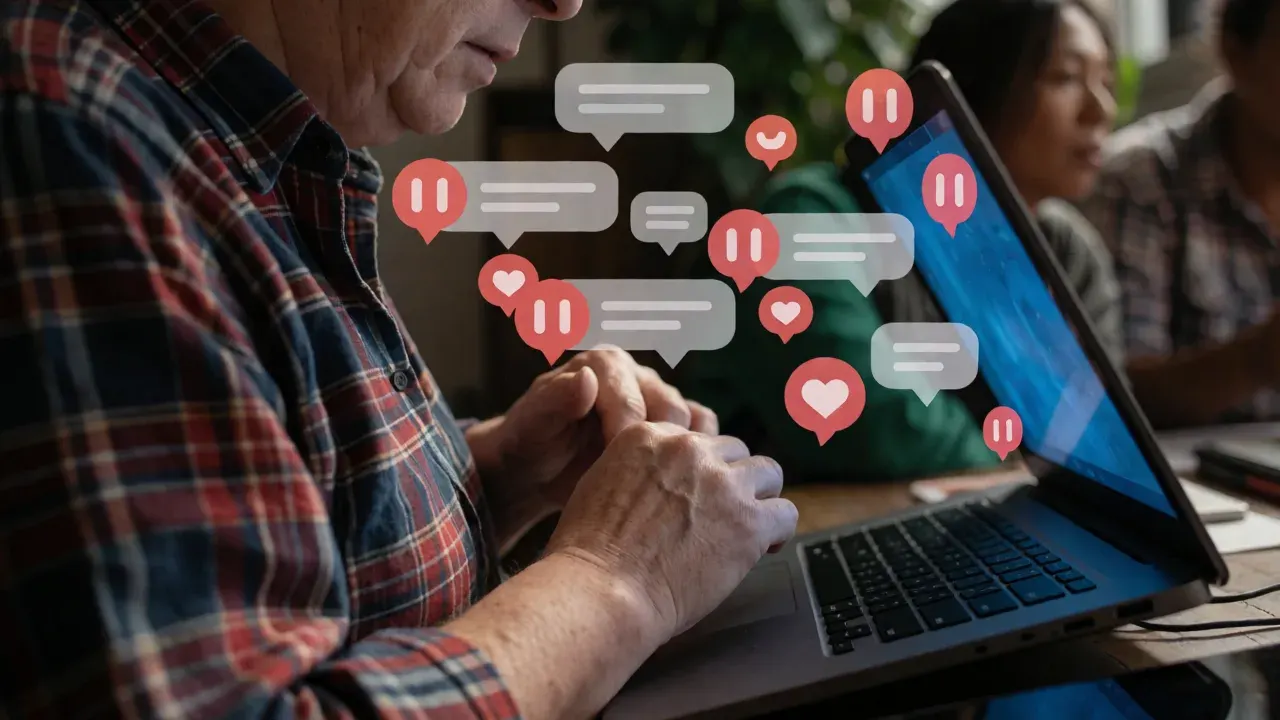
Back in the old days a salesperson used to have to get off the stool and walk to the customer to make another pitch. That took effort. It cost money. It created a natural stopping point where a business owner had to decide if the cost of another flyer or another sales call was worth the chance of making a sale. We do not have those constraints anymore. We have digital tools that run on autopilot and can send messages to people across the world without the business owner ever leaving the chair. We need a new skill for this new world. I think the most underrated marketing skill today is knowing when to stop.
The first thing you have to understand is that a signal is not the same thing as intent. Just because someone visits your website or clicks on an email link does not mean they are ready to buy what you are selling. It is easy to get confused by the data. A person might look at patio furniture for the summer but end up buying something else. Or they might research a hotel for a trip they never actually take. Then the marketing machine kicks in. It assumes that one click means they have a deep and enduring passion for that product. This leads to a problem where you are sending a customer emails and ads for something they have completely forgotten about. Tech has removed the natural brakes that used to keep companies from chasing leads endlessly.
I looked at a report from Boston Consulting Group that examined over 23 000 consumers. The findings were interesting because they showed a split personality when it comes to personalization. Four in five people are actually comfortable with personalized experiences. That sounds great for a business owner. However the same study found that two-thirds of people have recently run into personalization that was either inaccurate or invasive. Those experiences push people to unsubscribe or simply not come back. This tells me that the customer experience is fragile. It is easy to get it wrong. When you guess wrong about what a customer wants you are not helping your business you are hurting it.

Think about your own behavior online. You look at a few things. You close the tab. But the company thinks you are now a loyal fan of whatever you looked at. A survey from Site Impact looked at U.S. adults who regularly receive personalized marketing. It found that 57 percent of people are frequently targeted for products they looked at once but never seriously considered buying. That is a huge number. An even clearer warning sign came from the same survey. Forty-three percent of people said they have stopped considering or purchasing from a brand because its personalization was repetitive too personal or simply wrong. When you treat a customer like a data point instead of a person you get this result. You do not want to be the brand that people ignore.
Even the advertising platforms themselves understand this concept. Google Ads allows advertisers to set frequency caps for display and video campaigns. This is a built-in stop button. It reflects a basic tension that every business faces. You need repetition for someone to remember you but at some point another impression accomplishes nothing. A study from Decision Support Systems modeled consumer "ad fatigue" and produced an inverted-U curve. This shows that advertising generates increasing returns up to a point and then produces diminishing or negative ones. There is no universal number for this. Five impressions might be too many in one situation and nowhere near enough in another. This is why judgment matters. You cannot just rely on the software to tell you when to quit. You have to use your own good sense.
This gets harder because most companies do not have a single system. They have a mess of different platforms. They use an email platform a CRM advertising platforms SMS software social media sales automation and customer service software. Each of these systems has its own rules and its own view of the customer. The customer does not care about this complexity. They do not think "That is only my fourth marketing email because the other three came through different channels." They think "Why won't this company leave me alone?" That is the bottom line. Your stopping rules need to operate across the entire customer relationship.
The economics of persistence have changed with the rise of AI. Until recently even automated marketing had constraints because humans still had to write the emails and build the sequences. Generative AI removes most of that friction. It can create variations of ads and emails in seconds. This makes good marketing dramatically more efficient but it also makes bad marketing relentless. Consumers have a limit even when the personalization is right. Adobe’s 2026 consumer research found that 45 percent of customers would disengage from a brand if they received too many promotions even relevant ones. The marginal cost of another message keeps falling but the cost to the customer’s patience does not.
As you add more automation and AI to your marketing I think every entrepreneur should ask these four questions. First how strong was the original signal? Someone requesting a demo is telling you something very different from someone spending 30 seconds on a product page. Do not treat curiosity as intent. Second how old is the signal? Customer data should depreciate. A search from yesterday might tell you something important. A search from six months ago may tell you almost nothing. Your marketing system needs a forgetting function. Third how much have you already said? Look across channels rather than evaluating each one separately. Fourth what should make us stop? Marketers spend enormous time designing triggers like if the customer does X we do Y. Put equal thought into suppression triggers. A purchase silence a service problem or a plain expression of disinterest should change what happens next.
None of this means giving up easily. Repetition works. Follow-up works. Any salesperson can tell you that a "no" sometimes becomes a "yes" months later. But there is a difference between persistence and refusing to take a hint. Technology has given entrepreneurs extraordinary tools for figuring out what message to send next. The businesses that use them best will not be the ones that send the most messages. They will be the ones that know when they have said enough.
First reported by Entrepreneur.
More in New Business
- Your Next Million AI Users May Not Use English
Founders must treat multilingual AI as a core discipline, not an afterthought, to tap into rapidly growing non-English markets, where token inefficiencies, data gaps, and interface mismatches can undermine performance and profitability.
- From $300 Million Paychecks to Nonprofit Powerhouse: How CC Sabathia Built an Empire on His Legacy
The Yankees are retiring No. 52 and the Hall of Famer is using his massive platform to build a lasting business.
- 7 Person Marketing Team Using AI: The Blueprint to Stop Batching Tasks
Here is how to build a team that works without the payroll