Ketogenic Diet Linked to Greater Reductions in Liver Fat and Prediabetes
A recent clinical trial suggests that a ketogenic diet may offer significant metabolic benefits beyond weight loss, particularly in reducing liver fat and improving prediabetes outcomes.

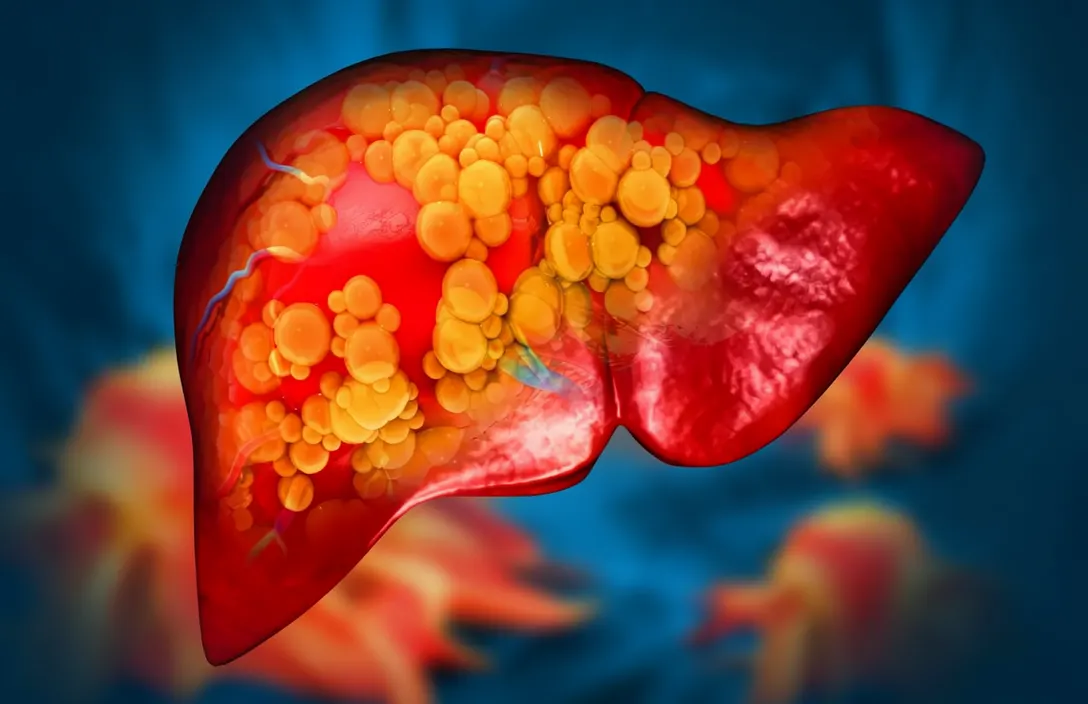
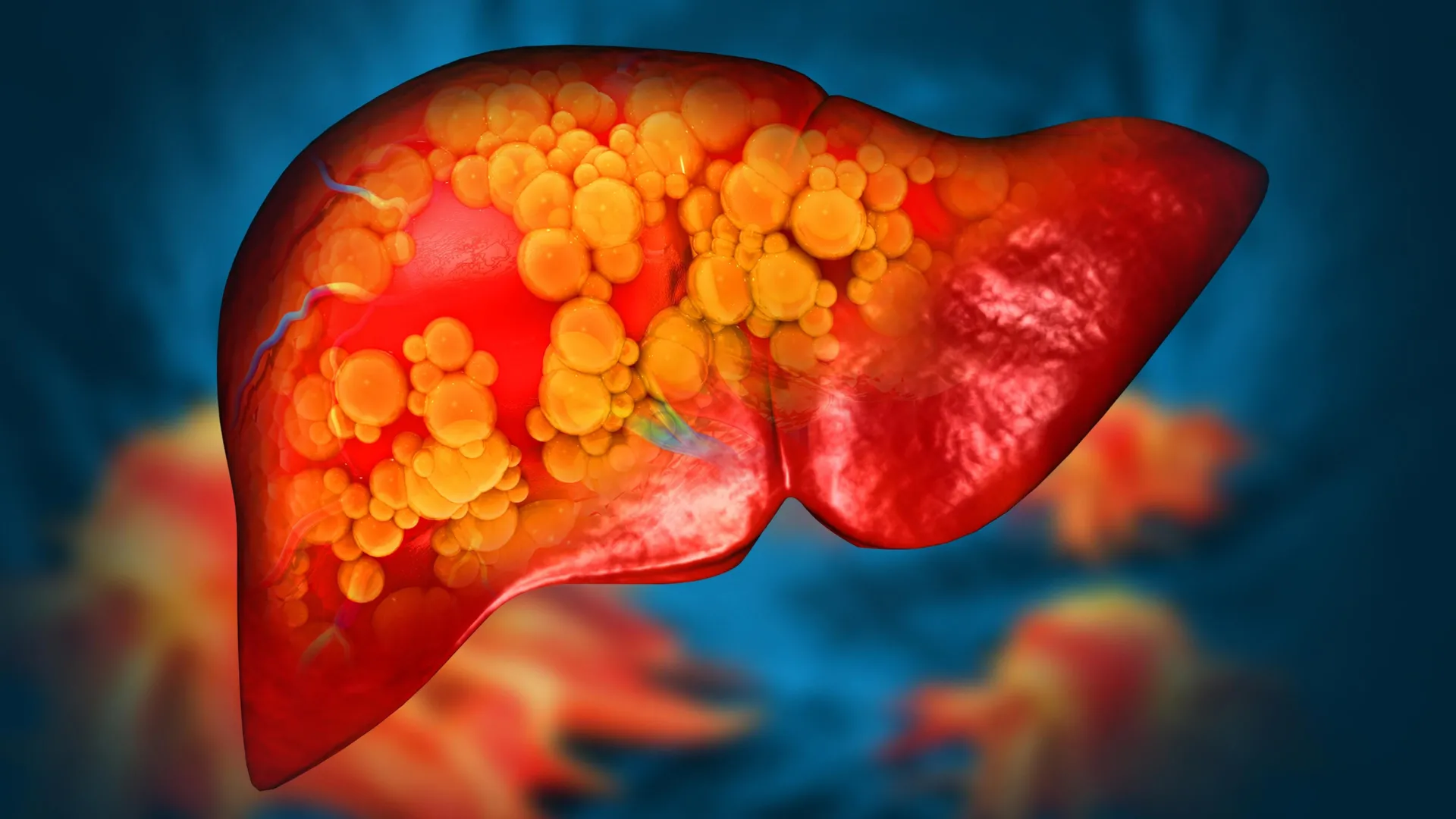
A clinical trial comparing the effects of a ketogenic diet, Mediterranean diet, and low-fat diet on metabolic health found that the ketogenic approach led to significantly greater reductions in liver fat. Participants following a very low-carbohydrate, high-fat diet experienced a 67% reduction in liver fat, compared to 45% in both the Mediterranean and low-fat groups. This difference occurred despite all groups losing similar amounts of weight, suggesting that the type of diet, not just weight loss, may influence liver fat levels (source ID: 1). [1]
The study also found that approximately half of the participants assigned to the ketogenic diet no longer met the diagnostic criteria for prediabetes after four to five months. In contrast, only 29% of those on the Mediterranean diet and 7% on the low-fat diet achieved the same outcome. These results indicate that the composition of the diet may have a significant impact on blood sugar regulation and metabolic health (source ID: 1). [1]
Despite consuming nearly three-quarters of their calories from fat, participants on the ketogenic diet did not show an increase in blood fat or cholesterol levels during the study. This finding challenges some common assumptions about high-fat diets and highlights the need for further research into the long-term effects of different dietary approaches on metabolic health (source ID: 1). [1]
A clinical trial comparing the effects of a ketogenic diet, Mediterranean diet, and low-fat diet on metabolic health found that the ketogenic approach led to significantly greater reductions in liver fat. The study, conducted by researchers at Washington University School of Medicine, involved 42 adults with obesity, prediabetes, and fatty liver disease. Participants were randomly assigned to one of the three diets, with all meals provided and weekly consultations with a dietitian to ensure adherence (1). [1]
Advertisement
The ketogenic group experienced an average 67% reduction in liver fat, compared with a 45% reduction in both the Mediterranean and low-fat groups. Despite consuming nearly three-quarters of their calories from fat, participants on the ketogenic diet did not show an increase in blood fat or cholesterol levels during the study. This finding was unexpected and highlights the potential metabolic benefits of carbohydrate restriction (1). [1]
Approximately half of the participants assigned to the ketogenic diet no longer met the diagnostic criteria for prediabetes after four to five months. By comparison, 29% of those on the Mediterranean diet and 7% of those on the low-fat diet achieved this milestone. These results suggest that the composition of a diet may influence metabolic health beyond weight loss alone (1). [1]
A clinical trial comparing the effects of a ketogenic diet, Mediterranean diet, and low-fat diet on metabolic health found that the ketogenic approach led to significantly greater reductions in liver fat. The study also found that approximately half of the participants assigned to the ketogenic diet no longer met the diagnostic criteria for prediabetes after four to five months. Despite consuming nearly three-quarters of their calories from fat, participants on the ketogenic diet did not show an increase in blood fat or cholesterol levels during the study (Source ID: 1). [1]
The ketogenic group experienced an average 67% reduction in liver fat, compared with a 45% reduction in both the Mediterranean and low-fat groups. Approximately half of the participants assigned to the ketogenic diet no longer met the diagnostic criteria for prediabetes after four to five months. These findings suggest that the types of foods people eat can influence metabolic health in ways that extend beyond the number of pounds they lose (Source ID: 1). [1]
Advertisement
Researchers adjusted calorie intake individually so that participants across all three groups lost approximately 10% of their starting body weight. By the end of the intervention, every group had experienced meaningful reductions in body fat and improvements in insulin sensitivity. However, the similarities between the groups largely ended there (Source ID: 1). [1]
The ketogenic diet produced the largest improvements in several important indicators of liver function and metabolic health. Participants following keto experienced an average 67% reduction in liver fat, compared with a 45% reduction in both the Mediterranean and low-fat groups. The findings also highlight a potentially important distinction in weight management: losing weight and improving metabolic health are closely connected, but they are not necessarily the same thing (Source ID: 1). [1]
Sources
ScienceDaily Health & Medicine
Prepared with AI assistance from the cited sources.
The Cali Reporter newsletter
The stories worth your time.
California, the country, and what comes next. Join our free newsletter for reporting that keeps you informed.
More in Health & Medicine
- Understanding Fascia and the Evidence Behind Fascia Release
Fascia is a connective tissue that plays a structural role in the human body, but evidence supporting specific exercises or tools for 'fascia release' remains limited.
- Antidepressant Effectiveness and Long-Term Use
A new review suggests that some antidepressants may be more effective than others in helping people manage depression symptoms over the long term, according to a study published in The Lancet Psychiatry.
- Experimental Weight-Loss Drug Shows Promise for Knee Osteoarthritis Pain
A new study suggests that an experimental weight-loss drug, retatrutide, may significantly reduce knee pain in people with osteoarthritis and obesity.