Implanted Electrodes Restore Function After Severe Muscle Loss in Early Tests
A new study shows that implanted electrodes can help restore muscle function after severe injuries by delivering early electrical stimulation.


Traumatic muscle injuries, such as those caused by battlefield wounds, gunshots, or surgical resections, often lead to volumetric muscle loss (VML), a condition where the muscle cannot regenerate on its own. Current treatments are largely palliative and do not reliably restore lost muscle function. A research team led by Carnegie Mellon University and the University of Pittsburgh has developed an implanted platform that delivers targeted electrical stimulation to severely injured muscle tissue (source ID 1). [1]
The study published in Acta Biomaterialia demonstrated that early, daily electrical stimulation during the acute post-injury window helped damaged skeletal muscle regain near-normal strength. This research was conducted under the Regenerative Electronic Platform through Advanced Intelligent Regulation (REPAIR) initiative. The findings indicate that early bioelectronic intervention can steer injured tissue toward repair rather than scarring (source ID 1). [1]
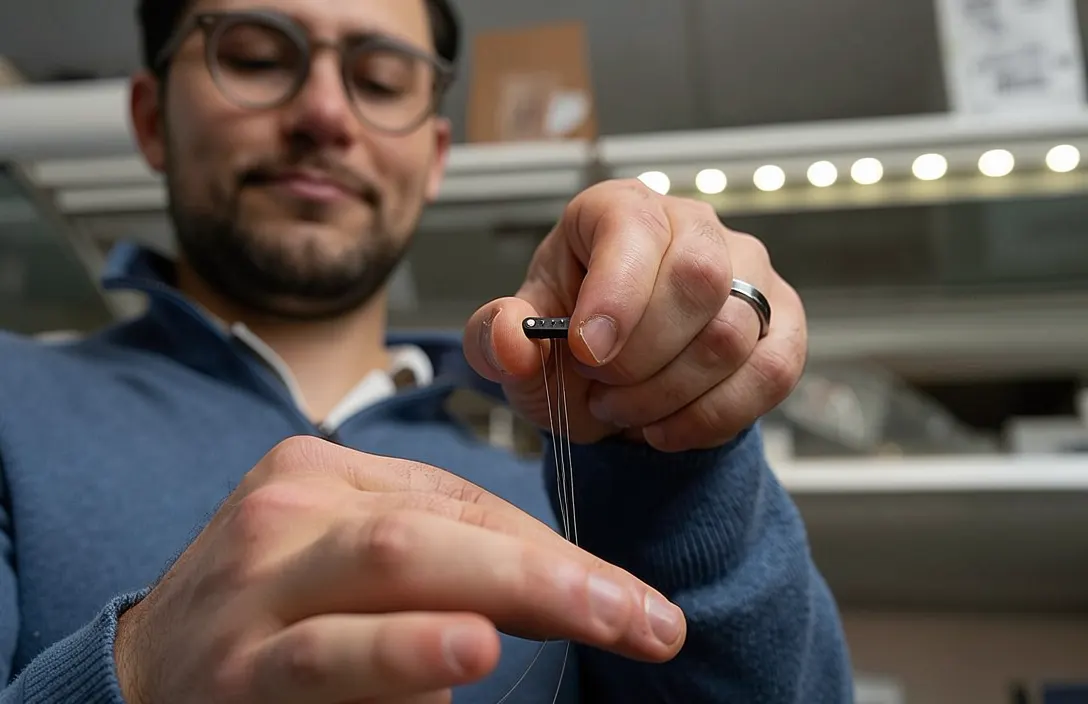
To overcome the challenges of delivering early stimulation, the research team developed a nanostructured platinum electrode designed to sit within the injured muscle and deliver stimulation from the first days of healing. The modification of multistranded stainless-steel wires through electrodeposition of nanoporous platinum expanded the electrochemically active surface area without increasing the electrode's overall size (source ID 1). [1]
The implanted electrodes remained electrochemically functional across the full eight-week study, with only a modest rise in impedance. Animals receiving the stimulation experienced a 90% of baseline torque recovery compared to the control group, which plateaued at 71% of pre-injury baseline strength. The gains were attributed to true structural remodeling within the muscle, rather than compensatory growth in neighboring, uninjured muscles (source ID 1). [1]
Advertisement
Traumatic muscle injuries, such as those caused by battlefield wounds, gunshots, or surgical resections, often lead to volumetric muscle loss (VML), a condition where the muscle cannot regenerate on its own. The study published in Acta Biomaterialia demonstrated that early, daily electrical stimulation during the acute post-injury window helped damaged skeletal muscle regain near-normal strength (Source ID: 1). [1]
To overcome the challenges of delivering early stimulation, the research team developed a nanostructured platinum electrode designed to sit within the injured muscle and deliver stimulation from the first days of healing. The implanted electrodes remained electrochemically functional across the full eight-week study, with only a modest rise in impedance (Source ID: 1). [1]
Once implanted, one-hour daily stimulation sessions were coordinated in awake, freely moving animals over the course of two weeks following injury. The intervention showed an impact during an eight-week evaluation period, with animals receiving the stimulation experiencing a 90% of baseline torque recovery compared to the control group, which plateaued at 71% of pre-injury baseline strength (Source ID: 1). [1]
Traumatic muscle injuries, such as those caused by battlefield wounds, gunshots, or surgical resections, often lead to volumetric muscle loss (VML), a condition where the muscle cannot regenerate on its own. Recovery typically brings chronic inflammation, scarring, and permanent weakness. Current treatments remain palliative, with none reliably restoring the lost muscle (Medical Xpress, 2026). [1]
Advertisement
A multi-institution research team led by Carnegie Mellon University and the University of Pittsburgh has developed an implanted platform that delivers targeted electrical stimulation to severely injured muscle tissue. In work published in Acta Biomaterialia, the team showed that early, daily stimulation during the acute post-injury window helped damaged skeletal muscle regain near-normal strength, identifying a therapeutic window that had been out of reach (Medical Xpress, 2026). [1]
To overcome the need for general anesthesia during early stimulation sessions, the research team developed a nanostructured platinum electrode designed to sit within the injured muscle and deliver stimulation from the first days of healing. The researchers modified multistranded stainless-steel wires through the electrodeposition of nanoporous platinum, resulting in a 3D porous coating that expanded the electrochemically active surface area without increasing the electrode's overall size (Medical Xpress, 2026). [1]
Once implanted, one-hour daily stimulation sessions were coordinated in awake, freely moving animals over the course of two weeks following injury. The intervention showed an impact during an eight-week evaluation period, with animals receiving the stimulation experiencing a 90% of baseline torque recovery compared to the control group, which plateaued at 71% of pre-injury baseline strength (Medical Xpress, 2026). [1]
Traumatic muscle injuries, such as those caused by battlefield wounds, gunshots, or surgical resections, often lead to volumetric muscle loss (VML), a condition where the muscle cannot regenerate on its own (source ID: 1). Recovery typically brings chronic inflammation, scarring, and permanent weakness. Current treatments remain palliative, with none reliably restoring the lost muscle. A multi-institution research team led by Carnegie Mellon University and the University of Pittsburgh has developed an implanted platform that delivers targeted electrical stimulation to severely injured muscle tissue (source ID: 1). [1]
Advertisement
In work published in Acta Biomaterialia, the team showed that early, daily stimulation during the acute post-injury window helped damaged skeletal muscle regain near-normal strength, identifying a therapeutic window that had been out of reach (source ID: 1). The research highlights several years of collaborative work on this project under the Regenerative Electronic Platform through Advanced Intelligent Regulation (REPAIR) initiative. The research team turned to the electrode interface itself, developing a nanostructured platinum electrode designed to sit within the injured muscle and deliver stimulation from the first days of healing (source ID: 1). [1]
The researchers modified multistranded stainless-steel wires through the electrodeposition of nanoporous platinum, resulting in a 3D porous coating that expanded the electrochemically active surface area without increasing the electrode's overall size (source ID: 1). That extra surface area allows each pulse to deliver more charge safely than bare stainless steel could, which is what makes stimulation from the first days after injury feasible. Once implanted, one-hour daily stimulation sessions were coordinated in awake, freely moving animals over the course of two weeks following injury (source ID: 1). [1]
The intervention showed an impact during an eight-week evaluation period, with animals receiving the stimulation experiencing a 90% of baseline torque recovery compared to the control group, which plateaued at 71% of pre-injury baseline strength (source ID: 1). Furthermore, analysis of the experimental group showed that the gains stemmed from true structural remodeling within the muscle, rather than compensatory growth in neighboring, uninjured muscles (source ID: 1). [1]
Sources
Prepared with AI assistance from the cited sources.
The Cali Reporter newsletter
The stories worth your time.
California, the country, and what comes next. Join our free newsletter for reporting that keeps you informed.
More in Health & Medicine
- Understanding Fascia and the Evidence Behind Fascia Release
Fascia is a connective tissue that plays a structural role in the human body, but evidence supporting specific exercises or tools for 'fascia release' remains limited.
- Antidepressant Effectiveness and Long-Term Use
A new review suggests that some antidepressants may be more effective than others in helping people manage depression symptoms over the long term, according to a study published in The Lancet Psychiatry.
- Experimental Weight-Loss Drug Shows Promise for Knee Osteoarthritis Pain
A new study suggests that an experimental weight-loss drug, retatrutide, may significantly reduce knee pain in people with osteoarthritis and obesity.