IL-18's Role in Pancreatic Cancer Progression
A recent study highlights the significance of IL-18 in pancreatic cancer and its potential as a therapeutic target.

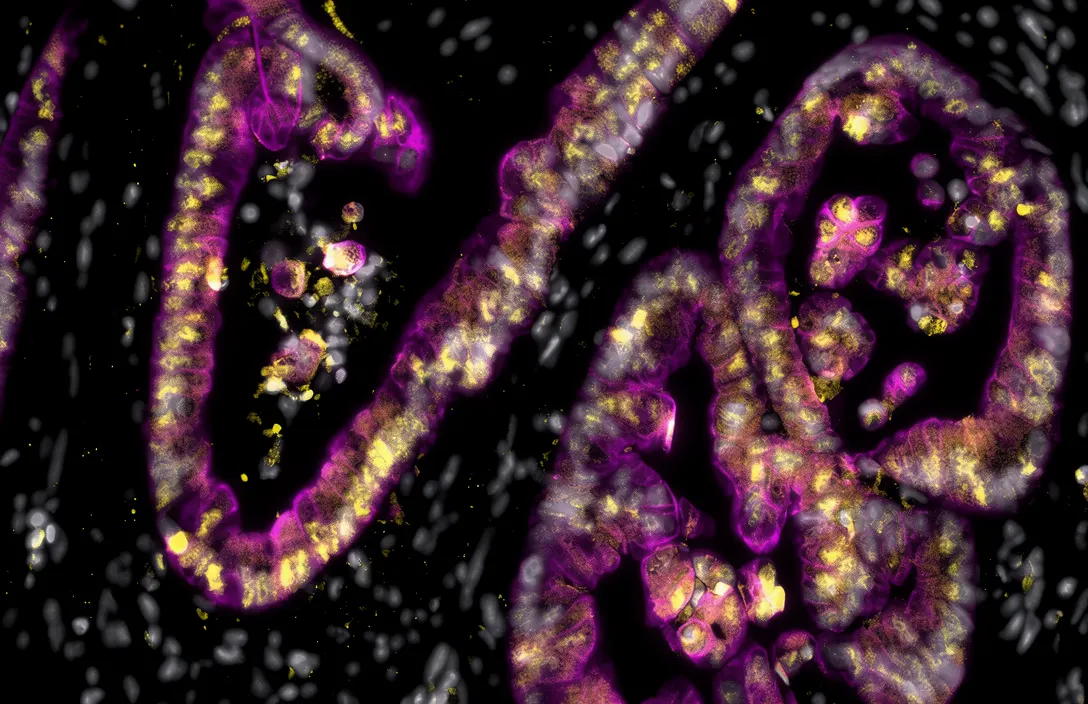

Researchers from The University of Texas MD Anderson Cancer Center have identified that the IL-18 inflammatory protein plays a crucial role in the progression of pancreatic cancer. The study, published in Gastroenterology, found that IL-18 helps pancreatic tumors evade the immune system and contributes to disease progression. By reducing IL-18 levels in preclinical models, the researchers observed a reshaping of the tumor microenvironment, slowed tumor growth, improved survival, and enhanced the effects of KRAS-targeted therapies (source ID: 1). [1]
IL-18 is a pro-inflammatory protein that is elevated in pancreatic cancer and is typically associated with poor patient outcomes. The researchers created genetically engineered models of pancreatic cancer with reduced IL-18 protein levels and examined the resulting tumor microenvironment. Reducing IL-18 delayed disease progression and extended survival in these models (source ID: 1). [1]
Further single-cell analyses revealed that IL-18 increases levels of CD47, a protein that helps cancer cells avoid being cleared by macrophage immune cells. Without IL-18, macrophages were better able to identify and destroy tumor cells. These results suggest that IL-18 influences macrophage recruitment, retention, or survival within the tumor microenvironment (source ID: 1). [1]
KRAS inhibitors are promising therapies for pancreatic cancer, but some patients can develop treatment resistance. The researchers found that KRAS inhibition increased IL-18 levels, which appears to help tumors survive treatment. Interestingly, adding KRAS inhibition to preclinical models without IL-18 improved the antitumor response (source ID: 1). [1]
Advertisement
Researchers from The University of Texas MD Anderson Cancer Center have discovered that the IL-18 inflammatory protein plays a key role in pancreatic cancer progression and immune evasion (1). IL-18 is a pro-inflammatory protein that is elevated in pancreatic cancer and is typically associated with poor patient outcomes (1). In preclinical models, reducing IL-18 levels led to a reshaped tumor microenvironment, slower tumor growth, improved survival, and enhanced effects of KRAS-targeted therapies (1). [1]
Further single-cell analyses revealed that IL-18 increases levels of CD47, a protein that helps cancer cells avoid being cleared by macrophage immune cells (1). This "don't eat me" signal allows pancreatic cancer cells to evade immune detection, contributing to tumor progression and reduced survival (1). The study suggests that IL-18 influences macrophage recruitment, retention, or survival within the tumor microenvironment (1). [1]
KRAS inhibitors are promising therapies for pancreatic cancer, but some patients can develop treatment resistance (1). The researchers found that KRAS inhibition increased IL-18 levels, which appears to help tumors survive treatment (1). Adding KRAS inhibition to preclinical models without IL-18 improved the antitumor response, indicating that targeting IL-18 may enhance macrophage response and improve responses to KRAS inhibitor therapies in patients with pancreatic cancer (1). [1]
Researchers from The University of Texas MD Anderson Cancer Center have discovered that the IL-18 inflammatory protein helps pancreatic tumors grow and evade the immune system, highlighting its potential as a therapeutic target for pancreatic cancer (1). Reducing levels of IL-18 in preclinical models reshaped the tumor microenvironment, slowed tumor growth, improved survival, and enhanced the effects of KRAS-targeted therapies (1). The study, published in Gastroenterology, was co-led by Yang Chen, Ph.D., assistant professor of Translational Molecular Pathology, and Xinlei Sun, Ph.D., postdoctoral fellow in Translational Molecular Pathology (1). [1]
Advertisement
IL-18 is a pro-inflammatory protein that helps regulate the immune response and is known to be elevated in pancreatic cancer, typically associated with poor patient outcomes (1). To understand its role, the researchers created genetically engineered models of pancreatic cancer with reduced IL-18 protein levels and examined the resulting tumor microenvironment (1). Reducing IL-18 delayed disease progression and extended survival in these models (1). [1]
Further single-cell analyses revealed that IL-18 increases levels of CD47, a protein that is known as the 'don't eat me' signal because it helps cancer cells avoid being cleared by macrophage immune cells (1). Without IL-18, macrophages were better able to identify and destroy tumor cells (1). These results suggest that IL-18 somehow influences macrophage recruitment, retention, or survival within the tumor microenvironment (1). [1]
KRAS inhibitors are promising therapies for pancreatic cancer, but some patients can develop treatment resistance (1). The researchers found that KRAS inhibition increased IL-18 levels, which appears to help tumors survive treatment (1). Interestingly, adding KRAS inhibition to preclinical models without IL-18 improved the antitumor response (1). These findings suggest that targeting IL-18 may enhance macrophage response and may improve responses to KRAS inhibitor therapies in patients with pancreatic cancer (1). [1]
Researchers from The University of Texas MD Anderson Cancer Center have discovered that the IL-18 inflammatory protein helps pancreatic tumors grow and evade the immune system, highlighting its potential as a therapeutic target for pancreatic cancer (1). Reducing levels of IL-18 in preclinical models reshaped the tumor microenvironment, slowed tumor growth, improved survival, and enhanced the effects of KRAS-targeted therapies (1). [1]
Advertisement
IL-18 is a pro-inflammatory protein that helps regulate the immune response and is known to be elevated in pancreatic cancer, typically associated with poor patient outcomes (1). Further single-cell analyses revealed that IL-18 increases levels of CD47, a protein that is known as the 'don't eat me' signal because it helps cancer cells avoid being cleared by macrophage immune cells (1). [1]
KRAS inhibitors are promising therapies for pancreatic cancer, but some patients can develop treatment resistance (1). The researchers found that KRAS inhibition increased IL-18 levels, which appears to help tumors survive treatment (1). Interestingly, adding KRAS inhibition to preclinical models without IL-18 improved the antitumor response (1). [1]
Sources
Prepared with AI assistance from the cited sources.
The Cali Reporter newsletter
The stories worth your time.
California, the country, and what comes next. Join our free newsletter for reporting that keeps you informed.
More in Health & Medicine
- Understanding Fascia and the Evidence Behind Fascia Release
Fascia is a connective tissue that plays a structural role in the human body, but evidence supporting specific exercises or tools for 'fascia release' remains limited.
- Antidepressant Effectiveness and Long-Term Use
A new review suggests that some antidepressants may be more effective than others in helping people manage depression symptoms over the long term, according to a study published in The Lancet Psychiatry.
- Experimental Weight-Loss Drug Shows Promise for Knee Osteoarthritis Pain
A new study suggests that an experimental weight-loss drug, retatrutide, may significantly reduce knee pain in people with osteoarthritis and obesity.