Hydrogen Flame Visibility Affected by Sodium in the Air
A new study reveals that the visibility of hydrogen flames can be significantly influenced by sodium levels in the surrounding air, which has important implications for the development of hydrogen-powered appliances.

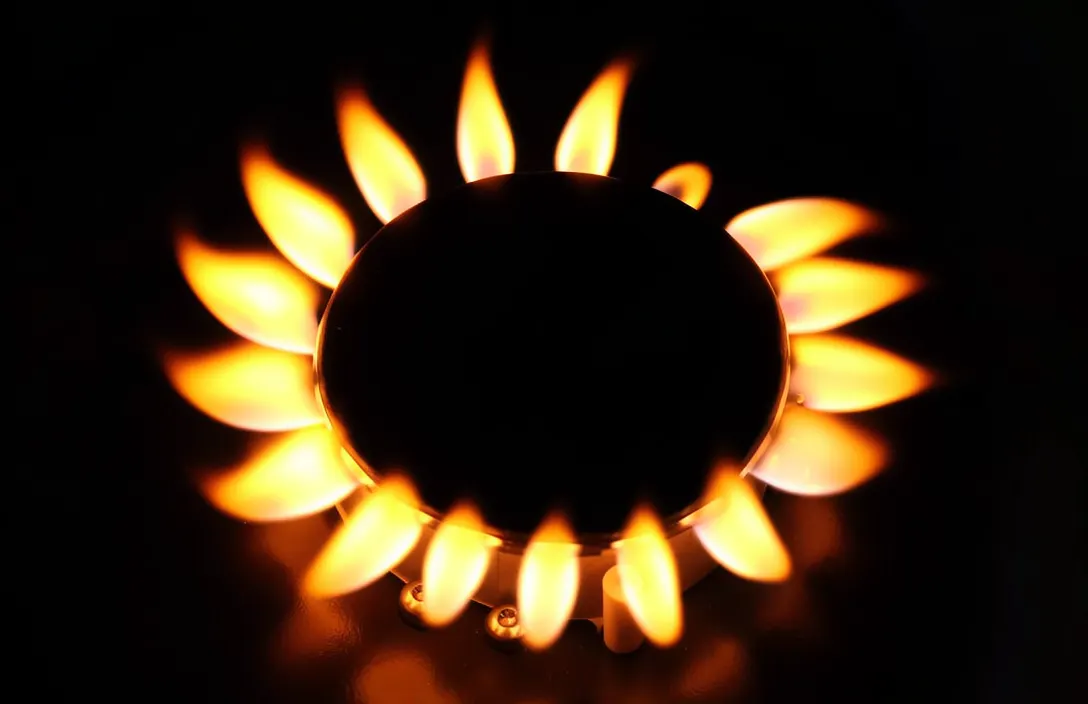
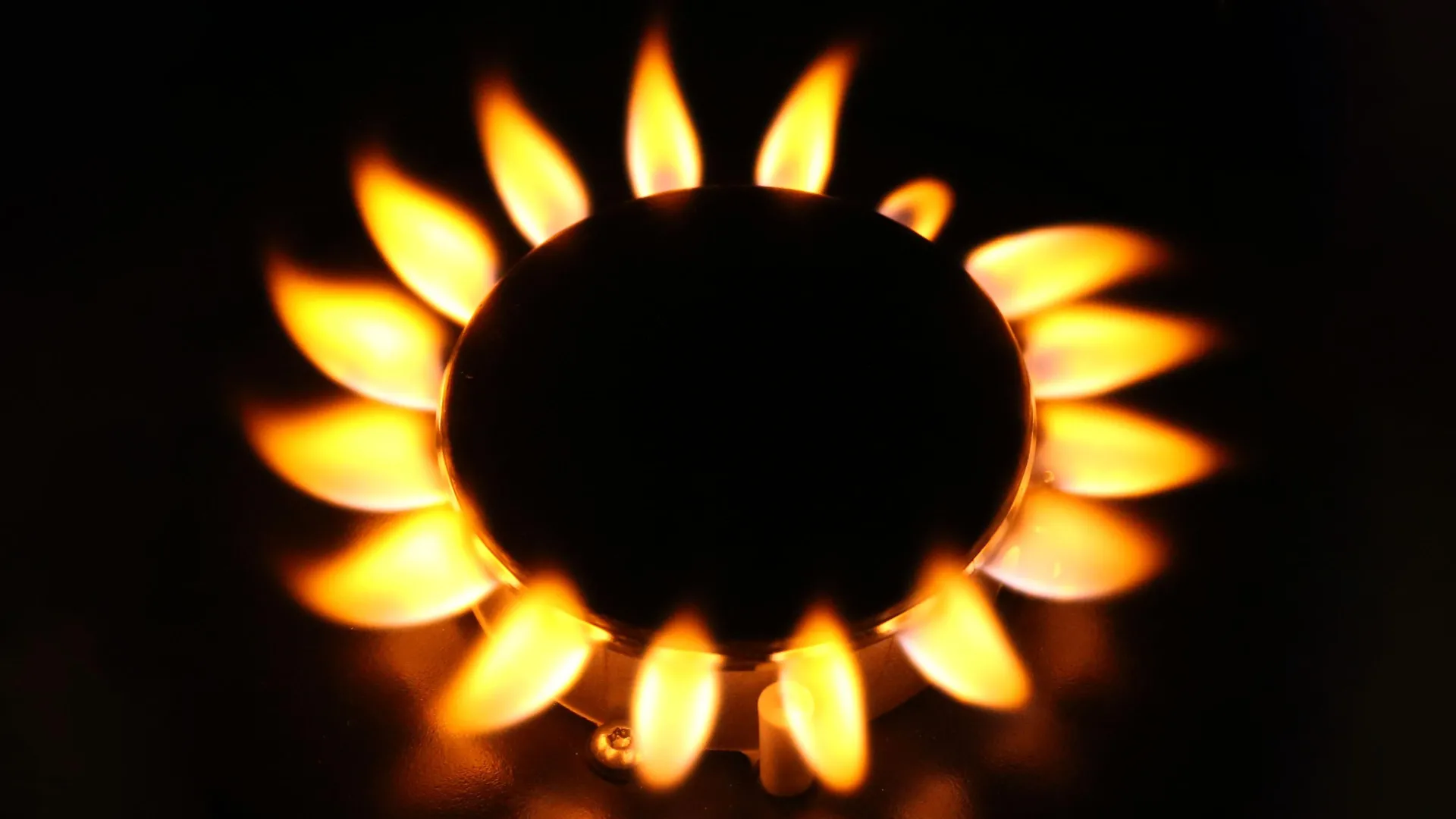
Hydrogen flames can exhibit dramatic changes in color and visibility, even when the burner settings remain constant, according to a study published in Next Energy. Researchers at Adelaide University found that sodium, a naturally occurring element carried through the air in microscopic particles, plays a significant role in this phenomenon. Sea salt transported inland by the wind is one important source of sodium. When sodium is present in the air, hydrogen flames can take on a noticeable orange glow. However, when sodium concentrations fall, the flames become much harder to see, even though the burner continues operating under the same conditions (1). [1]
The study combined controlled laboratory experiments with outdoor testing around Adelaide to examine how hydrogen flames respond to variations in atmospheric conditions. Over two weeks, the researchers monitored light emissions from hydrogen flames while keeping the burner settings unchanged. Despite the consistent operating conditions, the sodium-related light signal varied by more than 28 times between its lowest and highest recorded values. Weather played a major role in those differences, as air that had passed over the ocean generally contained more sodium, producing flames with a stronger orange glow (1). [1]
Hydrogen flames emit less visible light on average compared to natural gas flames, even under favorable atmospheric conditions. This difference presents a challenge for appliances that rely on visible flames to indicate whether a burner is operating. Hydrogen combustion can also produce faint blue and red light, but these colors are easiest to detect in darkened surroundings, making them less useful as reliable visual indicators under everyday lighting conditions (1). [1]
The researchers emphasized that the findings do not undermine hydrogen's potential as an energy source but highlight the need for engineering solutions that accommodate hydrogen's unique properties. Engineers may need to incorporate other detection technologies, such as specialized ultraviolet or infrared flame detectors and temperature sensors, to ensure the safe and reliable operation of hydrogen-powered appliances (1). [1]
Advertisement
Hydrogen flames can exhibit dramatic changes in color and visibility, even when the burner settings remain constant, according to a study published in Next Energy. The study combined controlled laboratory experiments with outdoor testing around Adelaide to examine how hydrogen flames respond to variations in atmospheric conditions. Hydrogen flames emit less visible light on average compared to natural gas flames, even under favorable atmospheric conditions. The researchers emphasized that the findings do not undermine hydrogen's potential as an energy source but highlight the need for engineering solutions that accommodate hydrogen's unique properties (1). [1]
The study found that the presence of sodium in the air significantly affects hydrogen flame visibility. Sodium, carried through the air in microscopic particles, can come from sources such as sea salt transported inland by the wind. When sodium concentrations are high, hydrogen flames can take on a noticeable orange glow, but when concentrations fall, the flames become much harder to see, even though the burner continues operating under the same conditions. This variability in flame appearance could pose challenges for the development of hydrogen-powered appliances (1). [1]
Researchers observed that over two weeks of testing, the sodium-related light signal from hydrogen flames varied by more than 28 times between its lowest and highest recorded values. Weather played a major role in these differences, as air that had passed over the ocean generally contained more sodium, producing flames with a stronger orange glow. When the air carried less sodium, the flames appeared considerably fainter. These findings underscore the importance of understanding how environmental factors influence hydrogen flame behavior (1). [1]
Hydrogen flames can exhibit dramatic changes in color and visibility, even when the burner settings remain constant, according to a study published in Next Energy. The study found that the presence of sodium in the air significantly affects hydrogen flame visibility. Researchers observed that over two weeks of testing, the sodium-related light signal from hydrogen flames varied by more than 28 times between its lowest and highest recorded values (source ID: 1). [1]
Advertisement
The researchers combined controlled laboratory experiments with outdoor testing around Adelaide to examine how hydrogen flames respond to variations in atmospheric conditions. They found that air that had passed over the ocean generally contained more sodium, producing flames with a stronger orange glow. When the air carried less sodium, the flames appeared considerably fainter (source ID: 1). [1]
Hydrogen flames emit less visible light on average compared to natural gas flames, even under favorable atmospheric conditions. The researchers emphasized that the findings do not undermine hydrogen's potential as an energy source but highlight the need for engineering solutions that accommodate hydrogen's unique properties (source ID: 1). [1]
Sources
Prepared with AI assistance from the cited sources.
The Cali Reporter newsletter
The stories worth your time.
California, the country, and what comes next. Join our free newsletter for reporting that keeps you informed.
More in Science
- Volcanic Eruption Reshapes Iwo Jima’s Coastline
A recent volcanic eruption near Iwo Jima has temporarily extended the island's black sand beaches, though the longevity of the new land remains uncertain.
- Galaxies in the NGC 7771 Group Engage in Cosmic Merger
Astronomers have observed a group of galaxies in the NGC 7771 Group, which is located approximately 200 million light-years away in the constellation Pegasus. These galaxies are in the process of merging, a phenomenon…
- NASA Awards Contract for NOAA’s Near Earth Orbit Network Program
NASA has awarded a contract to Northrop Grumman Systems Corporation for the Sounder for Microwave-Based Applications (SMBA) instruments on NOAA’s Near Earth Orbit Network (NEON) satellites. The contract includes a…