Humor in Contemporary Art as a Serious Medium
An exhibition exploring the role of humor in contemporary art invites viewers to reconsider the significance of laughter in artistic expression.

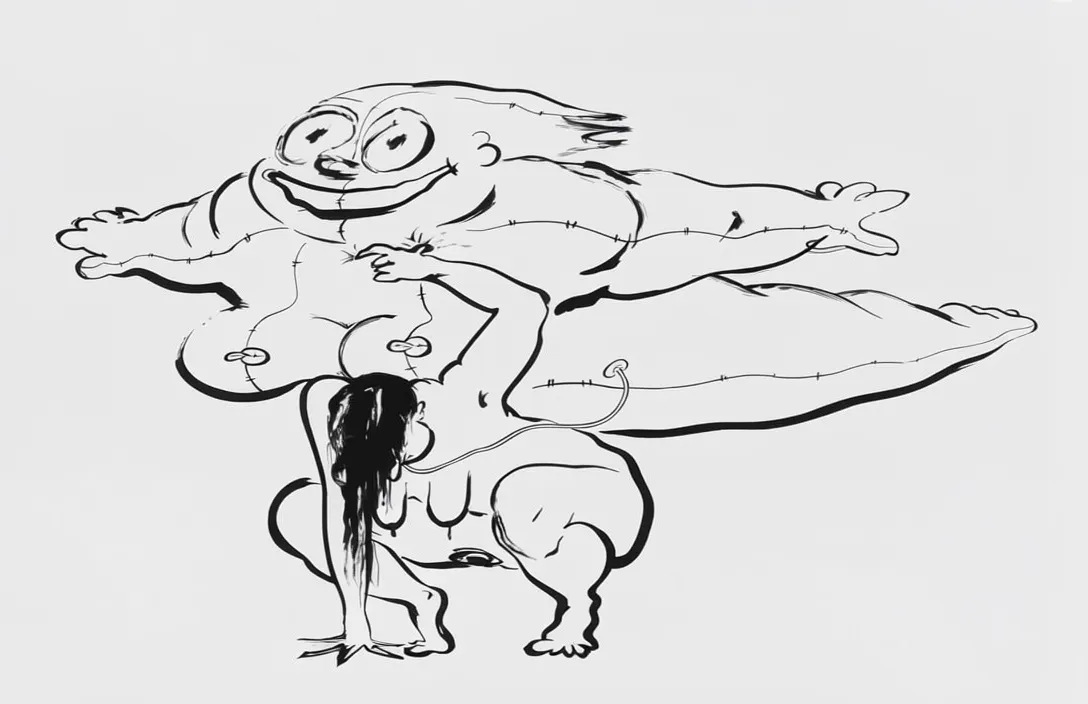
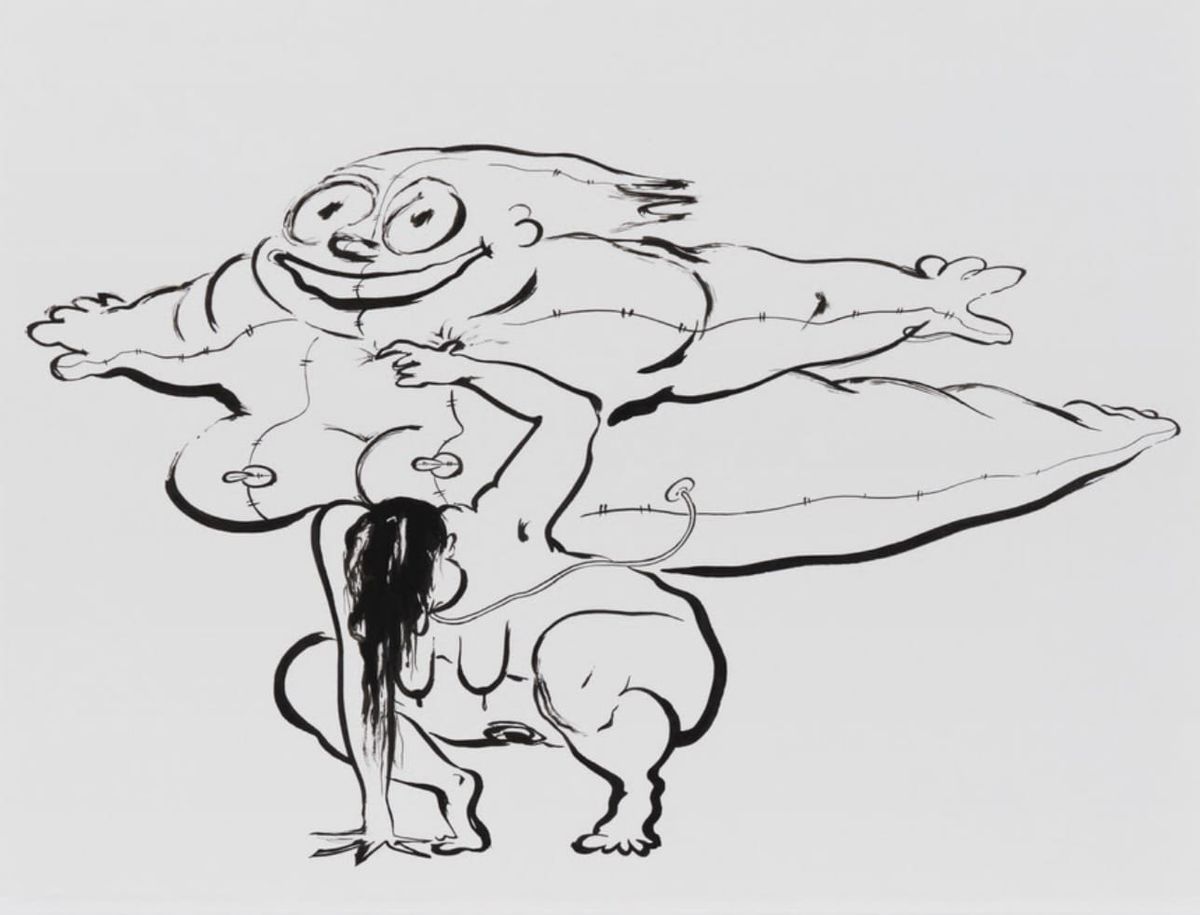
A sprawling exhibition across two New York campus galleries explores humor in contemporary art, imploring us to take seriously the jokes artists made and preserved in time (Hyperallergic). The exhibition, titled Does This Taste Funny?: Humor in Contemporary Art, spans the Lehman College Art Gallery in the Bronx and The Gallery at Heimbold Visual Arts Center at Sarah Lawrence in Bronxville. Co-curators Melissa Brown and John O’Connor use humor’s various tones — absurd, cringe, slapstick, ironic — as organizing principles to present the work of 41 artists, ranging from museum heavy hitters to contemporary rising stars (Hyperallergic). [1]
Humor is described as an emotional response that’s a little bit like a sneak attack, causing viewers to think about things in a way that is not led by a press release or predetermined by art history (Hyperallergic). The participatory nature of humor means this show is uniquely invested in perception, and in provoking a certain response. As at an open mic, viewers feel the pressure of bearing witness, aware of their role as audience members with the power to deem certain works successful or not by producing that ever-elusive involuntary laugh (Hyperallergic). [1]
The exhibition includes a range of works, from Karl Wirsum’s drawing “Untitled (Study for Blue Tattoo)” (1964) to contemporary pieces like Kristen Mills’s “It IS Cake” (2026), a filmic parody of a Netflix baking contest series (Hyperallergic). The show also features works that directly respond to political moments, such as John Vasquez Mejias’s “The Puerto Rican War” (2026), which expands his novelette about revolutionaries fighting colonialism in 1950. The Puerto Ricans’ demands are not funny, but some of the depictions of American incompetence are (Hyperallergic). [1]
A sprawling exhibition across two New York campus galleries explores humor in contemporary art, imploring us to take seriously the jokes artists made and preserved in time (Hyperallergic). The exhibition, titled Does This Taste Funny?: Humor in Contemporary Art, features works from 41 artists, using humor’s various tones — absurd, cringe, slapstick, ironic — as organizing principles (Hyperallergic). Co-curators Melissa Brown and John O’Connor aim to highlight how humor functions as a potent artistic device, capable of provoking personal and emotional responses (Hyperallergic). [1]
Advertisement
Humor is described as an emotional response that’s a little bit like a sneak attack, causing viewers to think about things in a way that is not led by a press release or predetermined by art history (Hyperallergic). Brown emphasized that humor tends to be anti-didactic, with the viewer either laughing or not, and that what one finds funny can reveal information about their psychic state (Hyperallergic). This participatory nature of humor makes the exhibition uniquely invested in perception and in provoking a specific response from the audience (Hyperallergic). [1]
The exhibition includes a range of works, from Karl Wirsum’s drawing “Untitled (Study for Blue Tattoo)” (1964) to contemporary pieces like Kristen Mills’s “It IS Cake” (2026), a filmic parody of a Netflix baking contest series (Hyperallergic). The oldest featured work, Wirsum’s drawing, is significant for its historical context and its reliance on visual references that are essential for appreciating the joke beyond the most base level (Hyperallergic). The exhibition also features more recent pieces that engage with current issues, such as John Vasquez Mejias’s “The Puerto Rican War” (2026), which addresses political themes through humor (Hyperallergic). [1]
The exhibition, titled 'Does This Taste Funny?: Humor in Contemporary Art,' features works ranging from Karl Wirsum’s drawing 'Untitled (Study for Blue Tattoo)' (1964) to contemporary pieces like Kristen Mills’s 'It IS Cake' (2026), a filmic parody of a Netflix baking contest series (Hyperallergic). Co-curators Melissa Brown and John O’Connor use humor’s various tones — absurd, cringe, slapstick, ironic — as organizing principles to present the work of 41 artists (Hyperallergic). [1]
Humor is described as an emotional response that’s a little bit like a sneak attack, causing viewers to think about things in a way that is not led by a press release or predetermined by art history (Hyperallergic). Brown noted that humor tends to be anti-didactic, and that what one finds funny or not provides information about one’s psychic state (Hyperallergic). [1]
Advertisement
The participatory nature of humor means this show is uniquely invested in perception, and in provoking a certain response. O’Connor tasked his students with making small sculptures, their only instruction to try to be 'the funniest in the class' (Hyperallergic). The winning piece, according to votes cast via smiley-face stickers on a table outside the gallery, is a realistic bust of Professor O’Connor with a No. 2 pencil stuck halfway up his nose (Hyperallergic). [1]
The exhibition 'Does This Taste Funny?: Humor in Contemporary Art' features works ranging from Karl Wirsum’s drawing 'Untitled (Study for Blue Tattoo)' (1964) to contemporary pieces like Kristen Mills’s 'It IS Cake' (2026), a filmic parody of a Netflix baking contest series (Hyperallergic). The show explores how humor functions as an emotional response that can be 'a little bit like a sneak attack,' causing viewers to think about things in a way that is not led by a press release or predetermined by art history (Hyperallergic). [1]
Humor in the exhibition is described as a tool that artists use to provoke a certain response from the audience. The participatory nature of humor means this show is uniquely invested in perception, and in provoking a certain response (Hyperallergic). The exhibition includes a range of works, from museum-collection heavy hitters like Ray Johnson and Cindy Sherman to contemporary rising stars such as Ebecho Muslimova (Hyperallergic). [1]
The exhibition includes a variety of humorous tones — absurd, cringe, slapstick, ironic — as organizing principles to present the work of 41 artists (Hyperallergic). It invites viewers to consider what they find funny or not, and how that relates to their own psychic state (Hyperallergic). The participatory nature of the exhibition also includes an undergraduate class in which students were tasked with making small sculptures to try to be 'the funniest in the class' (Hyperallergic). [1]
Advertisement
The Cali Reporter newsletter
The stories worth your time.
California, the country, and what comes next. Join our free newsletter for reporting that keeps you informed.
More in Culture
- Trump Meme Recasts Nvidia CEO as Butler Incident Survivor
President Donald Trump shared a meme reimagining Nvidia CEO Jensen Huang as the hero of his own assassination attempt in Butler, Pennsylvania, according to Hyperallergic.
- Venice Biennale Concludes with High Attendance Despite Challenges
The 61st Venice Biennale concluded with a record number of visitors despite challenges including political disputes and the curator's sudden passing.
- Artist Residencies as a Strategy for Navigating Precarity
Artists are increasingly relying on residencies as a means of coping with economic instability, commercial pressures, and the demands of sustained artistic production.