Human Family Tree May Be Redrawn Based on New Research
New research from Monash University challenges traditional classifications of ancient human ancestors, suggesting that several groups may belong within the genus Homo.

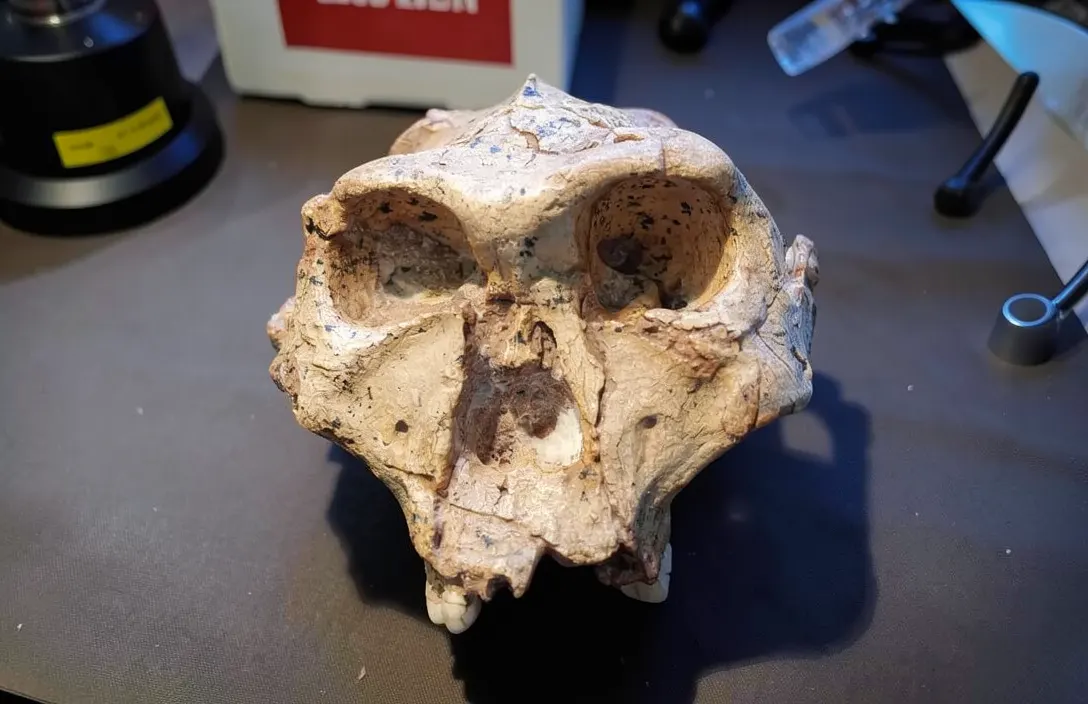
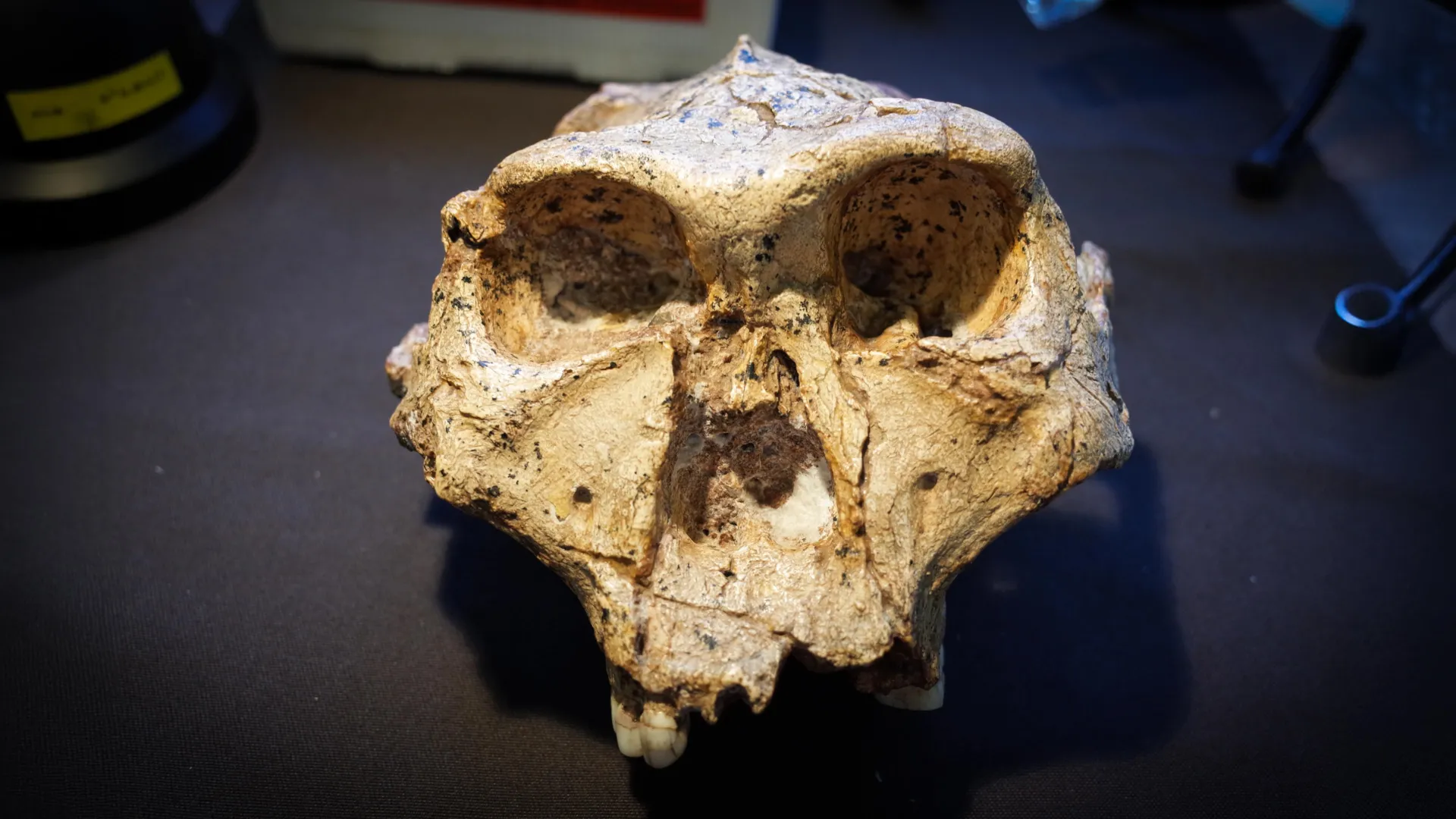
New research from Monash University challenges the traditional classification of ancient human ancestors, proposing that groups such as Australopithecus and Paranthropus, which have long been considered separate from humans, should be included within the genus Homo. The study, published in the American Journal of Biological Anthropology, argues that the evolutionary boundaries separating these groups are becoming increasingly difficult to justify. This shift in classification would significantly alter the way scientists organize millions of years of human evolution (source ID 1). [1]
The traditional view of human evolution often portrays it as a linear progression from ape-like ancestors to modern humans. However, recent fossil discoveries reveal a more complex family tree with overlapping species and evolutionary relationships that are still being studied. Traits once used to distinguish one group from another have been found across multiple groups, complicating traditional classifications (source ID 1). [1]
Dr. Ian Towle, lead researcher on the study, argues that recent fossil discoveries and advances in evolutionary and genetic analysis make it an ideal time to reconsider current taxonomy. He suggests that expanding the genus Homo to include Australopithecus and Paranthropus would provide a more accurate and stable way to represent the complex evolutionary relationships revealed by the fossil record (source ID 1). [1]
Traditionally, scientists have distinguished members of the genus Homo from other ancient human relatives using characteristics such as brain size and tool use. However, recent discoveries have shown that these traits are not exclusive to Homo, weakening the boundaries used to separate different groups. Towle proposes that the problem may lie with the classification system rather than the fossil evidence itself (source ID 1). [1]
Advertisement
The human family tree may be due for a major rewrite, according to new research from Monash University. The study, published in the American Journal of Biological Anthropology, proposes that several groups long considered separate from humans, such as Australopithecus and Paranthropus, should be classified within the genus Homo (source ID: 1). This would mean that these ancient relatives, which have traditionally been separated from modern humans, would now be included in the same genus. The researchers argue that the evolutionary boundaries separating these groups are becoming increasingly difficult to justify, as new fossil discoveries and genetic analysis continue to challenge traditional classifications. [1]
Human evolution is frequently illustrated as a relatively orderly progression, beginning with ancestors that resembled apes and gradually moving through species such as Australopithecus and early Homo before arriving at modern humans, Homo sapiens. However, the fossil evidence reveals a complicated family tree with numerous branches, overlapping species, and evolutionary relationships that scientists are still working to understand. Each new fossil discovery can complicate that picture, as traits once believed to distinguish one group of ancient human relatives from another have increasingly been found across multiple groups (source ID: 1). [1]
Traditionally, scientists have distinguished members of the genus Homo from other ancient human relatives using characteristics such as brain size and tool use. However, recent discoveries have challenged the reliability of those distinctions. Scientists have identified members of Homo with surprisingly small brains, demonstrating that a large brain was not necessarily a defining characteristic of every species in our genus. At the same time, evidence suggests that species traditionally placed in Australopithecus and Paranthropus likely displayed more complex behaviors than researchers once assumed (source ID: 1). [1]
The human family tree may be due for a major rewrite, according to new research from Monash University. The study, published in the American Journal of Biological Anthropology, proposes a sweeping change to how scientists classify our ancient ancestors. It suggests that several groups long considered separate from humans may actually belong within our own genus, Homo. This would mean bringing groups such as Australopithecus and Paranthropus into the same genus as modern humans (source ID: 1). [1]
Advertisement
Human evolution is frequently illustrated as a relatively orderly progression, beginning with ancestors that resembled apes and gradually moving through species such as Australopithecus and early Homo before arriving at modern humans, Homo sapiens. However, the fossil evidence reveals a complicated family tree with numerous branches, overlapping species, and evolutionary relationships that scientists are still working to understand. Each new fossil discovery can complicate that picture (source ID: 1). [1]
Traits once believed to distinguish one group of ancient human relatives from another have increasingly been found across multiple groups, making it harder to determine where traditional classifications should begin and end. Dr. Ian Towle, a Research Fellow at the Monash Biomedicine Discovery Institute and lead researcher on the study, argues that these discoveries are exposing weaknesses in the existing classification system (source ID: 1). [1]
The human family tree may be due for a major rewrite, according to new research from Monash University. The study, published in the American Journal of Biological Anthropology, proposes that several groups long considered separate from humans may actually belong within our own genus, Homo. This includes groups such as Australopithecus and Paranthropus, which have traditionally been classified separately. The researchers argue that the evolutionary boundaries separating these groups are becoming increasingly difficult to justify (1). [1]
Human evolution is frequently illustrated as a relatively orderly progression, beginning with ancestors that resembled apes and gradually moving through species such as Australopithecus and early Homo before arriving at modern humans, Homo sapiens. However, the fossil evidence reveals a complicated family tree with numerous branches, overlapping species, and evolutionary relationships that scientists are still working to understand. Each new fossil discovery can complicate that picture (1). [1]
Advertisement
Traits once believed to distinguish one group of ancient human relatives from another have increasingly been found across multiple groups, making it harder to determine where traditional classifications should begin and end. Dr. Ian Towle, a Research Fellow at the Monash Biomedicine Discovery Institute and lead researcher on the study, argues that these discoveries are exposing weaknesses in the existing classification system (1). [1]
Sources
Prepared with AI assistance from the cited sources.
The Cali Reporter newsletter
The stories worth your time.
California, the country, and what comes next. Join our free newsletter for reporting that keeps you informed.
More in Science
- Volcanic Eruption Reshapes Iwo Jima’s Coastline
A recent volcanic eruption near Iwo Jima has temporarily extended the island's black sand beaches, though the longevity of the new land remains uncertain.
- Galaxies in the NGC 7771 Group Engage in Cosmic Merger
Astronomers have observed a group of galaxies in the NGC 7771 Group, which is located approximately 200 million light-years away in the constellation Pegasus. These galaxies are in the process of merging, a phenomenon…
- NASA Awards Contract for NOAA’s Near Earth Orbit Network Program
NASA has awarded a contract to Northrop Grumman Systems Corporation for the Sounder for Microwave-Based Applications (SMBA) instruments on NOAA’s Near Earth Orbit Network (NEON) satellites. The contract includes a…