

How 1 Chumash Tribe Rebuilt Ancient Canoes To Stop The Ocean From Dying
The Santa Ynez Band of Chumash Indians is fighting for new laws to protect the coast and keep ancient maritime traditions alive.

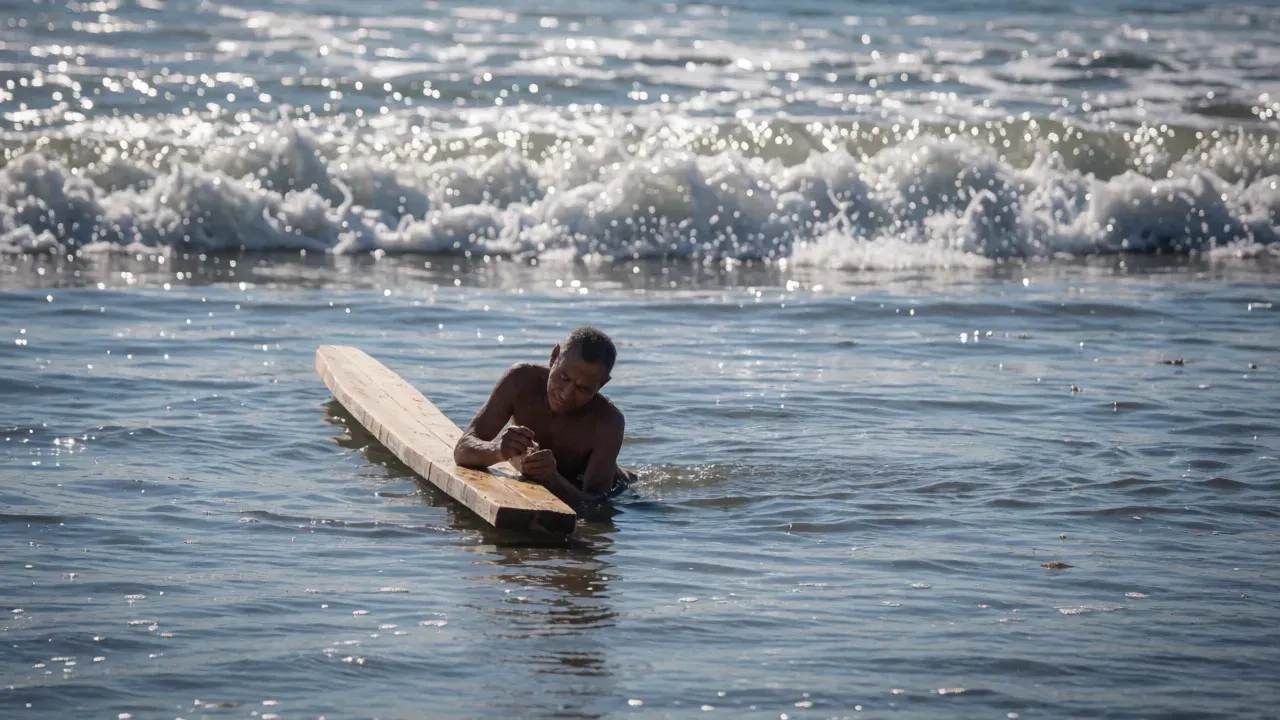
There is a specific kind of work going on right now along the California coast that has nothing to do with coding or data centers. It involves redwood, tar, and centuries of looking at the horizon. The story of how the ocean is healing is tied to the people who have lived there the longest. We are looking at the Santa Ynez Band of Chumash Indians and their efforts to protect the waters off the Central Coast. The technology involved is a lot older than the servers we usually talk about, but the stakes are just as high.
Imagine watching someone build a boat out of nothing but redwood planks and tar. That is the starting point of this conversation. Eva Pagaling, a community member of the Samala and the Yakama Nation, describes watching her ancestors do exactly this when she was about ten years old. They were building traditional maritime Tomols, the canoes used for crossing the Santa Barbara Channel. The materials were organic and local. They used redwood planks and yop, which is a mix of tar and pine pitch used as a sealant. These boats are not just transportation. They link generations of people who have paddled and fished in these ancestral waters for millennia. The route stretches from San Luis Obispo all the way to Malibu and the Northern Channel Islands.
It is not a happy story from the beginning. The text notes that colonization nearly severed these maritime traditions. This started with the forced removal of people from the islands and coasts. During the 1800s, ancestors were enslaved to build the California mission system. The reality is that the padres burned all the Tomols. This was an act of ethnocide intended to break the spiritual and physical ties to the ocean. It took a long time for the community to rebuild. It was not until the 1978 American Indian Religious Freedom Act that Native people finally had the right to practice their religion and culture without fear of persecution. It was then that they could rebuild the canoes and resume their roles as stewards without interference.

Fast forward to today and you see the result of that protection. Pagaling is the first woman to captain a Tomol across the channel to Limuw, which is now called Santa Cruz Island. She has noticed a profound change in the ocean over the decades. It is far less abundant than it was when she was young, yet she sees signs of recovery. Marine protected areas, or MPAs, are essentially underwater state parks. The government designates these waters to limit human activity and protect wildlife. Thanks to more than 20 years of this protection, the waters near the Channel Islands are showing signs of life. You can see seals, dolphins, and abalones returning to the area.
This is where the business and the biology intersect. Chumash marine stewards offer leadership and deep expertise. They are trying to revitalize the ocean. To make this work, the state needs to protect more areas and establish formal co-management structures. This reconnects the Chumash people to the ocean. Recently, California’s Ocean Protection Council and the Department of Fish and Wildlife recommended that the California Fish and Game Commission approve a specific proposal. This proposal would link Limuw and the mainland. They call the mainland spot Mishopshno, which is the name of the thriving Chumash village where ancestors built the Tomols. That spot is now known as Carpinteria.
Why does this matter to the average Californian? The commission will vote on this recommendation in October. Designating Mishopshno is crucial for several reasons. It would keep marine life safe from oil and gas drilling and other extractive activities. It also protects vulnerable kelp forests, harbor seals, abalone, and lobsters. There is a specific mention of the juvenile white shark nursery, which is a species of cultural significance to the Chumash. At the same time, it would enhance recreational coastal activities that people cherish, like surfing, beach walking, swimming, snorkeling, kayaking, and shore-based fishing.
California has a chance to help the indigenous people of the Central Coast maintain the continuity of their relationship with the ocean. It is about healing through traditional practices. As a Chumash paddler, diver, wife and mother, Pagaling hopes the Fish and Game Commission will invest in this opportunity. The goal is to grant the Mishopshno area marine protected status. This is not just about tradition; it is about the future health of the ecosystem. The system works better when the people who have known it for millennia are back at the helm. You can read more about the ancient journeys in the stories from the blue here.
First reported by CalMatters.
More in California
- UC Berkeley Lab Proposes New Civic Framework for California’s Next Governor
A research-driven agenda calls for institutionalizing 'co-governance' to address low public trust and lack of resident influence in state decision-making.
- Five Tax Measures on California’s Ballot Aim to Reshape State Finances
Propositions 3, 40–43 would alter income, wealth and local taxation rules—marking the highest number of tax measures on a general election ballot since 1994.
- Catalina Helicopter Crash Highlights Risks of Island Medevac Flights
A medical evacuation chopper carrying Catalina Romero, pilot, and nurse Jessica Devries crashed into the ocean shortly after takeoff, killing all three; federal investigators are assessing causes including night flying, spatial disorientation, and the island’s challenging Pebbly Beach heliport.