House Ethics Committee Reforms to Address Sexual Misconduct Allegations
The U.S. House Committee on Ethics has announced reforms aimed at improving the speed of investigations and increasing transparency regarding sexual misconduct allegations against members of Congress.
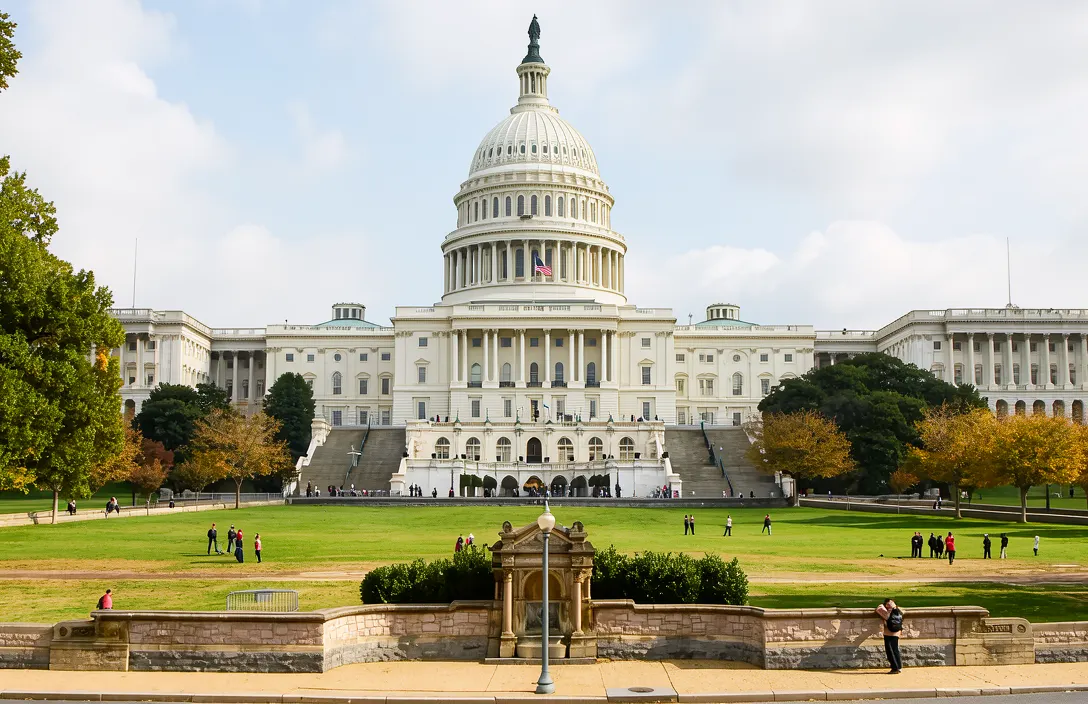
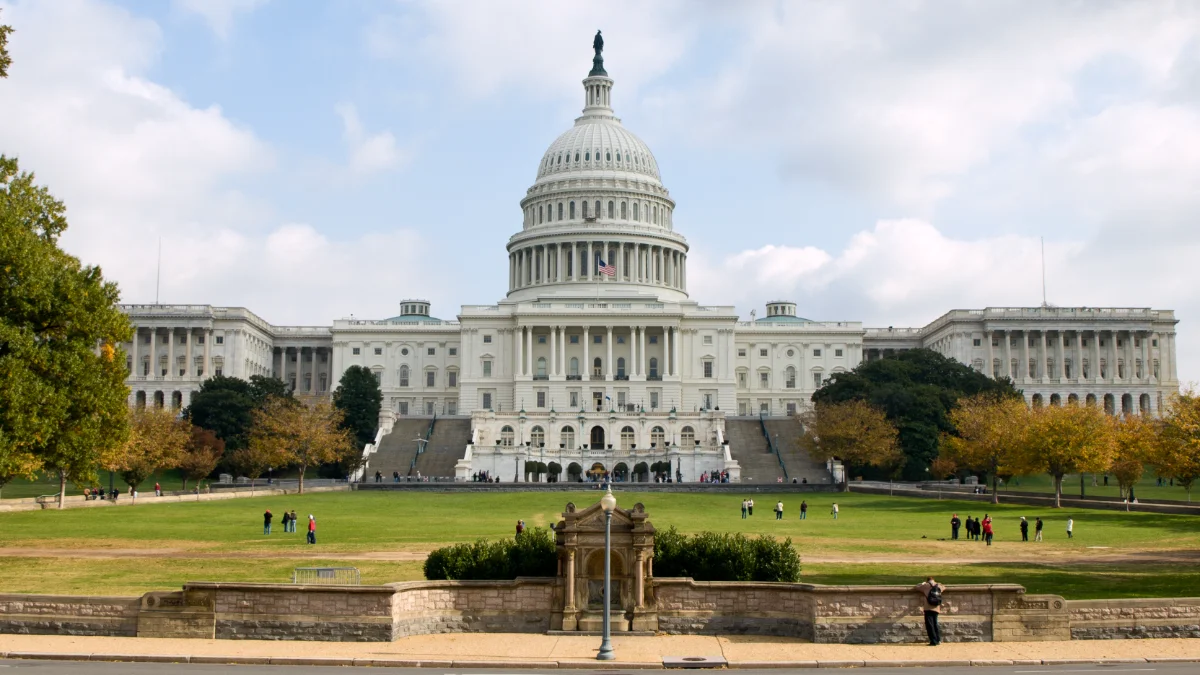
The U.S. House Committee on Ethics decided to change its internal rules for handling assault misconduct allegations at a public meeting on Thursday afternoon. The changes include codifying the committee’s policy of publicly disclosing when members have been found to have engaged in sexual harassment or sexual misconduct — while maintaining the anonymity of victims; scaling back requirements for issuing subpoenas during investigations; and consolidating deadlines for accused members to respond to minimize stalls, obstructions and delays. Ranking member Rep. Mark DeSaulnier, a Democrat from California, stated that these changes reinforce the committee’s commitment to the integrity of the House of Representatives and that all members agree on zero tolerance for sexual harassment. [1]
The public meeting was a response to many calls for the committee to reexamine its practices amid a wave of sexual misconduct allegations against both Republican and Democratic members this year. In April, sexual misconduct allegations against Democratic Rep. Eric Swalwell from California and Republican Rep. Tony Gonzales from Texas led to resignations and initiated a reckoning at the Capitol. Swalwell has denied all allegations against him, while Gonzales has acknowledged that he had an affair with a staff member, which is a violation of House rules. The resignations came as Congress was already dealing with fallout from the government’s investigation into the late financier and convicted sex offender Jeffrey Epstein. [1]
By November, the number of House members accused of sexual misconduct or domestic abuse who lost their seats — including Swalwell and Gonzales — rose to six. Republican Rep. Chuck Edwards from North Carolina dropped his reelection bid this summer after the House Ethics Committee recommended censuring him after finding out he had engaged in 'persistent and inappropriate conduct' with two staffers. Republican Rep. Cory Mills from Florida lost in the primaries after facing allegations of sexual misconduct and domestic abuse, among other accusations of campaign finance violations. He has denied all allegations. [1]
The U.S. House Committee on Ethics decided to change its own internal rules for handling assault misconduct allegations at a public meeting on Thursday afternoon. The changes include codifying the committee’s policy of publicly disclosing when members have been found to have engaged in sexual harassment or sexual misconduct — while maintaining the anonymity of victims; scaling back requirements for issuing subpoenas during investigations; and consolidating deadlines for accused members to respond to minimize stalls, obstructions and delays. This story was originally published by The 19th Justice (Source ID: 1). [1]
Advertisement
The public meeting was a response to many calls for the committee to reexamine its practices amid a wave of sexual misconduct allegations against both Republican and Democratic members this year. In April, sexual misconduct allegations against Democratic Rep. Eric Swalwell from California and Republican Rep. Tony Gonzales from Texas led to resignations and kick-started a reckoning at the Capitol. By November, the number of House members accused of sexual misconduct or domestic abuse who lost their seats — including Swalwell and Gonzales — rose to six. (Source ID: 1). [1]
The Committee on Ethics has scheduled a public meeting to be held in 1015 Longworth House Office Building on November 19, 2026 at 2:30 p.m., to consider adopting changes to the Rules of the Committee pursuant to House Rule XI, clause 2(a)(1)(A). The Committee has undertaken a review of the rules with the goal of improving the speed of investigations and increasing transparency, particularly with respect to allegations of sexual misconduct. (Source ID: 2). [2]
The U.S. House Committee on Ethics has scheduled a public meeting to be held in 1015 Longworth House Office Building on November 19, 2026 at 2:30 p.m., to consider adopting changes to the Rules of the Committee pursuant to House Rule XI, clause 2(a)(1)(A). The Committee has undertaken a review of the rules with the goal of improving the speed of investigations and increasing transparency, particularly with respect to allegations of sexual misconduct (Source ID: 2). [2]
The public meeting was a response to many calls for the committee to reexamine its practices amid a wave of sexual misconduct allegations against both Republican and Democratic members this year. By November, the number of House members accused of sexual misconduct or domestic abuse who lost their seats — including Swalwell and Gonzales — rose to six (Source ID: 1). [1]
Advertisement
The proposed changes include codifying the committee’s policy of publicly disclosing when members have been found to have engaged in sexual harassment or sexual misconduct — while maintaining the anonymity of victims; scaling back requirements for issuing subpoenas during investigations; and consolidating deadlines for accused members to respond to minimize stalls, obstructions and delays (Source ID: 1). [1]
The U.S. House Committee on Ethics has scheduled a public meeting to be held in 1015 Longworth House Office Building on November 19, 2026, at 2:30 p.m., to consider adopting changes to the Rules of the Committee pursuant to House Rule XI, clause 2(a)(1)(A) (Source ID: 2). The Committee has undertaken a review of the rules with the goal of improving the speed of investigations and increasing transparency, particularly with respect to allegations of sexual misconduct. While the Committee has identified areas for improvement, the Committee also seeks to preserve the procedures that ensure fairness, due process, and bipartisanship in all investigations. [2]
The proposed changes include codifying the committee’s policy of publicly disclosing any findings that a Member engaged in sexual harassment or other sexual misconduct in violations of clauses 9 or 18 of the Code of Official Conduct, while explicitly prohibiting the publication of the identity of any victim of such conduct. Additional reforms include delegating subpoena authority to the Committee’s Chairman and Ranking Member, acting jointly, rather than requiring a vote of the full Committee (Source ID: 2). [2]
The public meeting was a response to many calls for the committee to reexamine its practices amid a wave of sexual misconduct allegations against both Republican and Democratic members this year. By November, the number of House members accused of sexual misconduct or domestic abuse who lost their seats — including Swalwell and Gonzales — rose to six (Source ID: 1). [1]
Advertisement
The Cali Reporter newsletter
The stories worth your time.
California, the country, and what comes next. Join our free newsletter for reporting that keeps you informed.
More in Good News
- Black Mapmaking as a Tool for Reclaiming History and Fighting Injustice
Black mapmakers and artists are using cartography to counteract historical erasure and combat systemic racism, as evidenced by various projects across the United States.
- Observing Animal Behavior in the Intertidal Zone
A biology professor shares insights on how paying attention to natural sounds and movements can reveal animal secrets, particularly in the intertidal zone.
- Grandfather Rescues Lost Toddler in Arizona Desert
An Arizona grandfather played a pivotal role in rescuing a missing toddler during a cold desert night, according to local news reports.