Heavy Cannabis Use Linked to Mild Psychotic Symptoms
A study found that frequent cannabis use is associated with higher rates of mild hallucinations and depressive symptoms compared to occasional use or abstinence.

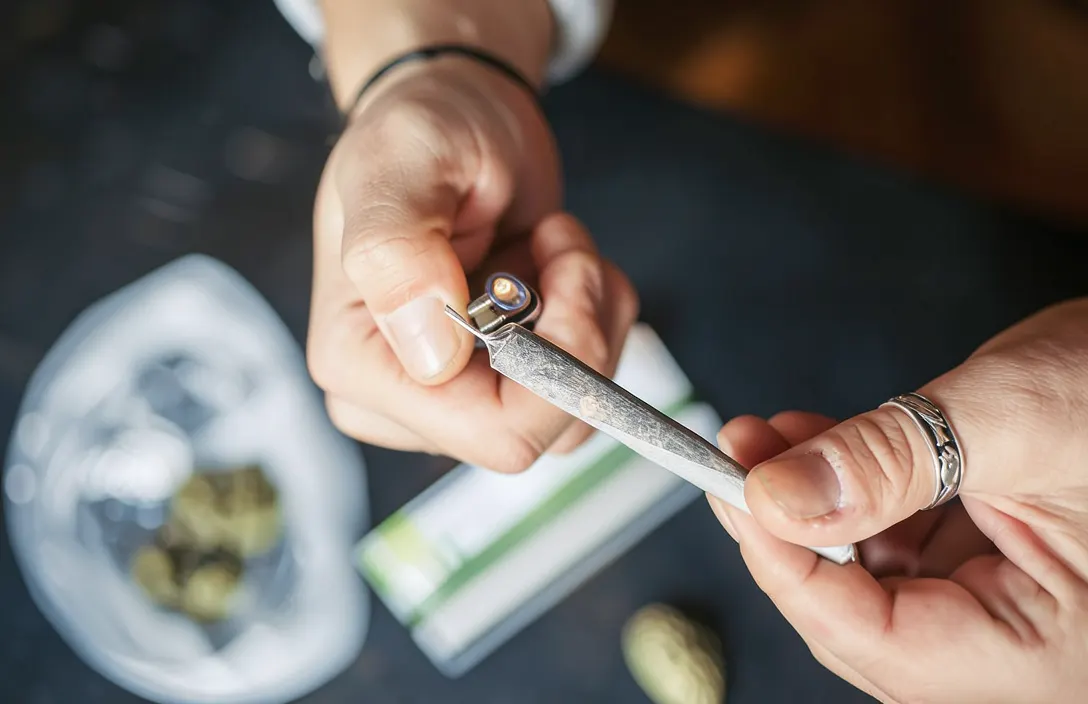
Frequent cannabis consumption is associated with a higher rate of mild hallucinations, unusual thoughts, and depressive symptoms compared to occasional use or abstinence. Starting cannabis at a younger age also correlates with an increase in these subclinical symptoms. The findings were published in the Journal of Psychiatric Research. Psychotic-like experiences are phenomena that resemble the symptoms of psychotic disorders like schizophrenia but occur at a much lower intensity. They can include mild paranoia, hearing occasional whispers, or holding highly unusual beliefs. These experiences do not mean a person has a psychiatric disorder. About seven to thirteen percent of the general population report having these mild perceptual experiences at some point. While often harmless, these subclinical symptoms can sometimes act as early warning signs for future mental health conditions. [1]
The study, conducted by University of Turin psychiatrist Valerio Ricci and his colleagues, focused on individuals receiving psychiatric care for non-psychotic issues, such as anxiety or mood disorders. The researchers recruited 150 adults between the ages of 18 and 40 from psychiatric clinics in Italy. They excluded anyone with a current or past psychotic disorder or an immediate family member who had a psychotic disorder. Participants were divided into three groups based on their daily habits: heavy users, occasional users, and non-users. The heavy users consumed an average of 2.8 grams of cannabis daily, while the occasional users consumed an average of 3.2 grams over the course of an entire month. The heavy users predominantly preferred smoking cannabis, while the occasional users were more likely to use vaporizers. [1]
The heavy cannabis users reported substantially higher scores for positive symptoms than the other two groups. Positive symptoms in this context can include feeling as if other people are reading your mind or feeling inexplicably detached from your own body. The heavy users also reported elevated levels of depressive symptoms. The occasional users scored lower than the heavy users in both categories but reported more symptoms than the non-users. The frequency of cannabis consumption correlated strongly with the severity of these specific experiences. The age at which participants first started using cannabis also played a role. Individuals who began using cannabis before the age of 16.4 years showed elevated symptom scores compared to those who started later. [1]
The human brain contains an endocannabinoid system, which is a network of cellular receptors involved in regulating mood, memory, and perception. During adolescence, this system undergoes rapid development and reorganization. Introducing external cannabinoids during this sensitive window might alter regular neurological development. The researchers found no statistically significant differences among the three groups regarding negative symptoms. Avolition and emotional flatness remained relatively consistent regardless of how much cannabis a person consumed. Daily functioning was noticeably lower in the heavy use group. These individuals scored worse on clinical assessments of overall well-being and daily living compared to the other participants. [1]
Advertisement
Frequent cannabis consumption is associated with a higher rate of mild hallucinations, unusual thoughts, and depressive symptoms compared to occasional use or abstinence. The study focused on individuals receiving psychiatric care for non-psychotic issues, such as anxiety or mood disorders. The heavy cannabis users reported substantially higher scores for positive symptoms than the other two groups. This finding was based on a cross-sectional study published in the Journal of Psychiatric Research, which evaluated 150 adults between the ages of 18 and 40 from psychiatric clinics in Italy (1). [1]
The heavy use group consisted of 43 individuals who consumed cannabis five or more days a week, with an average daily consumption of 2.8 grams. In contrast, the occasional use group included 47 individuals who used cannabis one to four times a month, consuming an average of 3.2 grams over the course of an entire month. The heavy users predominantly preferred smoking cannabis, while the occasional users were more likely to use vaporizers. The researchers verified participants’ self-reported drug habits with urine toxicology screenings (1). [1]
The human brain contains an endocannabinoid system, which is a network of cellular receptors involved in regulating mood, memory, and perception. During adolescence, this system undergoes rapid development and reorganization. Introducing external cannabinoids during this sensitive window might alter regular neurological development. The study also found that individuals who began using cannabis before the age of 16.4 years showed elevated symptom scores compared to those who started later (1). [1]
The researchers found no statistically significant differences among the three groups regarding negative symptoms such as avolition and emotional flatness. However, daily functioning was noticeably lower in the heavy use group, with these individuals scoring worse on clinical assessments of overall well-being and daily living compared to the other participants. The study also noted that heavy cannabis users who also smoked tobacco daily reported higher positive symptom scores than those who used tobacco less frequently (1). [1]
Advertisement
Frequent cannabis consumption is associated with a higher rate of mild hallucinations, unusual thoughts, and depressive symptoms compared to occasional use or abstinence (1). The study, conducted by University of Turin psychiatrist Valerio Ricci and his colleagues, focused on individuals receiving psychiatric care for non-psychotic issues, such as anxiety or mood disorders (1). The heavy cannabis users reported substantially higher scores for positive symptoms than the other two groups (1). [1]
The heavy use group consisted of 43 individuals who consumed cannabis five or more days a week, with an average daily consumption of 2.8 grams (1). The human brain contains an endocannabinoid system, which is a network of cellular receptors involved in regulating mood, memory, and perception (1). The researchers found no statistically significant differences among the three groups regarding negative symptoms such as avolition and emotional flatness (1). [1]
The frequency of cannabis consumption correlated strongly with the severity of these specific experiences (1). The age at which participants first started using cannabis also played a role. Individuals who began using cannabis before the age of 16.4 years showed elevated symptom scores compared to those who started later (1). A longer overall duration of cannabis use followed a similar pattern (1). [1]
The study, published in the Journal of Psychiatric Research, focused on individuals receiving psychiatric care for non-psychotic issues, such as anxiety or mood disorders. The heavy use group consisted of 43 individuals who consumed cannabis five or more days a week, with an average daily consumption of 2.8 grams. Participants were divided into three groups based on their daily habits: heavy users, occasional users, and non-users. The researchers verified the participants’ self-reported drug habits with urine toxicology screenings (1). [1]
Advertisement
The heavy cannabis users reported substantially higher scores for positive symptoms than the other two groups. Positive symptoms in this context can include feeling as if other people are reading your mind or feeling inexplicably detached from one’s own body. The heavy users also reported elevated levels of depressive symptoms. The occasional users scored lower than the heavy users in both categories but reported more symptoms than the non-users (1). [1]
The frequency of cannabis consumption correlated strongly with the severity of these specific experiences. Individuals who began using cannabis before the age of 16.4 years showed elevated symptom scores compared to those who started later. A longer overall duration of cannabis use followed a similar pattern. The human brain contains an endocannabinoid system, which is a network of cellular receptors involved in regulating mood, memory, and perception (1). [1]
Sources
Prepared with AI assistance from the cited sources.
The Cali Reporter newsletter
The stories worth your time.
California, the country, and what comes next. Join our free newsletter for reporting that keeps you informed.
More in Relationships
- Screen vs. Print: How Executive Functions Influence Word Learning in Preschoolers
A new study explores how preschoolers learn new words from print and digital books, revealing that individual differences in executive functions significantly influence comprehension outcomes.
- Smartphone Use and ADHD-Like Symptoms in Adolescents
A study published in the Journal of Affective Disorders found that problematic smartphone use among adolescents is associated with increased ADHD-like symptoms, particularly in late adolescence.
- Lack of Assertiveness and Hostility Linked to Depression Over 23 Years
A long-term study of Swedish twins found that lack of assertiveness and hostility are both associated with increased depressive symptoms over time, though some links may be influenced by shared genetic factors.