Gut Microbiome Regulates Nutrient Absorption and Circadian Rhythms
New research highlights the role of gut bacteria in synchronizing nutrient absorption with feeding times, influencing metabolic health and growth.

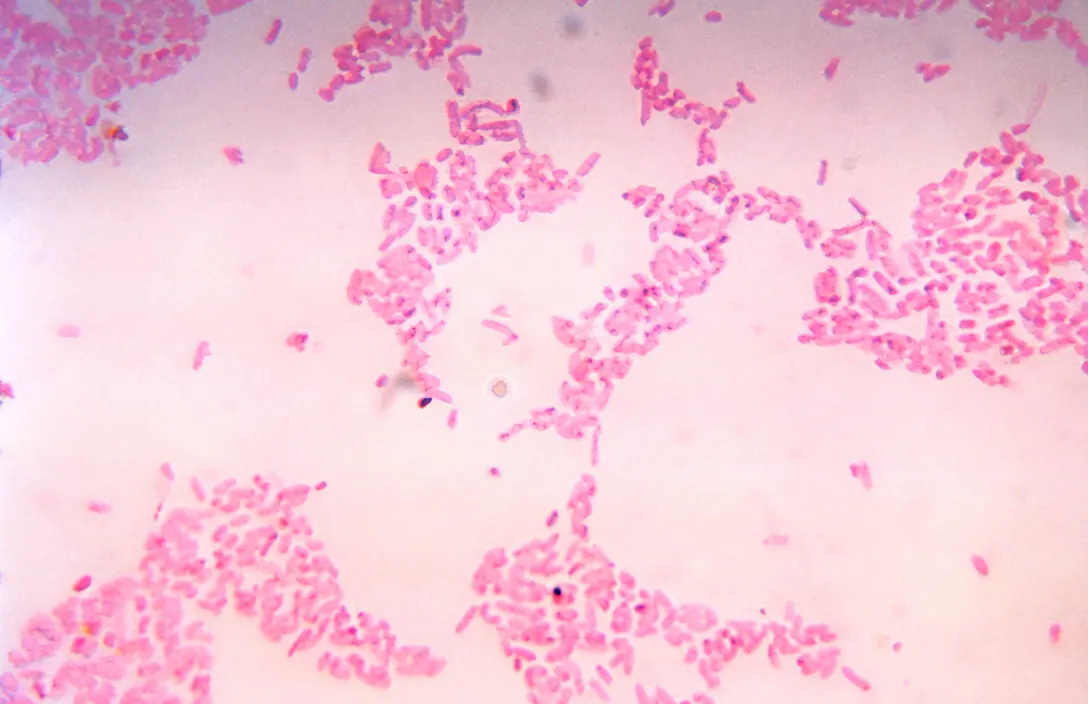

Bacteroides thetaiotaomicron is a species of bacteria commonly found in the human gut, as shown in a photomicrograph cultivated on blood agar (source ID 2). This bacterium, along with other gut microbes, is part of the gut microbiome, which significantly influences physiological processes such as metabolism and circadian rhythms (source ID 1). [2] [1]
New research published in the journal Cell Host & Microbe indicates that gut microbes convert dietary signals into molecules that intestinal cells use to synchronize nutrient absorption with feeding times (source ID 1). This process is particularly important for maximizing nutrient intake when food is scarce, as demonstrated in experiments with mice (source ID 1). [1]
The study found that the gut microbiota can metabolize phytate—a food component found in grains, beans, nuts, and seeds—into molecules that activate a specific protein in intestinal cells, subsequently turning on genes involved in transporting nutrients (source ID 1). This microbial activity aligns intestinal absorption with typical eating times, enhancing the efficiency of nutrient absorption (source ID 1). [1]
Gut microbes convert dietary signals into molecules that intestinal cells use to synchronize nutrient absorption with feeding times, as demonstrated in a study published in the journal Cell Host & Microbe (source ID 1). This process involves the metabolism of phytate, a food component found in grains, beans, nuts, and seeds, into molecules that activate a specific protein in intestinal cells, thereby turning on genes involved in transporting nutrients. The study highlights how this microbial activity aligns intestinal absorption with eating patterns, maximizing nutrient efficiency. [1]
Advertisement
The same microbial pathway that promotes growth and metabolic health under nutrient-scarce conditions can contribute to obesity when exposed to an environment of abundant calories (source ID 1). In mice, this mechanism was found to increase fat uptake and worsen diet-induced obesity when they consumed excess calories. This dual role of the gut microbiome underscores the evolutionary mismatch between ancient microbial pathways and modern diets rich in calories. [1]
Bacteroides thetaiotaomicron is a species of bacteria commonly found in the human gut, as shown in a photomicrograph cultivated on blood agar (source ID 2). This bacterium, along with other members of the genus Bacteroides, is an anaerobic, Gram-negative bacterium that typically resides in the intestine as normal flora. It can become opportunistic under certain conditions, such as immunosuppression or tissue damage, but its role in nutrient absorption and circadian rhythms has been newly uncovered through recent research. [2]
New research published in the journal Cell Host & Microbe indicates that gut microbes convert dietary signals into molecules that intestinal cells use to synchronize nutrient absorption with feeding times (source ID 1). The study found that the gut microbiota can metabolize phytate—a food component found in grains, beans, nuts, and seeds—into molecules that activate a specific protein in intestinal cells, subsequently turning on genes involved in transporting nutrients (source ID 1). This process allows the body to maximize nutrient absorption during feeding periods, particularly when food is scarce (source ID 1). [1]
Bacteroides thetaiotaomicron is a species of bacteria commonly found in the human gut, as shown in a photomicrograph cultivated on blood agar (source ID 2). This bacterium, along with other gut microbes, plays a key role in shaping the physiology of the host, including metabolism and nutrient absorption (source ID 1). The study suggests that the same microbial pathway that promotes growth and metabolic health under nutrient-scarce conditions can contribute to obesity when exposed to an environment of abundant calories (source ID 1). [1] [2]
Advertisement
The research highlights the evolutionary mismatch between the gut microbiome's ability to adapt to nutrient scarcity and the modern environment of calorie abundance. This mismatch can lead to excessive nutrient absorption and fat accumulation, contributing to the development of obesity (source ID 1). These findings underscore the complex relationship between gut microbes, dietary patterns, and metabolic health (source ID 1). [1]
Sources
Prepared with AI assistance from the cited sources.
The Cali Reporter newsletter
The stories worth your time.
California, the country, and what comes next. Join our free newsletter for reporting that keeps you informed.
More in Health & Medicine
- Understanding Fascia and the Evidence Behind Fascia Release
Fascia is a connective tissue that plays a structural role in the human body, but evidence supporting specific exercises or tools for 'fascia release' remains limited.
- Antidepressant Effectiveness and Long-Term Use
A new review suggests that some antidepressants may be more effective than others in helping people manage depression symptoms over the long term, according to a study published in The Lancet Psychiatry.
- Experimental Weight-Loss Drug Shows Promise for Knee Osteoarthritis Pain
A new study suggests that an experimental weight-loss drug, retatrutide, may significantly reduce knee pain in people with osteoarthritis and obesity.