Gravitational Waves Reveal Hidden Population of Black Holes
New research using gravitational wave data suggests that a significant number of black holes may have formed without a supernova explosion, challenging previous assumptions about stellar death.

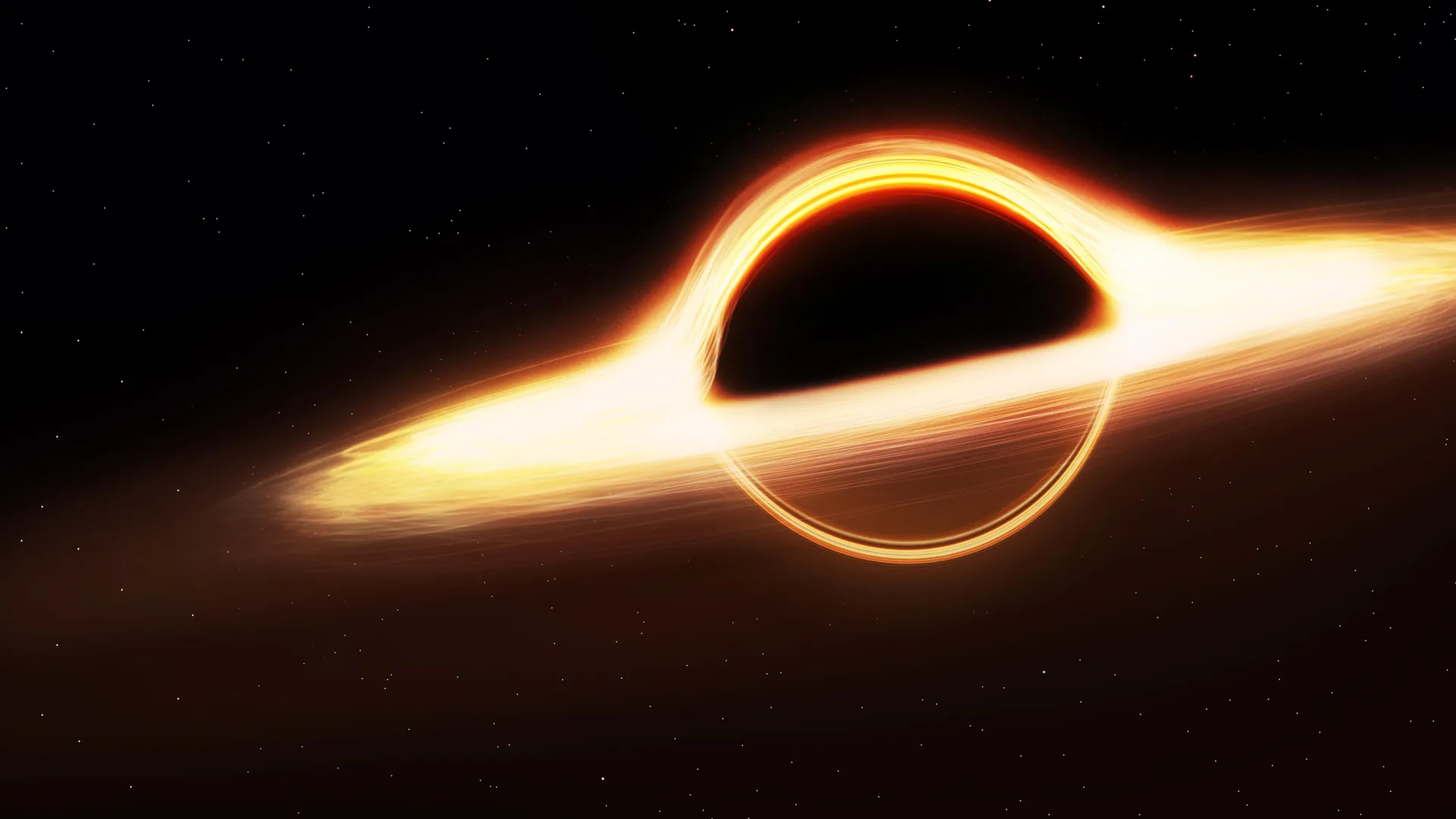
A study led by Caltech researchers has found evidence that some black holes may have formed without a supernova explosion, a process known as a 'failed supernova.' Using gravitational wave observations from the LIGO, Virgo, and KAGRA detector network, scientists identified patterns in the distribution of black hole masses that suggest a distinct population of black holes may have originated from stars that collapsed directly into black holes without producing a visible explosion (source ID 1). These findings do not directly confirm the existence of failed supernovae but align closely with theoretical predictions about how such black holes should be distributed. [1]
The research team analyzed the masses of black holes involved in 257 mergers detected by the LIGO, Virgo, and KAGRA network over the past decade. A notable pattern emerged: black holes weighing roughly 10 times the mass of the Sun were exceptionally common, appearing in about three-quarters of the merger sample. In contrast, black holes with masses between 12 and 16 solar masses were notably rare, indicating a potential gap in the mass distribution (source ID 1). This gap raises new questions about the processes that determine black hole mass and formation. [1]
Researchers also examined the spin rates of black holes, finding that those near 10 solar masses tended to have spin rates concentrated within a smaller range than those of the broader black hole population. This suggests a shared formation history for these black holes, potentially linked to failed supernovae. The study highlights the potential of gravitational wave astronomy to investigate the origins of black holes whose formation may have left little or no visible evidence in the cosmos (source ID 1). [1]
A study led by Caltech researchers has found evidence that some black holes may have formed without a supernova explosion, a process known as a 'failed supernova' (source ID 1). Using gravitational wave observations from the LIGO, Virgo, and KAGRA detector network, scientists identified patterns in the distribution of black hole masses that suggest a distinct population of black holes may have originated from stars that collapsed directly into black holes without producing a visible explosion. The research team analyzed the masses of black holes involved in 257 mergers detected by the LIGO, Virgo, and KAGRA network over the past decade. [1]
Advertisement
A striking pattern emerged in the data: black holes weighing roughly 10 times the mass of the Sun were exceptionally common, appearing in about three-quarters of the merger sample. Even more surprisingly, the researchers identified a noticeable shortage of black holes weighing between 12 and 16 solar masses. This was the first time such a distinct gap had been found in the mass distribution, raising new questions about what determines the sizes of black holes when they form (source ID 1). [1]
The researchers also examined how quickly the black holes rotate, since their spin rates can preserve clues about the conditions under which they formed. They found that black holes near 10 solar masses tended to have spin rates concentrated within a smaller range than those of the broader black hole population (source ID 1). Taken together, the unusual concentration of black hole masses, the scarcity of objects in the 12 to 16 solar mass range, and the similarities in their rotation suggest that these black holes may belong to a distinct population with a shared formation history. [1]
A study led by Caltech researchers has uncovered evidence suggesting that some black holes may have formed without a supernova explosion, a process known as a 'failed supernova' (source ID 1). Using gravitational wave observations from the LIGO, Virgo, and KAGRA detector network, scientists identified patterns in the distribution of black hole masses that hint at a distinct population of black holes formed from stars that collapsed directly into black holes without producing a visible explosion. These findings align with theoretical predictions about how such black holes should be distributed and build on a decade of gravitational wave astronomy. [1]
The research team analyzed the masses of black holes involved in 257 mergers detected by the LIGO, Virgo, and KAGRA network over the past decade. A striking pattern emerged: black holes weighing roughly 10 times the mass of the Sun were exceptionally common, appearing in about three-quarters of the merger sample (source ID 1). This finding is significant because it suggests that a large number of these black holes may share a common origin, potentially indicating a unique formation process distinct from typical supernova events. [1]
Advertisement
The researchers also examined the spin rates of the black holes, as their rotation can provide clues about the conditions under which they formed. Black holes near 10 solar masses tended to have spin rates concentrated within a smaller range than those of the broader black hole population (source ID 1). This unusual concentration of masses and the scarcity of black holes in the 12 to 16 solar mass range suggest that these black holes may belong to a distinct population with a shared formation history, potentially originating from stars that collapsed directly into black holes without a supernova explosion. [1]
A study led by Caltech researchers has found evidence that some black holes may have formed without a supernova explosion, a process known as a 'failed supernova.' Using gravitational wave observations from the LIGO, Virgo, and KAGRA detector network, scientists identified patterns in the distribution of black hole masses that suggest a distinct population of black holes may have originated from stars that collapsed directly into black holes without producing a visible explosion (source ID 1). [1]
The research team analyzed the masses of black holes involved in 257 mergers detected by the LIGO, Virgo, and KAGRA network over the past decade. A striking pattern emerged: black holes weighing roughly 10 times the mass of the Sun were exceptionally common, appearing in about three-quarters of the merger sample. This finding may provide clues about the conditions under which these black holes formed (source ID 1). [1]
The researchers also examined how quickly the black holes rotate, since their spin rates can preserve clues about the conditions under which they formed. They found that black holes near 10 solar masses tended to have spin rates concentrated within a smaller range than those of the broader black hole population. This observation supports the idea that these black holes may belong to a distinct population with a shared formation history (source ID 1). [1]
Advertisement
The Cali Reporter newsletter
The stories worth your time.
California, the country, and what comes next. Join our free newsletter for reporting that keeps you informed.
More in Science
- Volcanic Eruption Reshapes Iwo Jima’s Coastline
A recent volcanic eruption near Iwo Jima has temporarily extended the island's black sand beaches, though the longevity of the new land remains uncertain.
- Galaxies in the NGC 7771 Group Engage in Cosmic Merger
Astronomers have observed a group of galaxies in the NGC 7771 Group, which is located approximately 200 million light-years away in the constellation Pegasus. These galaxies are in the process of merging, a phenomenon…
- NASA Awards Contract for NOAA’s Near Earth Orbit Network Program
NASA has awarded a contract to Northrop Grumman Systems Corporation for the Sounder for Microwave-Based Applications (SMBA) instruments on NOAA’s Near Earth Orbit Network (NEON) satellites. The contract includes a…