GLP-1 Medication Use Among U.S. Adults in 2025
A recent study reveals that approximately 10% of U.S. adults reported using GLP-1 RA medications between July and August 2025, with significant variations in medication use and modifications.

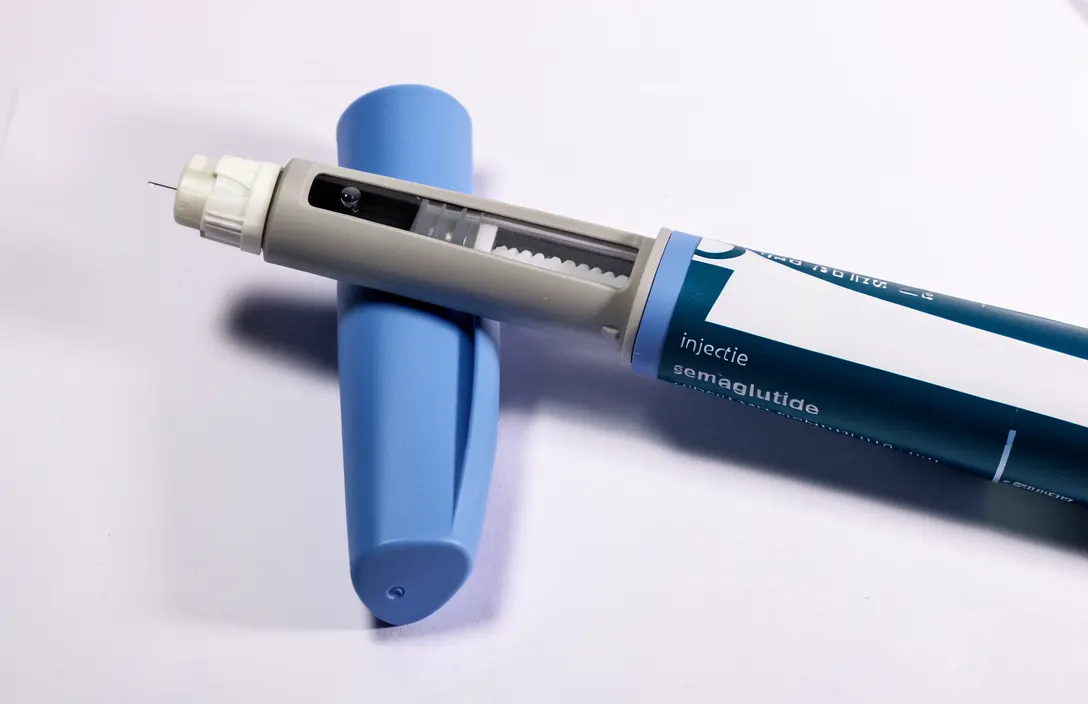

According to research published in the Morbidity and Mortality Weekly Report, approximately one in 10 U.S. adults reported taking a glucagon-like peptide-1 receptor agonist (GLP-1 RA) medication during the past year between July and August 2025 (source ID 1). The study, conducted by Samantha L. Pierce, M.P.H., and colleagues from the CDC in Atlanta, utilized data from the CDC Rapid Surveys System. This data collection method allowed researchers to gather insights into the prevalence of GLP-1 RA medication use across the U.S. adult population during this period. [1]
The study found that about one in five GLP-1 RA users reported using a compounded version of the medication, which has not been reviewed by the U.S. Food and Drug Administration for safety, effectiveness, or quality before marketing (source ID 1). These compounded versions may pose additional risks to users due to the lack of regulatory oversight. The findings highlight the importance of understanding the potential implications of using non-FDA-reviewed medications in the context of chronic disease management. [1]
Approximately two in five GLP-1 RA users reported modifying their medication use from the way it was prescribed, with barriers to prescribed use including cost and availability (source ID 1). The authors of the study note that modifications in GLP-1 medication use reflect, in part, responses to cost- and access-related challenges. This highlights the need for further research to evaluate the implications of real-world medication use on safety and effectiveness. [1]
According to research published in the Morbidity and Mortality Weekly Report, approximately one in 10 U.S. adults reported taking a glucagon-like peptide-1 receptor agonist (GLP-1 RA) medication during the past year, based on data collected from the CDC Rapid Surveys System from July to August 2025 (source ID 1). [1]
Advertisement
The study found that about one in five GLP-1 RA users reported using a compounded version of the medication, which has not been reviewed by the U.S. Food and Drug Administration for safety, effectiveness or quality before marketing (source ID 1). [1]
Approximately two in five GLP-1 RA users reported modifying their medication use from the way it was prescribed, with barriers to prescribed use including cost and availability (source ID 1). [1]
The authors of the study note that modifications in GLP-1 medication use reflect, in part, responses to cost- and access-related challenges, and suggest that future research could evaluate the implications of real-world medication use on safety and effectiveness (source ID 1). [1]
According to research published in the Morbidity and Mortality Weekly Report, approximately one in 10 U.S. adults reported taking a glucagon-like peptide-1 receptor agonist (GLP-1 RA) medication during the past year, based on data collected from the CDC Rapid Surveys System from July to August 2025 (source ID 1). This figure indicates a growing trend in the use of GLP-1 RA medications, which are commonly prescribed for weight management and the treatment of type 2 diabetes. [1]
Advertisement
The study found that about one in five GLP-1 RA users reported using a compounded version of the medication, which has not been reviewed by the U.S. Food and Drug Administration for safety, effectiveness, or quality before marketing (source ID 1). These compounded versions may pose additional risks to patients due to the lack of regulatory oversight, raising concerns about the potential impact on health outcomes. [1]
Approximately two in five GLP-1 RA users reported modifying their medication use from the way it was prescribed, with barriers to prescribed use including cost and availability (source ID 1). The authors of the study note that modifications in GLP-1 medication use reflect, in part, responses to cost- and access-related challenges, highlighting the need for further research to evaluate the implications of these changes on patient safety and treatment effectiveness. [1]
According to research published in the Morbidity and Mortality Weekly Report, approximately one in 10 U.S. adults reported taking a glucagon-like peptide-1 receptor agonist (GLP-1 RA) medication during the past year, according to data collected from the CDC Rapid Surveys System from July to August 2025 (source ID 1). The study highlights the growing prevalence of GLP-1 RA use, which has been associated with weight loss and improved glycemic control in individuals with diabetes. [1]
About one in five GLP-1 RA users reported using a compounded version of the medication, which has not been reviewed by the U.S. Food and Drug Administration for safety, effectiveness, or quality before marketing (source ID 1). These compounded formulations may vary in composition and potency, raising concerns about their reliability and potential risks to patients. [1]
Advertisement
Approximately two in five GLP-1 RA users reported modifying their medication use from the way it was prescribed, with barriers to prescribed use including cost and availability (source ID 1). The authors of the study note that modifications in GLP-1 medication use reflect, in part, responses to cost- and access-related challenges, and suggest that future research could evaluate the implications of real-world medication use on safety and effectiveness. [1]
Sources
Prepared with AI assistance from the cited sources.
The Cali Reporter newsletter
The stories worth your time.
California, the country, and what comes next. Join our free newsletter for reporting that keeps you informed.
More in Health & Medicine
- Understanding Fascia and the Evidence Behind Fascia Release
Fascia is a connective tissue that plays a structural role in the human body, but evidence supporting specific exercises or tools for 'fascia release' remains limited.
- Antidepressant Effectiveness and Long-Term Use
A new review suggests that some antidepressants may be more effective than others in helping people manage depression symptoms over the long term, according to a study published in The Lancet Psychiatry.
- Experimental Weight-Loss Drug Shows Promise for Knee Osteoarthritis Pain
A new study suggests that an experimental weight-loss drug, retatrutide, may significantly reduce knee pain in people with osteoarthritis and obesity.