Gel and Titanium Brush Tested for Cleaning Dental Implants
A study investigated the effectiveness of a gel and titanium brush in cleaning dental implants, focusing on their impact on protein layers and cell adherence.

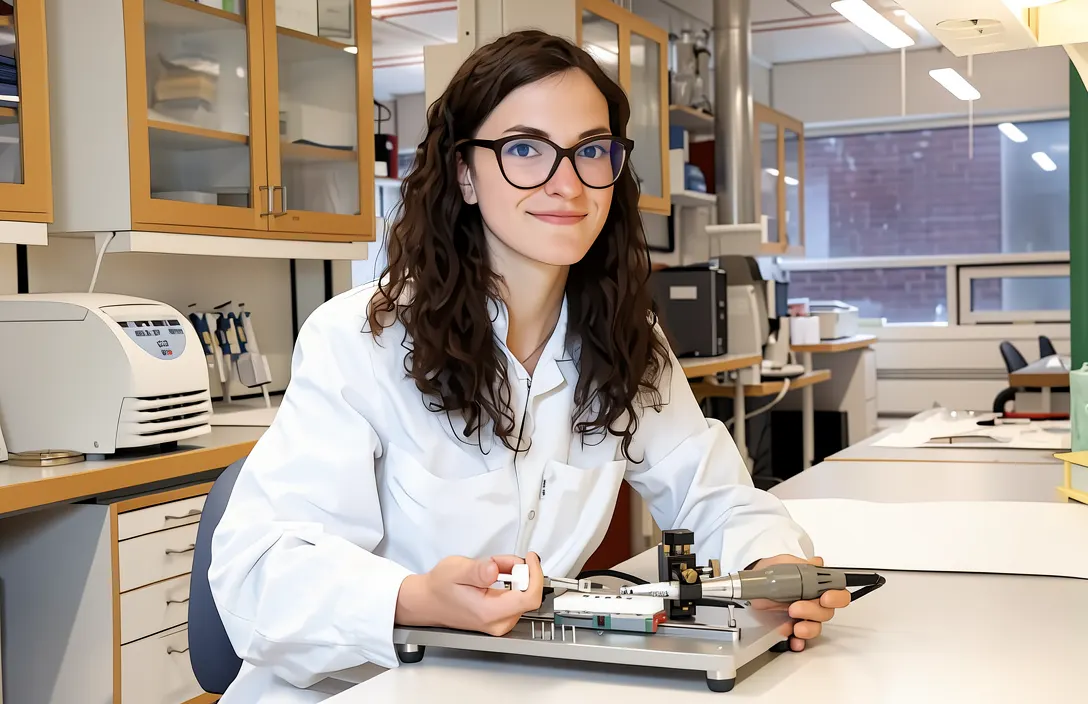

Angela De Lauretis conducted research on how gels and a titanium brush affect protein coatings on titanium surfaces and cells' ability to adhere after cleaning. Her Ph.D. work, which was a collaboration between the Department of Biomaterials at the University of Oslo and Corticalis AS, aimed to inform the development of methods for cleaning dental implants. The study was published in the journal ACS Biomaterials Science & Engineering. The experiments were conducted in the laboratory, and the effects in patients need further investigation (source ID: 1). [1]
De Lauretis explained that the study focused on titanium surfaces used in dental implants, which require adapted cleaning methods to prevent inflammatory conditions such as peri-implant mucositis and peri-implantitis. Bacterial deposits, known as biofilm, play a key role in the development of these diseases, and the research aimed to investigate products that could make a difference. The experiments showed that the cleaning methods affected the amount and composition of proteins on the surface in different ways (source ID: 1). [1]
The study involved testing a titanium brush and different gels, both separately and in combination, to determine their effects on the protein layer and cell adherence. The protein layer, called a pellicle, was analyzed to understand how the cleaning methods affected it. The poloxamer gels and titanium brush investigated showed promising results for protein removal and cell adherence under the laboratory conditions used, although the protein layer was not completely removed (source ID: 1). [1]
The research also aimed to investigate how the products can be manufactured and further developed for clinical use. The study showed that each cleaning method affected the protein layer on the implant surface in its own way. It is therefore important to understand which proteins adhere to and remain on the surface, as this may influence how both cells and bacteria subsequently respond to it (source ID: 1). [1]
Advertisement
Angela De Lauretis conducted research on how gels and a titanium brush affect protein coatings on titanium surfaces and cells' ability to adhere after cleaning. The study focused on titanium surfaces used in dental implants, which require adapted cleaning methods to prevent inflammatory conditions such as peri-implant mucositis and peri-implantitis. The research involved testing a titanium brush and different gels, both separately and in combination, to determine their effects on the protein layer and cell adherence (source ID: 1). [1]
The experiments were conducted in the laboratory using titanium disks with surface structures that mimic the surfaces of dental implants. Proteins from saliva were allowed to form a layer on the surfaces, and the gels and titanium brush were used to clean the surfaces. The researchers compared these methods with other products available on the market and measured the amount of protein and performed proteomic analyses to map which proteins were present in the surface layer (source ID: 1). [1]
The study found that the cleaning methods affected the amount and composition of proteins on the surface in different ways. The poloxamer gels and titanium brush investigated showed promising results for protein removal and cell adherence under the laboratory conditions used. However, the protein layer was not completely removed. The effects on bacterial deposits are being investigated in other projects (source ID: 1). [1]
Angela De Lauretis investigated how gels and a titanium brush affect protein coatings on titanium surfaces and cells' ability to adhere after cleaning. Her Ph.D. work provides knowledge that can inform the further development of methods for cleaning dental implants. The experiments were conducted in the laboratory, and the effects in patients need further investigation. The industrial Ph.D. project is a collaboration between the Department of Biomaterials at the University of Oslo and Corticalis AS. Proximity to the clinics made it easy to receive feedback from dentists. The study is published in the journal ACS Biomaterials Science & Engineering (source ID: 1). [1]
Advertisement
The experiments were carried out on titanium disks with surface structures that mimic the surfaces of dental implants. We allowed proteins from saliva to form a layer on the surfaces. We then used the gels and titanium brush to clean the surfaces and compared them with other products available on the market. We measured the amount of protein and performed proteomic analyses—that is, analyses that map which proteins are present in the surface layer (source ID: 1). [1]
The study found that the cleaning methods affected the amount and composition of proteins on the surface in different ways. The poloxamer gels and titanium brush investigated showed promising results for protein removal and cell adherence under the laboratory conditions used. However, the protein layer was not completely removed. The effects on bacterial deposits are being investigated in other projects. The findings of the thesis must also be followed up through clinical studies before it can be established whether the methods provide better treatment and healing in patients (source ID: 1). [1]
Angela De Lauretis investigated how gels and a titanium brush affect protein coatings on titanium surfaces and cells' ability to adhere after cleaning. Her Ph.D. work provides knowledge that can inform the further development of methods for cleaning dental implants. The experiments were conducted in the laboratory, and the effects in patients need further investigation (source ID: 1). [1]
The study focused on titanium surfaces used in dental implants, which require adapted cleaning methods to prevent inflammatory conditions such as peri-implant mucositis and peri-implantitis. The research involved testing a titanium brush and different gels, both separately and in combination, to determine their effects on the protein layer and cell adherence (source ID: 1). [1]
Advertisement
The experiments were conducted on titanium disks with surface structures that mimic the surfaces of dental implants. The study found that the cleaning methods affected the amount and composition of proteins on the surface in different ways. The poloxamer gels and titanium brush investigated showed promising results for protein removal and cell adherence under the laboratory conditions used (source ID: 1). [1]
Sources
Prepared with AI assistance from the cited sources.
The Cali Reporter newsletter
The stories worth your time.
California, the country, and what comes next. Join our free newsletter for reporting that keeps you informed.
More in Health & Medicine
- Understanding Fascia and the Evidence Behind Fascia Release
Fascia is a connective tissue that plays a structural role in the human body, but evidence supporting specific exercises or tools for 'fascia release' remains limited.
- Antidepressant Effectiveness and Long-Term Use
A new review suggests that some antidepressants may be more effective than others in helping people manage depression symptoms over the long term, according to a study published in The Lancet Psychiatry.
- Experimental Weight-Loss Drug Shows Promise for Knee Osteoarthritis Pain
A new study suggests that an experimental weight-loss drug, retatrutide, may significantly reduce knee pain in people with osteoarthritis and obesity.