

Gavin Newsom aide behind homelessness effort now leading failing high-speed rail project
Newsom just put the architect of his failed homelessness strategy in charge of a bullet train now projected to cost $231 billion, proving Sacramento rewards loyalty over results.
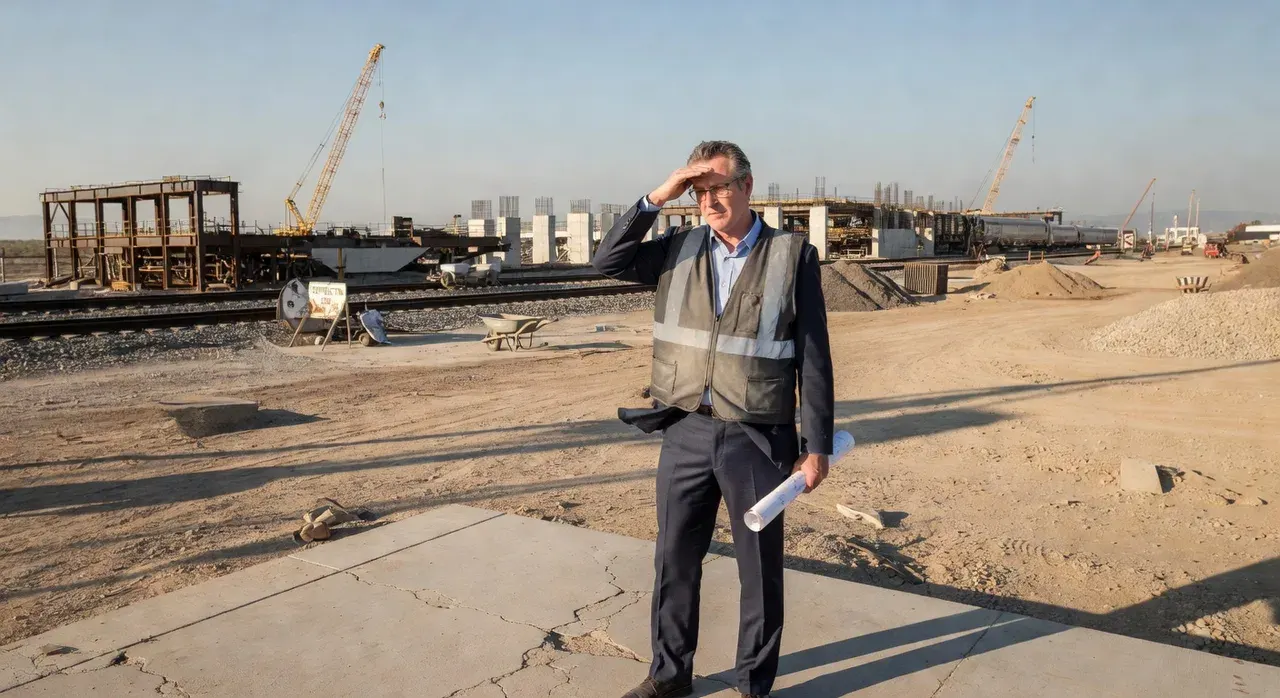
Jason Elliott, the man who shaped Gavin Newsom’s homelessness policies during California’s worst years of street disorder, has been handed oversight of the state’s collapsing high-speed rail project. On Friday the governor installed his former deputy chief of staff and another close San Francisco ally, Steve Kawa, onto the High-Speed Rail Authority board, replacing the outgoing chair and vice chair. The move tightens Newsom’s personal grip on an endeavor that has become a national symbol of bureaucratic incompetence.
The timing is brutal. A new report estimates the original Los Angeles-to-San Francisco line could now cost as much as $231 billion, nearly triple the early projections of $33, 45 billion with a 2020 finish date. The current plan has been whittled down to a 171-mile Central Valley starter segment from Merced to Bakersfield, optimistically slated for 2032, with no firm route or funding beyond that. Construction crawls forward while costs balloon and deadlines evaporate.
Elliott’s résumé offers no engineering or infrastructure credentials. Before joining Newsom’s Sacramento team in 2019, he served as chief of staff to former San Francisco Mayor Ed Lee, focusing on housing and homelessness, the same issues that later defined Newsom’s statewide agenda. In a New Yorker profile this year, Elliott defended the governor’s record by calling early policies “an artifact of its era” and insisting the administration inherited a decades-old crisis. Yet visible homelessness persists, universal health care remains undelivered, and the bullet train looks equally mythical.

Newsom’s office called the appointments “trusted advisors and innovative leaders” with “over 50 years of experience navigating large-scale projects.” The statement claims the pair will ensure “continuous rigor and accountability” as tracklaying supposedly begins. Elliott declined comment. Assemblymember David Tangipa, a Fresno Republican, was less diplomatic: “The most expensive infrastructure project happening in the world right now is being overseen by the closest allies of the governor. That’s just insanity.”
Critics see patronage, not expertise. Republican legislators mocked Newsom in February when he posed in front of a freight train promising progress. Assemblymember Alexandra Macedo said the governor’s “privilege train is a money pit and a boondoggle.” With Newsom eyeing a presidential run after leaving office next year, handing the rail’s future to loyalists looks less like reform than risk mitigation for a political liability.
The deeper contradiction is impossible to ignore: the same inner circle that failed to fix California’s sidewalks is now entrusted with delivering 21st-century infrastructure across the state’s farmland. If past performance predicts future results, taxpayers should prepare for more billions spent and more miles unbuilt.
Original reporting: New York Post.
More in California
- UC Berkeley Lab Proposes New Civic Framework for California’s Next Governor
A research-driven agenda calls for institutionalizing 'co-governance' to address low public trust and lack of resident influence in state decision-making.
- Five Tax Measures on California’s Ballot Aim to Reshape State Finances
Propositions 3, 40–43 would alter income, wealth and local taxation rules—marking the highest number of tax measures on a general election ballot since 1994.
- Catalina Helicopter Crash Highlights Risks of Island Medevac Flights
A medical evacuation chopper carrying Catalina Romero, pilot, and nurse Jessica Devries crashed into the ocean shortly after takeoff, killing all three; federal investigators are assessing causes including night flying, spatial disorientation, and the island’s challenging Pebbly Beach heliport.