Freddie Nole's Mission to Support Those Leaving Prison
Freddie Nole has dedicated his life to supporting individuals as they transition out of prison, providing them with essential resources and companionship during a vulnerable time. His efforts are highlighted in the…
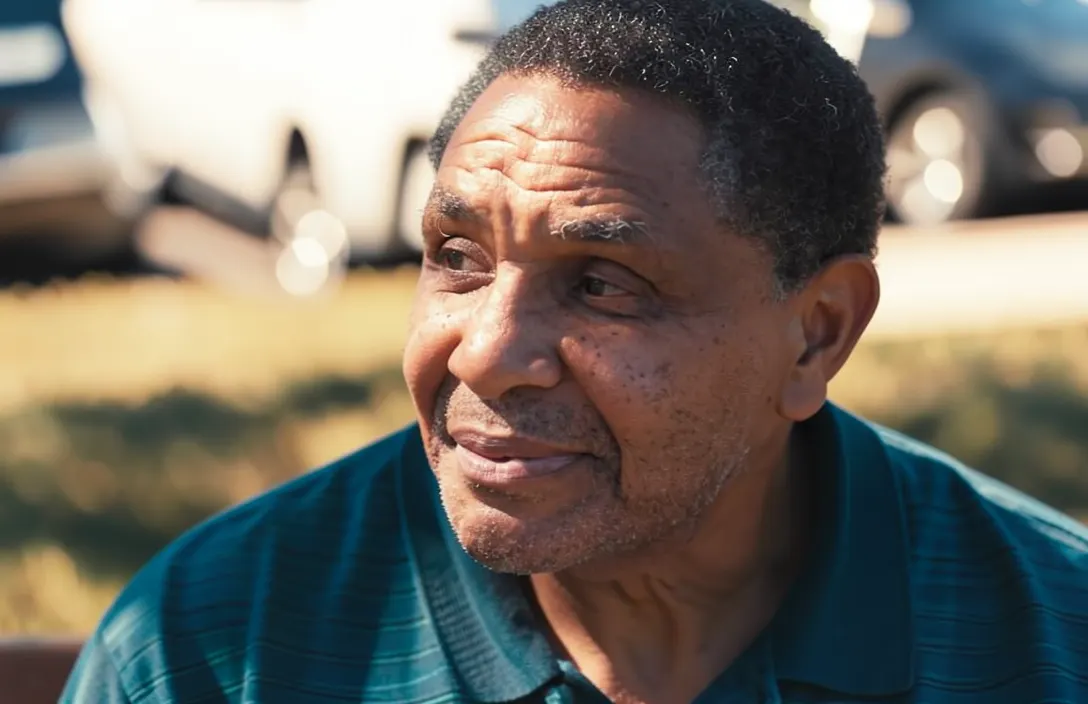
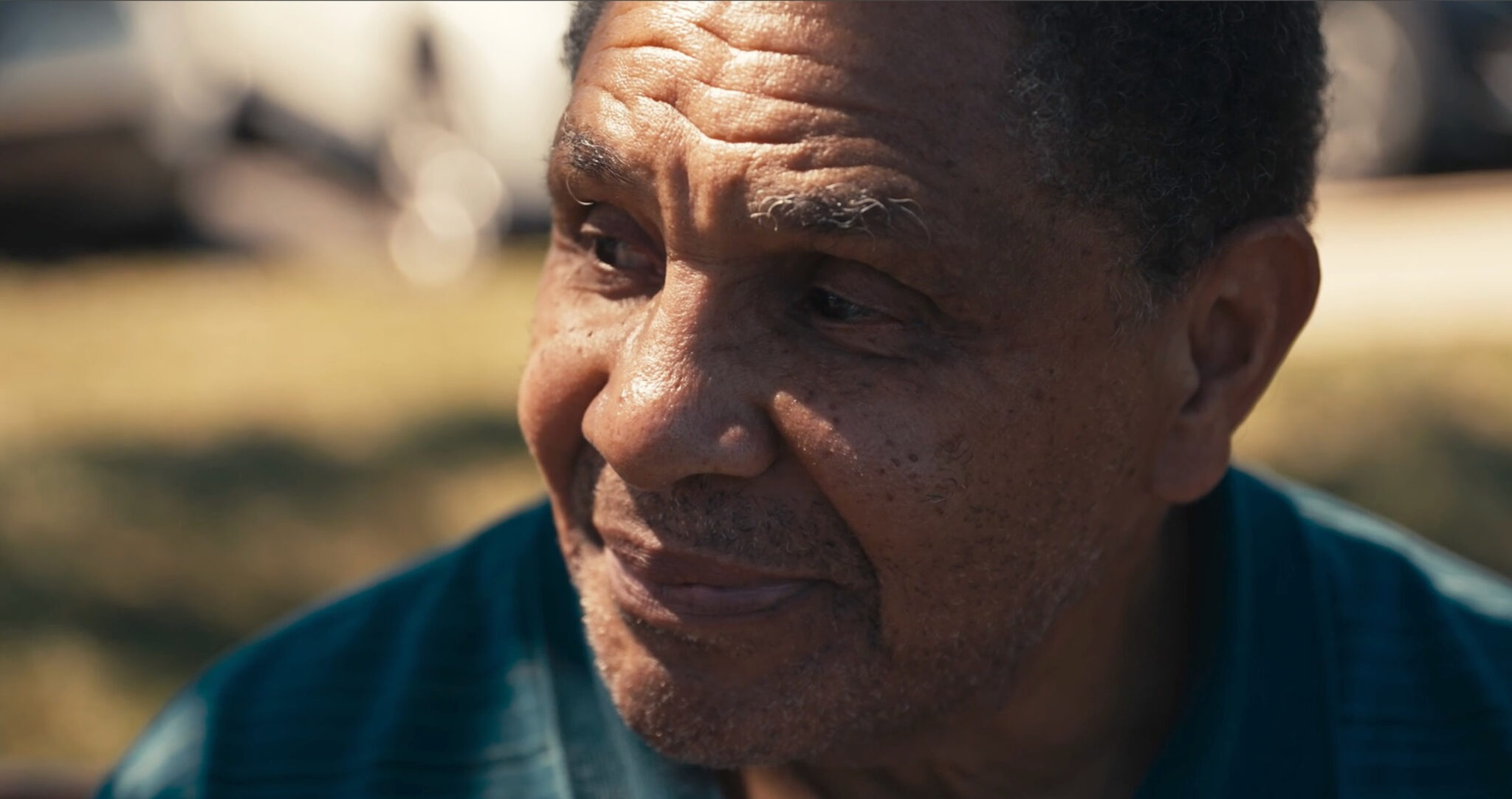
Freddie Nole meets individuals leaving prison, often with no one else to support them, and provides them with meals, clothing, and assistance in navigating their next steps. He and his wife, Sue, take these individuals to a meal, buy them clothes, get them a phone, and drive them to wherever they are headed next. Nole emphasizes the appreciation these individuals express for being there during a time when they are most vulnerable. This work is the focus of 'The Second Life of Freddie Nole,' a film in the JoyDrops series, which follows Nole for a single day as he picks up a man leaving prison in Pennsylvania (Good News Network). [1]
The film, directed by Dana Nachman, follows Nole on a day-long journey, revealing that his experience with reentry is deeply personal. Nachman, who has worked on stories about repairing the world, had previously focused on wrongful conviction cases but found reentry work to be a new and meaningful challenge. She and her business partner, Chelsea Matter, wanted a story that fit a short film format, and Nole's work provided the perfect narrative. Nachman described Nole as 'movie gold' after just a short conversation with him (Good News Network). [1]
Nole's own history with the justice system is revealed at the end of the film. He was incarcerated in 1969 and faced challenges upon his release, including difficulty reengaging with society and dealing with the consequences of his parole violations. He described his first day of freedom as 'walking on pins and needles,' highlighting the challenges faced by those leaving prison. Nachman noted that many individuals released from incarceration are 'dropped into society with nothing and told to fend for themselves,' and Nole's work helps restore their dignity (Good News Network). [1]
Freddie Nole’s work with recently released prisoners takes place primarily in Pennsylvania, where the film *The Second Life of Freddie Nole* follows him as he picks up a man leaving prison. This location is significant as it highlights the specific geographic context of his outreach efforts. The project scope of the film is narrow, focusing on a single day in Nole’s life, which allows for an intimate portrayal of his mission. The film was directed by Dana Nachman of Sweet World Films, a production company known for stories that aim to repair the world. The project’s documented limits include its concentrated focus on one individual and one day, which, while effective for storytelling, does not provide a broader look at the nationwide impact of Nole’s work or other similar initiatives across the country. [1]
Advertisement
Freddie Nole’s personal history is deeply tied to the prison system. He was incarcerated in 1969, during the presidency of Richard Nixon, and was released after more than 37 years in prison, with his wife Sue being the only person who stood by him throughout his time behind bars. Upon release, he faced significant challenges, including a mismatched set of clothes sent by Sue, which did not fit and left him feeling embarrassed. He also had to deal with the immediate administrative burden of parole, spending four hours of his first day of freedom at the parole office. These documented limits in his early release experience underscore the systemic barriers that formerly incarcerated individuals often face upon reentry into society. [1]
The film *The Second Life of Freddie Nole* was created as part of the JoyDrops series, which features short documentary films that highlight joy and positive change. The project’s scope is limited by its format as a short film, which means it cannot fully explore the long-term impact of Nole’s work or the broader network of organizations that support reentry efforts. However, the film does provide a powerful snapshot of Nole’s mission and the immediate impact he has on the individuals he helps. The documented limit of focusing on a single day of Nole’s life was a deliberate choice by Nachman, who wanted to lead with the man Nole is today rather than his past, emphasizing the theme of redemption and second chances. [1]
Sources
Prepared with AI assistance from the cited sources.
The Cali Reporter newsletter
The stories worth your time.
California, the country, and what comes next. Join our free newsletter for reporting that keeps you informed.
More in Good News
- Black Mapmaking as a Tool for Reclaiming History and Fighting Injustice
Black mapmakers and artists are using cartography to counteract historical erasure and combat systemic racism, as evidenced by various projects across the United States.
- Observing Animal Behavior in the Intertidal Zone
A biology professor shares insights on how paying attention to natural sounds and movements can reveal animal secrets, particularly in the intertidal zone.
- Grandfather Rescues Lost Toddler in Arizona Desert
An Arizona grandfather played a pivotal role in rescuing a missing toddler during a cold desert night, according to local news reports.