Feasibility Study on Antiviral Treatment for Long COVID Shows Promising Results
A recent feasibility study has demonstrated that a five-day intravenous antiviral treatment regimen for long COVID is safe and feasible, with participants reporting improvements in fatigue and quality of life.

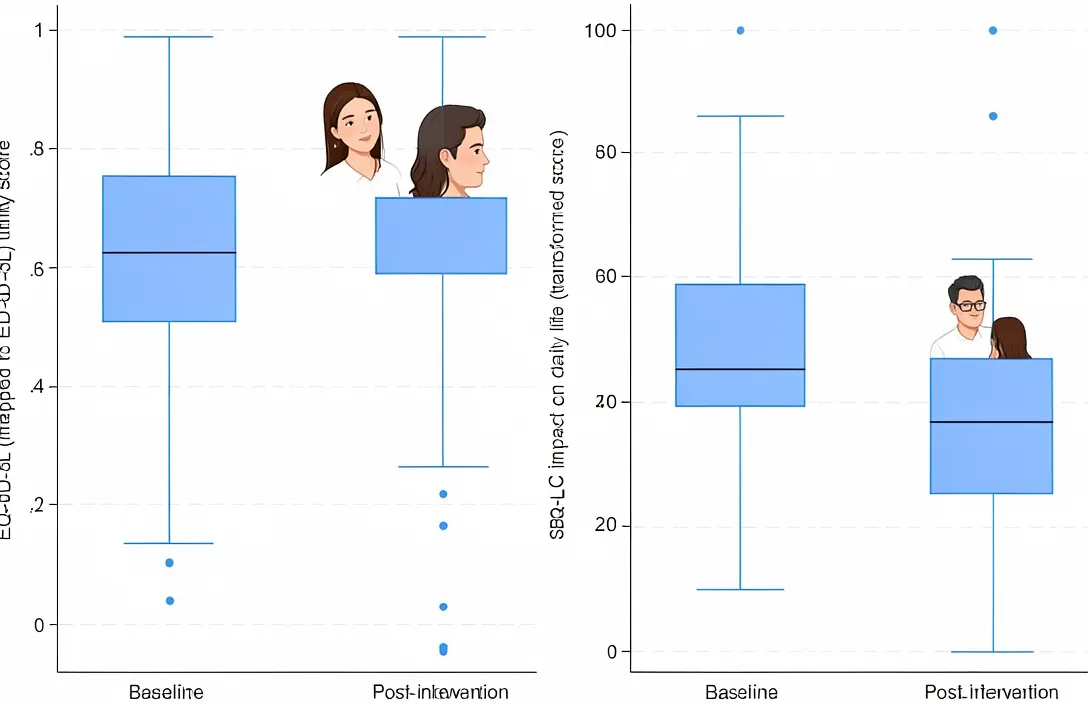

A feasibility study investigating the potential of a five-day intravenous antiviral treatment for long COVID has shown that the regimen is safe and feasible to deliver (source ID: 1). Researchers found that participants were able to complete the clinical assessments required for the study, and that the treatment could be successfully administered. The study, published in the Oxford Open Immunology journal, outlines that these findings provide a strong foundation for planning a larger randomized controlled trial to evaluate the treatment's effectiveness (source ID: 1). [1]
The study involved 73 patients who underwent a series of assessments at the University of Exeter and specialist facilities before receiving the antiviral drug intravenously for five consecutive days (source ID: 1). Clinical teams from University Hospitals of Derby and Burton NHS Foundation Trust (UHDB) and Royal Devon University Healthcare NHS Foundation Trust, in collaboration with Aston University, administered the treatment. The PenCTU team ensured the feasibility study was managed correctly, with appropriate recording of assessments and treatments (source ID: 1). [1]
Participants in the study reported encouraging changes in exploratory outcome measures, including reductions in fatigue, improved quality of life, and increased walking distance in a timed walking test (source ID: 1). However, the study was not designed to determine whether the treatment caused these changes or whether it is effective. The research team is now calling for a larger randomized controlled trial to establish the treatment's efficacy for people with long COVID (source ID: 1). [1]
The study involved 73 patients who underwent a series of assessments at the University of Exeter and specialist facilities before receiving the antiviral drug intravenously for five consecutive days (source ID: 1). The research team reported that the five-day intravenous treatment regimen could be successfully delivered, and participants were able to complete the clinical assessments required for the research (source ID: 1). These findings are critical as they indicate that the logistical and operational aspects of delivering the treatment and collecting data are achievable in people living with long COVID (source ID: 1). [1]
Advertisement
The study generated important information needed to plan a larger randomized controlled trial, according to researchers (source ID: 1). The ERASE trial began in September 2024, around five years on from the start of the global COVID-19 pandemic, as part of a program of research into the causes and impacts of long COVID (source ID: 1). The trial was conducted by clinical teams from University Hospitals of Derby and Burton NHS Foundation Trust (UHDB) and Royal Devon University Healthcare NHS Foundation Trust, in collaboration with Aston University (source ID: 1). [1]
The PenCTU team was responsible for ensuring the feasibility study was managed correctly, that participants' assessments and treatments were recorded appropriately, and that any data gathered in hospitals and by the research team was collected and processed in accordance with ethical and medical guidelines (source ID: 1). The findings from the study provide the foundations for a future definitive trial, according to Professor Victoria Allgar, professor of medical statistics and director of PenCTU (source ID: 1). [1]
A feasibility study investigating the potential of a five-day intravenous antiviral treatment for long COVID has shown that the regimen is safe and feasible to deliver (source ID: 1). The study involved 73 patients who underwent a series of assessments at the University of Exeter and specialist facilities before receiving the antiviral drug intravenously for five consecutive days (source ID: 1). Participants in the study reported encouraging changes in exploratory outcome measures, including reductions in fatigue, improved quality of life, and increased walking distance in a timed walking test (source ID: 1). [1]
The study generated important information needed to plan a larger randomized controlled trial, according to researchers (source ID: 1). The PenCTU team was responsible for ensuring the feasibility study was managed correctly, that participants' assessments and treatments were recorded appropriately, and that any data gathered in hospitals and by the research team was collected and processed in accordance with ethical and medical guidelines (source ID: 1). [1]
Advertisement
The ERASE trial began in September 2024, around five years on from the start of the global COVID-19 pandemic, as part of a program of research into the causes and impacts of long COVID (source ID: 1). Seventy-three patients underwent a series of assessments at the university's specialist facilities, and at the University of Exeter, before receiving the antiviral drug intravenously for five consecutive days by clinical teams from University Hospitals of Derby and Burton NHS Foundation Trust (UHDB) and Royal Devon University Healthcare NHS Foundation Trust and in collaboration with Aston University (source ID: 1). [1]
A feasibility study investigating the potential of a five-day intravenous antiviral treatment for long COVID has shown that the regimen is safe and feasible to deliver (source ID: 1). The study involved 73 patients who underwent a series of assessments at the University of Exeter and specialist facilities before receiving the antiviral drug intravenously for five consecutive days (source ID: 1). Participants in the study reported encouraging changes in exploratory outcome measures, including reductions in fatigue, improved quality of life, and increased walking distance in a timed walking test (source ID: 1). [1]
The study generated important information needed to plan a larger randomized controlled trial, according to researchers (source ID: 1). The PenCTU team was responsible for ensuring the feasibility study was managed correctly, that participants' assessments and treatments were recorded appropriately, and that any data gathered in hospitals and by the research team was collected and processed in accordance with ethical and medical guidelines (source ID: 1). [1]
The ERASE trial began in September 2024, around five years on from the start of the global COVID-19 pandemic, as part of a program of research into the causes and impacts of long COVID (source ID: 1). Seventy-three patients underwent a series of assessments at the university's specialist facilities, and at the University of Exeter, before receiving the antiviral drug intravenously for five consecutive days by clinical teams from University Hospitals of Derby and Burton NHS Foundation Trust (UHDB) and Royal Devon University Healthcare NHS Foundation Trust and in collaboration with Aston University (source ID: 1). [1]
Advertisement
The Cali Reporter newsletter
The stories worth your time.
California, the country, and what comes next. Join our free newsletter for reporting that keeps you informed.
More in Health & Medicine
- Understanding Fascia and the Evidence Behind Fascia Release
Fascia is a connective tissue that plays a structural role in the human body, but evidence supporting specific exercises or tools for 'fascia release' remains limited.
- Antidepressant Effectiveness and Long-Term Use
A new review suggests that some antidepressants may be more effective than others in helping people manage depression symptoms over the long term, according to a study published in The Lancet Psychiatry.
- Experimental Weight-Loss Drug Shows Promise for Knee Osteoarthritis Pain
A new study suggests that an experimental weight-loss drug, retatrutide, may significantly reduce knee pain in people with osteoarthritis and obesity.