FDA Approves First Drug for Infantile-Onset Niemann-Pick Disease Type C
The U.S. Food and Drug Administration (FDA) has approved Lembaz (adrabetadex) injection, the first treatment shown to help people with a severe form of Niemann-Pick disease type C (NPC) live longer.


The FDA approved Lembaz (adrabetadex) injection on November 17, 2026, as the first treatment shown to help people with a severe form of Niemann-Pick disease type C (NPC) live longer. This approval is significant because it addresses a critical unmet medical need for patients whose neurological symptoms began before age 6, also known as infantile-onset NPC. The drug is approved to reduce the risk of death in adult and pediatric patients who weigh at least 7 kg (about 15 pounds) and whose neurological symptoms began before age 6 (source ID 2). [2]
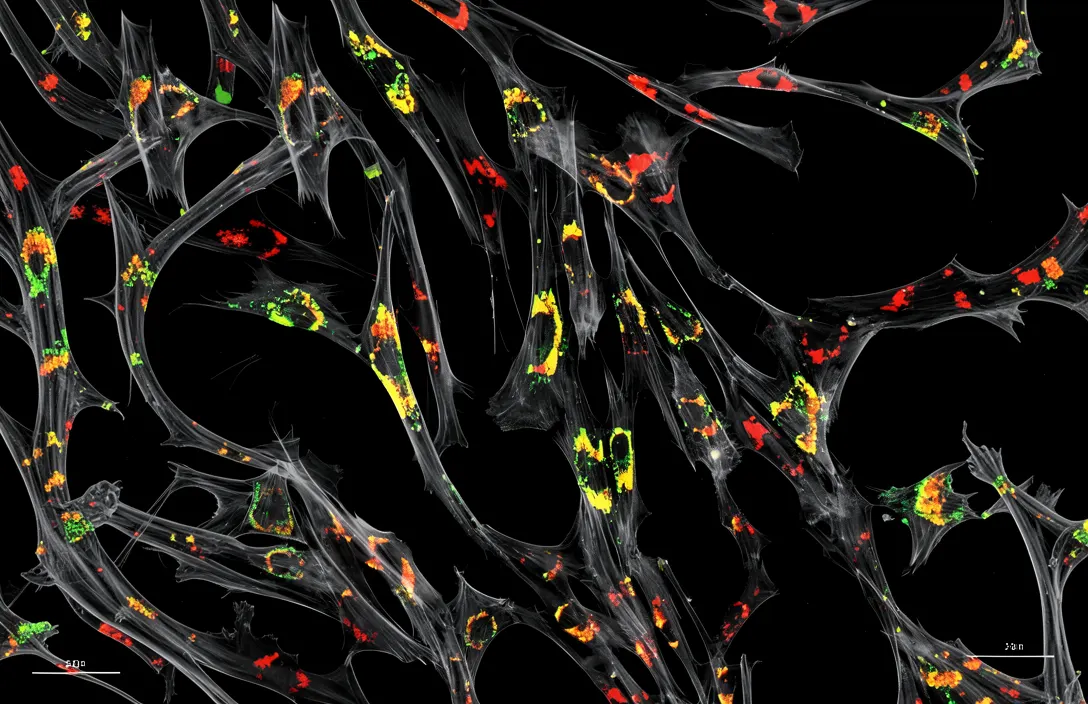
Niemann-Pick disease type C (NPC) is a rare, inherited lysosomal storage disorder affecting an estimated 1 in 150,000 people, in which the body cannot properly process cholesterol and other fats inside cells. Over time, these substances accumulate—particularly in the brain—causing progressive neurological decline, including loss of movement, coordination, and the ability to swallow. Patients whose neurological symptoms begin before age 6 face the most serious form of the disease (source ID 2). [2]
The FDA examined the survival of 36 patients treated with Lembaz across three clinical studies and an expanded access program. All patients had neurological manifestations of NPC that occurred prior to age 6. Patients treated with Lembaz had longer overall survival compared to the matched external control group, with a 55% reduction in the risk of death. The median survival time was 8.5 years for the treated group compared with 4.9 years in the control group (source ID 2). [2]
Lembaz (adrabetadex) injection was approved by the FDA on November 17, 2026, and is specifically indicated for adult and pediatric patients with Niemann-Pick disease type C (NPC) who weigh at least 7 kg (about 15 pounds) and whose neurological symptoms began before age 6. This form of the disease is referred to as infantile-onset NPC and is the most severe manifestation of the condition. The treatment is administered as an intrathecal injection, directly into the spinal canal, by a trained healthcare provider every two weeks. This method of delivery ensures the drug reaches the central nervous system, where the disease causes significant neurological damage. [2]
Advertisement
The approval of Lembaz marks the first time an FDA-approved therapy has been shown to reduce the risk of death in patients with infantile-onset NPC. The FDA evaluated the survival outcomes of 36 patients treated with Lembaz across three clinical studies and an expanded access program. These patients all had neurological symptoms that began before age 6. Compared to a matched external control group, patients on Lembaz experienced a 55% reduction in the risk of death, with a median survival time of 8.5 years versus 4.9 years in the control group. This survival benefit was consistent regardless of whether patients were also receiving miglustat, a drug used off-label for NPC. [2]
Niemann-Pick disease type C (NPC) is a rare, inherited lysosomal storage disorder affecting approximately 1 in 150,000 people. It is characterized by the body's inability to properly process cholesterol and other fats within cells, leading to their accumulation, especially in the brain. This accumulation results in progressive neurological decline, including loss of movement, coordination, and the ability to swallow. Prior to the approval of Lembaz, two other therapies were available for NPC, but neither had been shown to reduce the risk of death. Both of these therapies had age and weight restrictions, limiting their availability for the youngest and most severely affected patients. [2]
The U.S. Food and Drug Administration (FDA) approved Lembaz (adrabetadex) injection on November 17, 2026, as the first treatment shown to help people with a severe form of Niemann-Pick disease type C (NPC) live longer. Niemann-Pick disease type C (NPC) is a rare, inherited lysosomal storage disorder affecting an estimated 1 in 150,000 people, in which the body cannot properly process cholesterol and other fats inside cells. The FDA examined the survival of 36 patients treated with Lembaz across three clinical studies and an expanded access program (source ID: 2). [2]
Lembaz is approved to reduce the risk of death in adult and pediatric patients who weigh at least 7 kg (about 15 pounds) and whose neurological symptoms began before age 6, also known as infantile-onset NPC. Prior to this approval action, two therapies were approved for NPC, but neither has been shown to reduce the risk of death. Both carry age and weight restrictions that limit access for the youngest and most seriously affected patients (source ID: 2). [2]
Advertisement
Patients treated with Lembaz had longer overall survival compared to the matched external control group, with a 55% reduction in the risk of death. The median survival time was 8.5 years for the treated group compared with 4.9 years in the control group. This survival benefit was observed regardless of whether patients were also taking miglustat, a therapy used off-label in NPC (source ID: 2). [2]
Sources
Prepared with AI assistance from the cited sources.
The Cali Reporter newsletter
The stories worth your time.
California, the country, and what comes next. Join our free newsletter for reporting that keeps you informed.
More in Health & Medicine
- Understanding Fascia and the Evidence Behind Fascia Release
Fascia is a connective tissue that plays a structural role in the human body, but evidence supporting specific exercises or tools for 'fascia release' remains limited.
- Antidepressant Effectiveness and Long-Term Use
A new review suggests that some antidepressants may be more effective than others in helping people manage depression symptoms over the long term, according to a study published in The Lancet Psychiatry.
- Experimental Weight-Loss Drug Shows Promise for Knee Osteoarthritis Pain
A new study suggests that an experimental weight-loss drug, retatrutide, may significantly reduce knee pain in people with osteoarthritis and obesity.