Experimental GLS-1 Inhibitor Shows Antitumor Activity in Ovarian Cancer
A Phase I trial of an experimental drug, IACS-6274, combined with standard therapies, demonstrated promising results in patients with advanced platinum-resistant ovarian cancer.

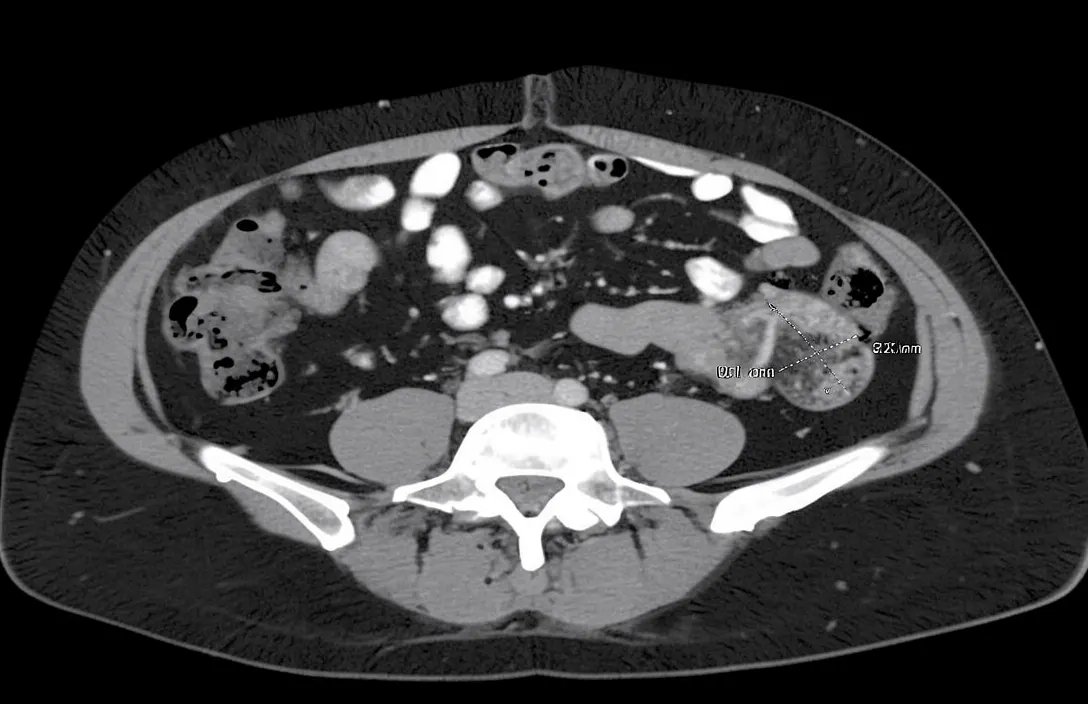

A Phase I trial of the experimental therapy IACS-6274, combined with bevacizumab and paclitaxel chemotherapy, showed promising antitumor activity in patients with advanced platinum-resistant ovarian cancer, according to findings presented by researchers from The University of Texas MD Anderson Cancer Center (source ID 1). The trial included 14 patients, with 13 of them having ovarian cancers that did not respond to platinum-based therapies. All patients' tumors had stopped responding to standard-of-care treatment. Of the 13 patients evaluable for efficacy, nine had confirmed partial responses, with their tumors shrinking by at least 30% (source ID 1). [1]
Eleven of the 13 patients had disease control 12 weeks after the start of the trial. The therapy was well tolerated, with no dose-limiting toxicities. Adverse effects were mostly mild nausea, fatigue, hair loss, anemia, nosebleeds, elevated liver enzymes, neutropenia, and nail and vision disturbances. More severe side effects included higher-grade neutropenia, elevated blood pressure, and anemia, but they were successfully treated (source ID 1). [1]
IACS-6274 works by inhibiting glutaminase-1 (GLS-1), an enzyme that allows cancer cells to access glutamine. This selectivity is a key advantage over previous GLS inhibitors, which caused dose-limiting side effects. Modern genetic testing has also identified a subset of cancers that lack an enzyme called ASNS, making them more likely to benefit from this treatment. Eight of the 14 patients on the trial had ASNS loss, with six of them being partial responders (source ID 1). [1]
Based on these data, 15 additional patients will be treated with the combination on the trial, with further expansion planned with an additional 15 patients if the results continue to be positive. The researchers emphasized the importance of developing a therapy that addresses a need they see in the clinic and the potential for trial data to inform patient selection for this treatment (source ID 1). [1]
Advertisement
The Phase I trial of IACS-6274, combined with bevacizumab and paclitaxel chemotherapy, showed promising antitumor activity in patients with advanced platinum-resistant ovarian cancer. The trial included 14 patients, including 13 patients whose ovarian cancers did not respond to platinum-based therapies. All patients' tumors had stopped responding to standard-of-care treatment. Of the 13 patients evaluable for efficacy, nine had confirmed partial responses, with their tumors shrinking by at least 30% (source ID 1). [1]
Eleven of the 13 patients had disease control 12 weeks after the start of the trial. The therapy was well tolerated, with no dose-limiting toxicities. Adverse effects were mostly mild nausea, fatigue, hair loss, anemia, nosebleeds, elevated liver enzymes, neutropenia, and nail and vision disturbances (source ID 1). [1]
IACS-6274 works by inhibiting glutaminase-1 (GLS-1), an enzyme that allows cancer cells to access glutamine. This selectivity is where many previous attempts at GLS inhibition failed. Additionally, IACS-6274 was designed to be better absorbed than previous GLS inhibitors (source ID 1). [1]
The Phase I trial of IACS-6274, combined with bevacizumab and paclitaxel chemotherapy, showed promising antitumor activity in patients with advanced platinum-resistant ovarian cancer. Eleven of the 13 patients had disease control 12 weeks after the start of the trial. IACS-6274 works by inhibiting glutaminase-1 (GLS-1), an enzyme that allows cancer cells to access glutamine (source ID 1). [1]
Advertisement
The trial included 14 patients, including 13 patients whose ovarian cancers did not respond to platinum-based therapies. All patients' tumors had stopped responding to standard-of-care treatment. Of the 13 patients evaluable for efficacy, nine had confirmed partial responses, with their tumors shrinking by at least 30% (source ID 1). [1]
The therapy was well tolerated, with no dose-limiting toxicities. Adverse effects were mostly mild nausea, fatigue, hair loss, anemia, nosebleeds, elevated liver enzymes, neutropenia and nail and vision disturbances. More severe side effects included higher-grade neutropenia, elevated blood pressure and anemia, but they were successfully treated (source ID 1). [1]
Sources
Prepared with AI assistance from the cited sources.
The Cali Reporter newsletter
The stories worth your time.
California, the country, and what comes next. Join our free newsletter for reporting that keeps you informed.
More in Health & Medicine
- Understanding Fascia and the Evidence Behind Fascia Release
Fascia is a connective tissue that plays a structural role in the human body, but evidence supporting specific exercises or tools for 'fascia release' remains limited.
- Antidepressant Effectiveness and Long-Term Use
A new review suggests that some antidepressants may be more effective than others in helping people manage depression symptoms over the long term, according to a study published in The Lancet Psychiatry.
- Experimental Weight-Loss Drug Shows Promise for Knee Osteoarthritis Pain
A new study suggests that an experimental weight-loss drug, retatrutide, may significantly reduce knee pain in people with osteoarthritis and obesity.