Efforts to Protect the Santa Clara Valley Dudleya
Scientists at Santa Clara University are working to preserve the federally endangered Santa Clara Valley dudleya, a unique wildflower threatened by poaching, climate change, and habitat loss.

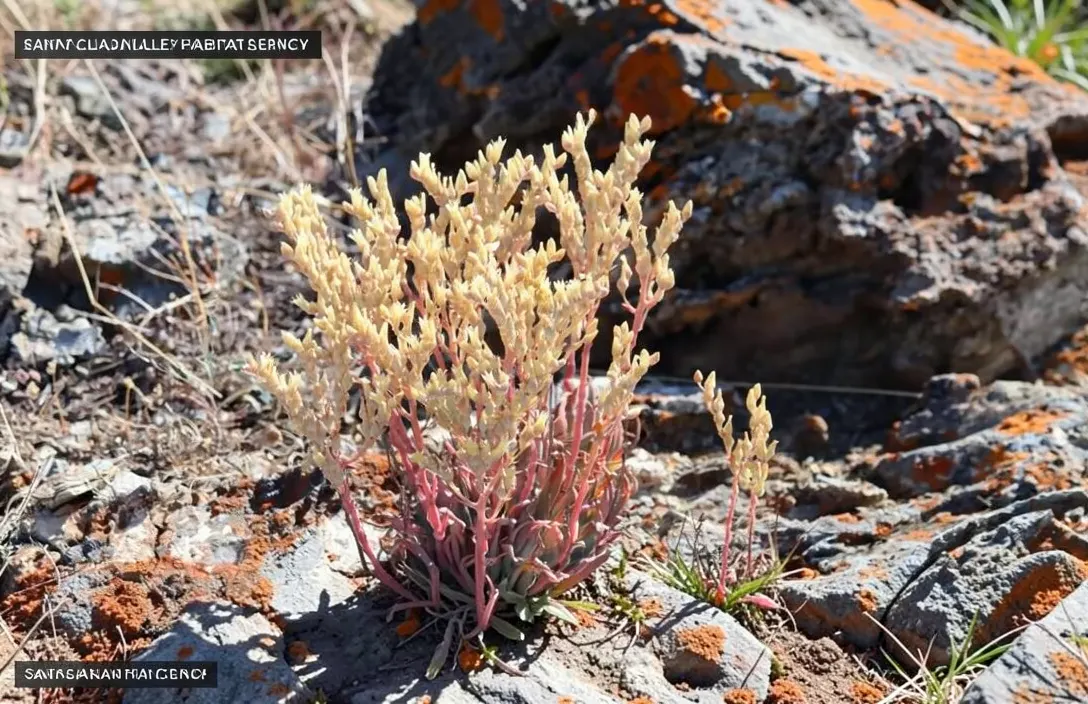
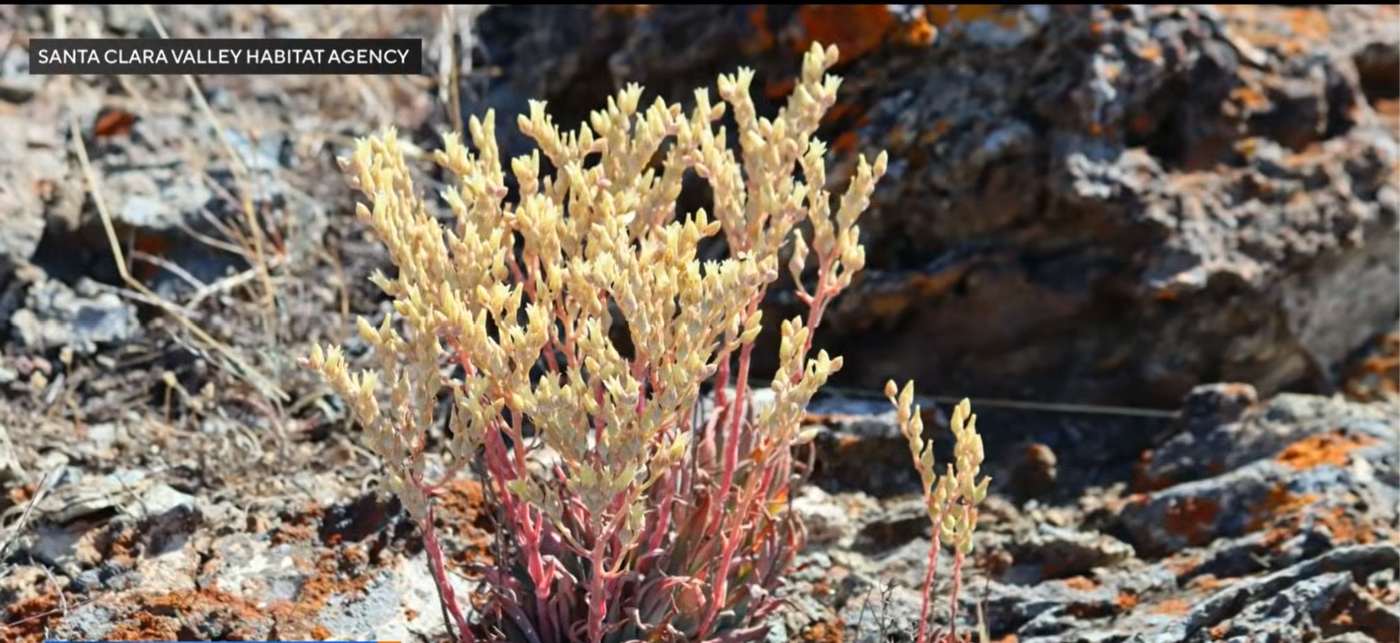
The Santa Clara Valley dudleya (Dudleya setchellii), known locally as the 'liveforever,' is a rare flowering succulent found only in the Coyote Valley Region of Santa Clara County. This plant can appear shriveled for months until it receives rain, after which it rapidly regains its shape and produces pale yellow flowers. Due to its unique characteristics and limited habitat, it is a vital food source for pollinators and is among the most poached wild plants in California (Good News Network). [1]
Dr. Justen Whittall and his students at Santa Clara University are conducting research to protect the species. They collect seeds from wild specimens and analyze their genetic diversity in the laboratory. Using the most genetically diverse samples, they have successfully bred the plant in captivity for eventual release into the wild. Additionally, they monitor wild populations to understand which pollinators depend on the plant's infrequent flowering for sustenance (Good News Network). [1]
To combat poaching, Professor Stephen McCabe at Santa Clara University has developed a market-based strategy. He has hybridized the dudleya into colorful varieties and sold them to plant nurseries. This approach aims to reduce demand for the wild, less colorful specimens by flooding the market with cultivated alternatives (Good News Network). [1]
The Santa Clara Valley dudleya (Dudleya setchellii), known locally as the 'liveforever,' is a rare flowering succulent found only in the Coyote Valley Region of Santa Clara County. This plant is a vital food source for pollinators but is also one of the most poached wild plants in the state. The plant's name was earned from its long, resilient lifespan during which it can seem shriveled and dead for months until it gets even a pinch of rain, at which point it plumps back up and bursts out in pale yellow flowers. The species is federally endangered and threatened by poaching, climate change, and habitat loss (Good News Network). [1]
Advertisement
Dr. Justen Whittall and his students at Santa Clara University are working to protect and procreate this special local plant. They routinely collect the plant’s tiny seeds from the flowers of wild specimens and examine them for levels of genetic diversity in the lab. Using the most diverse specimens, they have successfully bred the plant in captivity for later release into the wild. They also monitor known wild-growing specimens to better understand which pollinators rely on the plant’s infrequent flowering for food (Good News Network). [1]
In addition to these efforts, Professor Stephen McCabe at Santa Clara University has developed a market-based strategy to protect the liveforever. He has hybridized the plant into colorful varieties to sell to plant nurseries, a 'flooding the market' strategy that aims to knock down demand for wild, poached dudleya and their more humble colorations. This approach is intended to prevent the extinction of the species and potentially improve its current status (Good News Network). [1]
To combat the poaching of the Santa Clara Valley dudleya, Professor Stephen McCabe at Santa Clara University has developed a market-based strategy. By hybridizing the plant into colorful varieties, McCabe aims to flood the market with cultivated dudleya, thereby reducing the demand for wild specimens. This approach is intended to lower the incentive for poachers to harvest the plant from its natural habitat in the Coyote Valley Region of Santa Clara County (Good News Network). [1]
The strategy involves selling the hybridized dudleya to plant nurseries, which can then distribute the plant to the public. This method is designed to make the dudleya more accessible in a cultivated form, which could reduce the pressure on wild populations. McCabe's efforts are part of a broader initiative to protect the plant from threats such as climate change and habitat loss (Good News Network). [1]
Advertisement
Alongside McCabe’s market-based approach, Dr. Justen Whittall and his students at Santa Clara University are working to breed the dudleya in captivity and monitor wild populations. Their research includes examining genetic diversity and understanding the plant's role in supporting pollinators. These efforts aim to ensure the long-term survival of the species and potentially improve its current status (Good News Network). [1]
To combat the poaching of the Santa Clara Valley dudleya (Dudleya setchellii), Professor Stephen McCabe at Santa Clara University has developed a market-based strategy. This strategy involves hybridizing the plant into colorful varieties to sell to plant nurseries, which can then distribute the plant to the public. The aim is to flood the market with cultivated versions of the dudleya, thereby reducing the demand for wild, poached specimens (1). [1]
The Santa Clara Valley dudleya, known locally as the 'liveforever,' is a rare flowering succulent found only in the Coyote Valley Region of Santa Clara County. It is federally endangered and faces threats from poaching, climate change, and habitat loss. Scientists at Santa Clara University, including Dr. Justen Whittall and his students, are working to protect and procreate this special local plant by collecting seeds from wild specimens and breeding them in captivity for later release into the wild (1). [1]
In addition to these efforts, Professor Stephen McCabe’s market-based approach is intended to reduce the demand for wild dudleya by making cultivated versions more widely available. This strategy may help prevent the extinction of the species and potentially improve its current status. Dr. Whittall and his team also monitor known wild-growing specimens to better understand which pollinators rely on the plant’s infrequent flowering for food (1). [1]
Advertisement
The Cali Reporter newsletter
The stories worth your time.
California, the country, and what comes next. Join our free newsletter for reporting that keeps you informed.
More in Good News
- Black Mapmaking as a Tool for Reclaiming History and Fighting Injustice
Black mapmakers and artists are using cartography to counteract historical erasure and combat systemic racism, as evidenced by various projects across the United States.
- Observing Animal Behavior in the Intertidal Zone
A biology professor shares insights on how paying attention to natural sounds and movements can reveal animal secrets, particularly in the intertidal zone.
- Grandfather Rescues Lost Toddler in Arizona Desert
An Arizona grandfather played a pivotal role in rescuing a missing toddler during a cold desert night, according to local news reports.