Effort to Circumvent Electoral College Gains Momentum
A national movement to replace the Electoral College with a national popular vote may be on the verge of a major breakthrough following Democratic gains in the 2026 midterms.

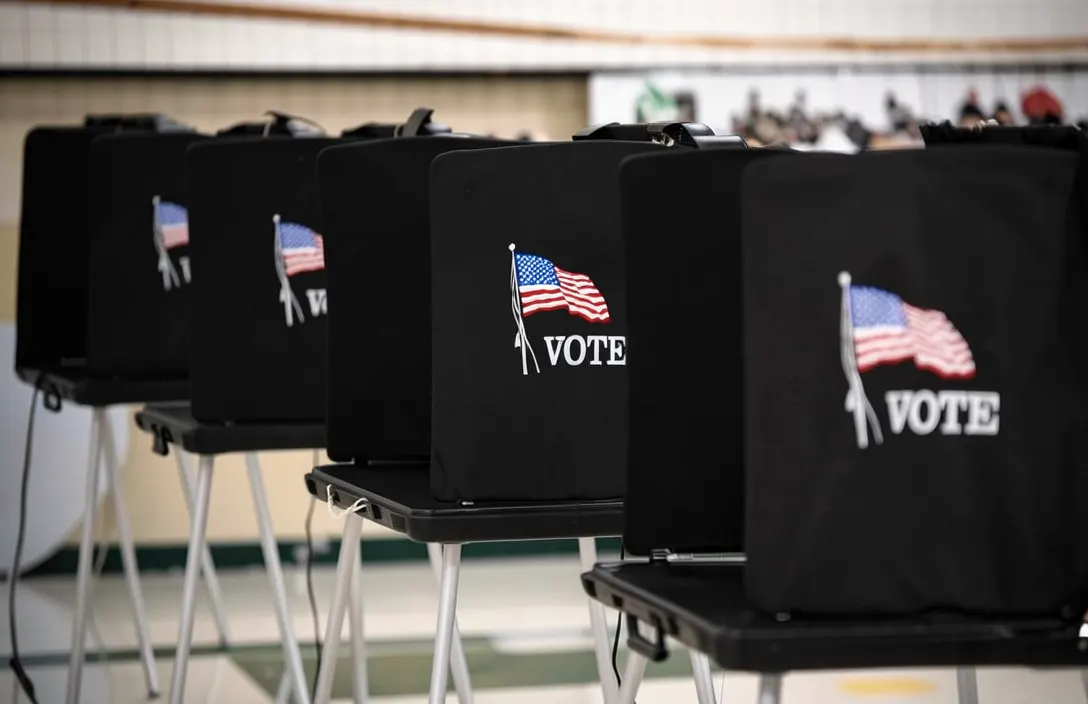

Democrats are poised to control five key states—Arizona, Pennsylvania, Michigan, Nevada, and Wisconsin—that could join the National Popular Vote Interstate Compact, an agreement among states to award their electoral votes to the winner of the nationwide popular vote. If these states, along with the 18 Democratic-led states and the District of Columbia already in the compact, sign on, the effort would surpass the 270 electoral votes needed to activate the agreement, effectively bypassing the Electoral College (1). [1]
Proponents of the compact argue that it would ensure that the president is elected by the majority of voters nationwide, rather than by the winner of individual states. Patrick Rosenstiel, a senior consultant to the National Popular Vote, cited Pew polling showing that 63% of American voters support a national popular vote for president. However, the effort still faces significant political, practical, and legal hurdles (1). [1]
Legal scholars have raised concerns that the compact could violate the Constitution’s compact clause, which requires congressional consent for agreements between states. Norman Miller, a constitutional law professor at Willamette University, warned that the compact could create tensions by forcing states to align their electoral votes with results from other states, potentially undermining the decentralized nature of U.S. elections (1). [1]
Despite these challenges, supporters of the compact argue that it is a feasible alternative to the Electoral College. John Koza, chairman of National Popular Vote, stated that current state and federal laws already allow for the certification of vote counts, and all that is needed is to add them together. However, critics argue that eliminating the Electoral College through a constitutional amendment would be a more appropriate and legally sound approach (1). [1]
Advertisement
Democrats are poised to control five key states—Arizona, Pennsylvania, Michigan, Nevada, and Wisconsin—that could join the National Popular Vote Interstate Compact, an agreement among states to award their electoral votes to the winner of the nationwide popular vote. Proponents of the compact argue that it would ensure that the president is elected by the majority of voters nationwide, rather than by the winner of individual states. If these five states join the 18 other Democratic-led states already in the compact, the effort will surpass the needed 270 electoral votes required to go into effect, making an end run around the Electoral College (1). [1]
The five states that will soon be completely in the hands of Democrats—Arizona, Pennsylvania, Michigan, Nevada, and Wisconsin—add up to 61 electoral votes. Combinations of at least four of those states would put the compact over 270. So far, governors and incoming governors in Pennsylvania and Nevada have said they are open to signing legislation that would bring their states into the interstate agreement. However, other governors have yet to publicly weigh in (1). [1]
One of the looming questions over these efforts is whether these states—presidential battlegrounds—would be willing to give up their immense influence in elections ahead of the 2028 presidential contests. Leaders in each state will also have to weigh whether they want to be the tipping point in moving forward a movement that could upend how the U.S. decides presidential winners. Already, some Democrats are more reticent on the issue than they were before. For example, Democratic Arizona Gov. Katie Hobbs, who had previously supported the measure, has not commented recently on whether the state's new Democratic majorities should sign on (1). [1]
Democrats are poised to control five key states—Arizona, Pennsylvania, Michigan, Nevada, and Wisconsin—that could join the National Popular Vote Interstate Compact, an agreement among states to award their electoral votes to the winner of the nationwide popular vote. If these states join the compact, which currently includes 18 Democratic-led states and the District of Columbia, the effort will have surpassed the needed 270 electoral votes required to go into effect, making an end run around the Electoral College (KPBS: San Diego). Next year, Democrats will fully control these five states, which add up to 61 electoral votes. Combinations of at least four of those states would put the compact over 270 electoral votes, which is the threshold needed to activate the agreement (KPBS: San Diego). [1]
Advertisement
So far, governors and incoming governors in Pennsylvania and Nevada have said they are open to signing legislation that would bring their states into the interstate agreement. However, other governors have yet to publicly weigh in. One of the looming questions over these efforts is whether these states—presidential battlegrounds—would be willing to give up their immense influence in elections ahead of the 2028 presidential contests (KPBS: San Diego). [1]
Some legal scholars have raised concerns that the compact could violate the Constitution’s compact clause, which requires congressional consent for agreements between states. Norman Miller, a constitutional law professor at Willamette University, said that beyond the legal hurdles, he sees a range of practical issues with the compact. He said forcing electors from one state to vote according to the tallies in another state could create some tension (KPBS: San Diego). [1]
Sources
Prepared with AI assistance from the cited sources.
The Cali Reporter newsletter
The stories worth your time.
California, the country, and what comes next. Join our free newsletter for reporting that keeps you informed.
More in San Diego
- Community Condemns ICE Enforcement Near Encinitas School
Residents and school officials in Encinitas are expressing deep concern over an ICE arrest near a local elementary school, highlighting the emotional and psychological impact on families and children.
- San Diego Lawmakers Push Immigration Enforcement Reforms
San Diego's Congressional delegation is advocating for changes to immigration enforcement practices following recent arrests that have raised concerns about the impact on families.
- Tide Pool Etiquette and Environmental Impact During King Tides
As king tides bring more visitors to San Diego's coastline, concerns grow over the impact of human activity on tide pool ecosystems. Educators and conservationists are urging visitors to follow responsible practices to…