Edward Said: Between Worlds Documents Scholar's Legacy
A new documentary highlights the intellectual legacy of Edward Said, emphasizing his contributions to Palestinian representation and resistance to oppression.

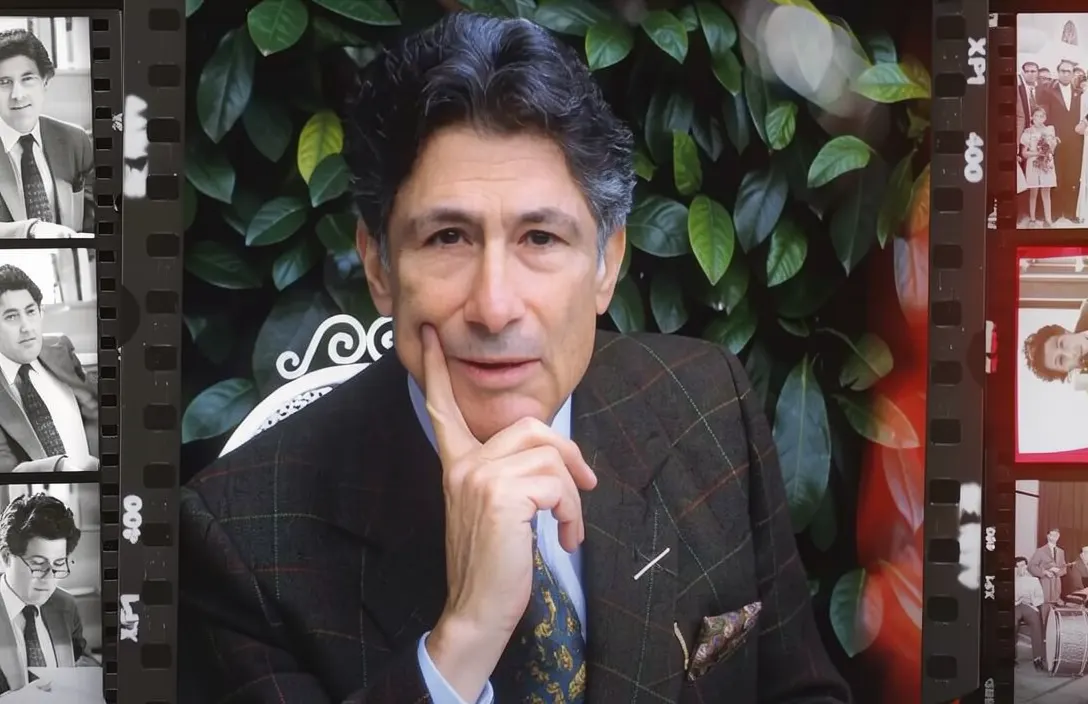
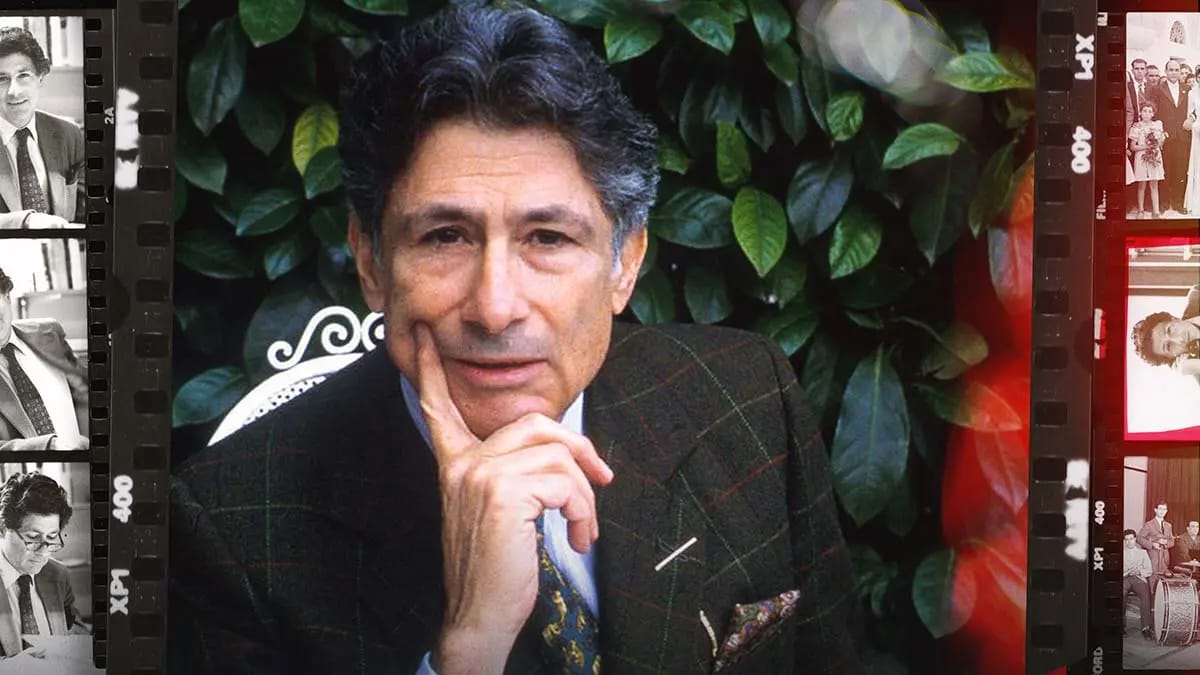
Maiken Baird’s new documentary, Edward Said: Between Worlds (2026), joyfully demonstrates how Edward Said was the exception to the semi-official ban on Palestinians representing themselves (Hyperallergic). The film offers a rough chronology of Said’s life, celebrating his contributions and lasting influence in numerous domains, from literary theory to American foreign policy. As the author of the foundational text Orientalism, Said was one of the most influential intellectuals of the 20th century, and he took the vocation extremely seriously, holding the yes-men intellectuals of the powerful in contempt (Hyperallergic). [1]
The documentary includes moments from early home movies taken by Wadie Said, Edward Said’s father. The elder Said purchased a movie camera in 1938 and made “incredibly boring” films, according to the younger. By including snippets of these early scenes, Baird does something more than show us a young and gangly Edward Said. The home movies not only invite viewers into the private life of a Palestinian family in Palestine. They also become an assertion of presence against an ideology which demands Palestinian absence (Hyperallergic). [1]
In the early 1970s, while living in Beirut, Said immerses himself in the Arabic language and literature and associates with some of the preeminent Palestinian intellectuals of the era. The film’s tempo picks up as Said’s star begins to shine more brightly. We watch him being asked borderline racist questions in multiple TV interviews, see him with Palestine Liberation Organization (PLO) leader Yasser Arafat, and despair with him when the Israeli invasion of Lebanon leads to the expulsion of the PLO from Lebanon in 1982 (Hyperallergic). [1]
Baird’s film successfully shows how he went from being a fierce critic of American and Israeli policy to a fierce critic of American, Israeli, and Palestinian leadership. I knew Said at this time in his life, and what the film doesn’t show is the profound sense of isolation he felt while the entire global liberal establishment was telling us that “the conflict,” as it’s euphemistically called, was about to be solved. Needless to say, Said was right (Hyperallergic). [1]
Advertisement
Maiken Baird’s new documentary, Edward Said: Between Worlds (2026), joyfully demonstrates how Edward Said was the exception to the semi-official ban on Palestinians representing themselves (Hyperallergic). The film includes moments from early home movies taken by Wadie Said, Edward Said’s father. These home movies not only invite viewers into the private life of a Palestinian family in Palestine but also become an assertion of presence against an ideology which demands Palestinian absence. The film shows how Said’s early life was marked by a lack of political engagement, as he was expelled from school for being a 'troublemaker' and later sent to a strict boarding school in Massachusetts (Hyperallergic). [1]
In the early 1970s, while living in Beirut, Said immerses himself in the Arabic language and literature and associates with some of the preeminent Palestinian intellectuals of the era (Hyperallergic). The film’s tempo picks up as Said’s star begins to shine more brightly. We watch him being asked borderline racist questions in multiple TV interviews, see him with Palestine Liberation Organization (PLO) leader Yasser Arafat, and despair with him when the Israeli invasion of Lebanon leads to the expulsion of the PLO from Lebanon in 1982 (Hyperallergic). [1]
Baird’s film successfully shows how he went from being a fierce critic of American and Israeli policy to a fierce critic of American, Israeli, and Palestinian leadership (Hyperallergic). Said was the most prominent dissenting Palestinian voice to the 1993 Oslo Accords. He believed the PLO had sold out the Palestinian national movement, only to become 'Israel’s enforcer' of the occupation. The film also highlights Said’s belief that an intellectual must always oppose domination while cultivating resistance to oppression, as he wrote in his essay 'Secular Criticism': 'It is not practicing criticism to validate the status quo' (Hyperallergic). [1]
Maiken Baird’s new documentary, Edward Said: Between Worlds (2026), joyfully demonstrates how Edward Said was the exception to the semi-official ban on Palestinians representing themselves (Hyperallergic). The film includes moments from early home movies taken by Wadie Said, Edward Said’s father. These early films, though described as 'incredibly boring' by Edward Said himself, provide a glimpse into the private life of a Palestinian family in Palestine, asserting their presence against an ideology which demands Palestinian absence (Hyperallergic). [1]
Advertisement
In the early 1970s, while living in Beirut, Said immerses himself in the Arabic language and literature and associates with some of the preeminent Palestinian intellectuals of the era (Hyperallergic). The film’s tempo picks up as Said’s star begins to shine more brightly. We watch him being asked borderline racist questions in multiple TV interviews, see him with Palestine Liberation Organization (PLO) leader Yasser Arafat, and despair with him when the Israeli invasion of Lebanon leads to the expulsion of the PLO from Lebanon in 1982 (Hyperallergic). [1]
Baird’s film successfully shows how he went from being a fierce critic of American and Israeli policy to a fierce critic of American, Israeli, and Palestinian leadership (Hyperallergic). Said was the most prominent dissenting Palestinian voice to the 1993 Oslo Accords. He believed the PLO had sold out the Palestinian national movement, only to become 'Israel’s enforcer' of the occupation (Hyperallergic). [1]
Maiken Baird’s new documentary, Edward Said: Between Worlds (2026), joyfully demonstrates how Edward Said was the exception to the semi-official ban on Palestinians representing themselves (Hyperallergic). The film includes moments from early home movies taken by Wadie Said, Edward Said’s father. These home movies not only invite viewers into the private life of a Palestinian family in Palestine but also become an assertion of presence against an ideology which demands Palestinian absence (Hyperallergic). [1]
In the early 1970s, while living in Beirut, Said immerses himself in the Arabic language and literature and associates with some of the preeminent Palestinian intellectuals of the era (Hyperallergic). The film’s tempo picks up as Said’s star begins to shine more brightly. We watch him being asked borderline racist questions in multiple TV interviews, see him with Palestine Liberation Organization (PLO) leader Yasser Arafat, and despair with him when the Israeli invasion of Lebanon leads to the expulsion of the PLO from Lebanon in 1982 (Hyperallergic). [1]
Advertisement
Baird’s film successfully shows how he went from being a fierce critic of American and Israeli policy to a fierce critic of American, Israeli, and Palestinian leadership (Hyperallergic). Said was the most prominent dissenting Palestinian voice to the 1993 Oslo Accords. He believed the PLO had sold out the Palestinian national movement, only to become “Israel’s enforcer” of the occupation (Hyperallergic). [1]
Sources
Prepared with AI assistance from the cited sources.
The Cali Reporter newsletter
The stories worth your time.
California, the country, and what comes next. Join our free newsletter for reporting that keeps you informed.
More in Culture
- Trump Meme Recasts Nvidia CEO as Butler Incident Survivor
President Donald Trump shared a meme reimagining Nvidia CEO Jensen Huang as the hero of his own assassination attempt in Butler, Pennsylvania, according to Hyperallergic.
- Venice Biennale Concludes with High Attendance Despite Challenges
The 61st Venice Biennale concluded with a record number of visitors despite challenges including political disputes and the curator's sudden passing.
- Artist Residencies as a Strategy for Navigating Precarity
Artists are increasingly relying on residencies as a means of coping with economic instability, commercial pressures, and the demands of sustained artistic production.