Defibrillator Drones May Arrive Before Ambulances in Cardiac Arrest Cases
New research suggests that drones carrying defibrillators could reach cardiac arrest victims before ambulances in hundreds of cases each year, particularly in Scotland.

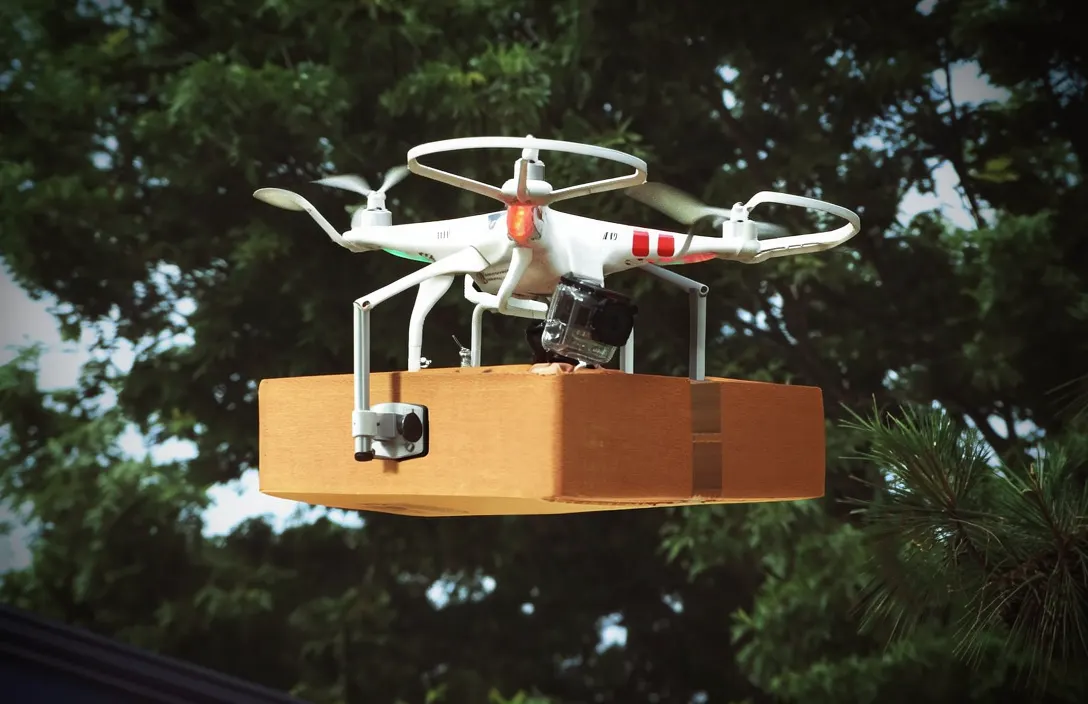

Drones carrying defibrillators could arrive ahead of ambulances at hundreds of cardiac arrest incidents each year, according to new research published in the journal Reliability Engineering & System Safety. The study, led by the University of Strathclyde, modeled networks of drones capable of delivering automated external defibrillators (AEDs) to people experiencing out-of-hospital cardiac arrest. In NHS Greater Glasgow and Clyde, the modeled drone network could make about 490 deliveries a year in which a drone would arrive at least one minute before an ambulance (Medical Xpress, 2026). [1]
The research used real Scottish cardiac arrest and ambulance response data, showing that in Greater Glasgow and Clyde, 24% of cardiac arrest incidents received a response within six minutes by ambulance. The modeled drone network could deliver a defibrillator within that time in 86% of cases, with an average estimated drone response time of 4.01 minutes. In NHS Grampian, the equivalent figures were 32% for recorded ambulance responses and 77% for modeled drone deliveries, with an average estimated drone response time of 4.33 minutes (Medical Xpress, 2026). [1]
The study emphasized that earlier delivery of defibrillators would not necessarily translate into earlier treatment, which depends on factors such as the availability and ability of bystanders to use the equipment. The research team developed a new method for identifying where defibrillator-carrying drones could be based to provide the most reliable coverage, accounting for uncertainties such as variations in ambulance response times, Scottish wind conditions, and drone performance (Medical Xpress, 2026). [1]
Professor Edoardo Patelli, head of the Center for Intelligent Infrastructure at Strathclyde, noted that a carefully designed drone network could considerably increase the number of cardiac arrest incidents reached within six minutes, both in densely populated areas and in more rural regions. The study also highlighted that drones would complement, not replace, ambulances or paramedics, by delivering defibrillators rapidly during the critical minutes before an ambulance arrives (Medical Xpress, 2026). [1]
Advertisement
A study published in the journal Reliability Engineering & System Safety found that drones carrying automated external defibrillators (AEDs) could arrive at cardiac arrest incidents ahead of ambulances in hundreds of cases each year in Scotland. The research, led by the University of Strathclyde, modeled drone networks capable of delivering AEDs rapidly to people experiencing out-of-hospital cardiac arrests. In NHS Greater Glasgow and Clyde, the modeled drone network could deliver a defibrillator within six minutes in 86% of cases, compared to 24% for recorded ambulance responses (source ID: 1). [1]
The study also found that in NHS Grampian, which includes large rural areas, drones could arrive at least one minute before ambulances in around 195 cases annually. The modeled drone network could deliver a defibrillator within six minutes in 77% of cases, compared to 32% for recorded ambulance responses (source ID: 1). The researchers emphasized that earlier delivery of defibrillators would not necessarily translate into earlier treatment, which depends on factors such as the availability and ability of bystanders to use the equipment (source ID: 1). [1]
The research developed a new method for identifying optimal locations for drone bases, taking into account uncertainties such as variations in ambulance response times, Scottish wind conditions, and drone battery consumption. The approach prioritized areas with limited existing emergency medical service coverage while identifying locations from which drones would have the greatest probability of reaching patients rapidly (source ID: 1). [1]
A study published in the journal Reliability Engineering & System Safety indicates that drones carrying automated external defibrillators (AEDs) could arrive at cardiac arrest incidents ahead of ambulances in hundreds of cases each year in Scotland. The research, led by the University of Strathclyde, used real Scottish cardiac arrest and ambulance response data to model networks of drones capable of rapidly delivering AEDs to people experiencing an out-of-hospital cardiac arrest. In NHS Greater Glasgow and Clyde, the modeled drone network could make about 490 deliveries a year in which a drone would arrive at least one minute before an ambulance (Source ID: 1). [1]
Advertisement
The study also found that in NHS Grampian, which includes large rural areas, drones could arrive at least one minute before ambulances in around 195 cases annually. The modeling showed that drones could substantially increase the proportion of cardiac arrest incidents where an AED could be delivered within six minutes, with the modeled drone network delivering a defibrillator within that time in 86% of cases in Greater Glasgow and Clyde (Source ID: 1). [1]
The researchers emphasized that earlier delivery of defibrillators would not necessarily translate into earlier treatment, which depends on factors such as the availability and ability of bystanders to use the equipment. The modeling incorporated uncertainties such as variations in ambulance response times, Scottish wind conditions, and drone battery consumption to identify optimal locations for drone bases (Source ID: 1). [1]
A study published in the journal Reliability Engineering & System Safety found that drones carrying automated external defibrillators (AEDs) could arrive at cardiac arrest incidents ahead of ambulances in hundreds of cases each year in Scotland. The research used real Scottish cardiac arrest and ambulance response data, showing that in Greater Glasgow and Clyde, a modeled drone network could make about 490 deliveries a year in which a drone would arrive at least one minute before an ambulance (source ID: 1). [1]
In NHS Grampian, which includes large rural areas where emergency response can be more challenging, drones were estimated to arrive at least one minute ahead of an ambulance in around 195 cases a year. The modeling also indicated that drones could substantially increase the proportion of cardiac arrest incidents where an AED could be delivered within six minutes (source ID: 1). [1]
Advertisement
In Greater Glasgow and Clyde, recorded ambulance data showed that 24% of cardiac arrest incidents received a response within six minutes. The modeled drone network could deliver a defibrillator within that time in 86% of cases, with an average estimated drone response time of 4.01 minutes. In Grampian, the equivalent figures were 32% for recorded ambulance responses and 77% for modeled drone deliveries, with an average estimated drone response time of 4.33 minutes (source ID: 1). [1]
Sources
Prepared with AI assistance from the cited sources.
The Cali Reporter newsletter
The stories worth your time.
California, the country, and what comes next. Join our free newsletter for reporting that keeps you informed.
More in Health & Medicine
- Understanding Fascia and the Evidence Behind Fascia Release
Fascia is a connective tissue that plays a structural role in the human body, but evidence supporting specific exercises or tools for 'fascia release' remains limited.
- Antidepressant Effectiveness and Long-Term Use
A new review suggests that some antidepressants may be more effective than others in helping people manage depression symptoms over the long term, according to a study published in The Lancet Psychiatry.
- Experimental Weight-Loss Drug Shows Promise for Knee Osteoarthritis Pain
A new study suggests that an experimental weight-loss drug, retatrutide, may significantly reduce knee pain in people with osteoarthritis and obesity.